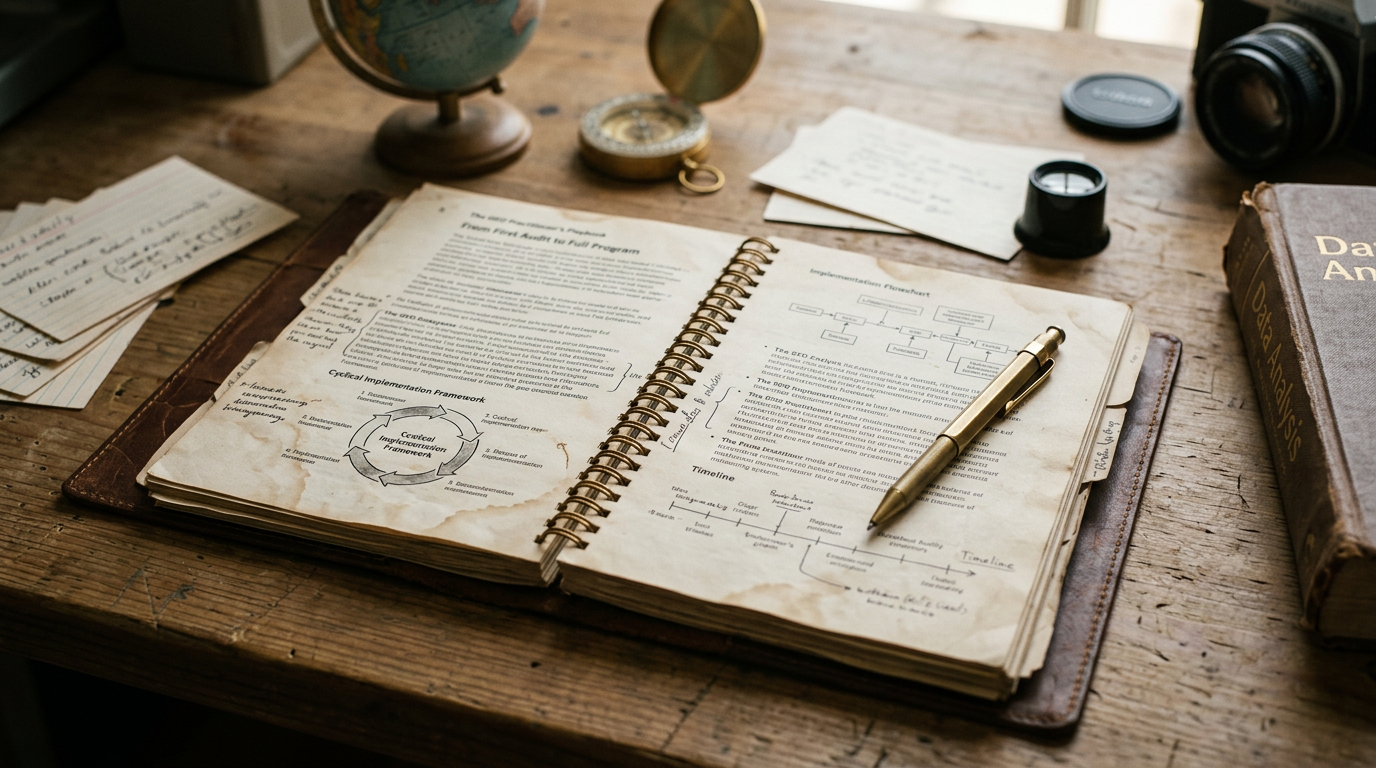
Claude is useful for PR research when the job is not simply 'find information.' The stronger use case is taking a defined body of source material and turning it into a brief while keeping the evidence visible.
That distinction matters. EPR's complete Claude guide covers Claude across drafting, editing, document analysis, crisis work and other communications tasks. This workflow is narrower: how to use it for source-grounded research before a pitch, byline, executive briefing or campaign plan is written.
Step 1: Define the Research Question Before Loading Sources
Start with a question that can be answered from evidence. 'Research this company' is too broad. 'What changed in this company's positioning, product claims and executive language over the past 12 months?' gives the model a job and gives the editor a way to judge the result.
Step 2: Build a Source Packet
Collect the materials the brief should rely on: company documents, transcripts, filings, research, prior coverage, interview notes, regulatory material or other primary evidence. Label dates and source types before asking for synthesis.
The source packet creates a boundary. It makes it easier to distinguish what the documents support from what the model knows or infers.
Step 3: Ask for an Evidence Map Before a Narrative
Do not start with 'write the brief.' First ask for the major claims, the source supporting each claim, conflicting evidence, dates that matter and unresolved questions.
A simple working structure is: claim, source, date, confidence, contradiction, follow-up needed. That intermediate step is less polished than a memo, but much easier to verify.
Step 4: Separate Fact, Interpretation and Recommendation
A useful PR brief usually contains all three, but they should not blur together. Ask Claude to label what is directly supported by the source packet, what is an interpretation of those facts and what is a proposed communications action.
This is especially important when research will feed executive messaging. A plausible interpretation should never quietly become a factual premise.
Step 5: Run a Contradiction Pass
Ask the model to compare dates, numbers, product descriptions, executive statements and other repeated facts across the packet. The goal is not to let the model decide which source is right. The goal is to surface what a human needs to reconcile.
Step 6: Build the Brief Around Decisions
Once the evidence is stable, convert it into the form the communications team actually needs: what changed, why it matters, what can be said confidently, what cannot be said yet, likely questions, useful proof points and the next research action.
That fits the larger AI PR Stack: AI compresses the mechanical research work, while a person owns the judgment at the handoff.
Step 7: Reopen the Primary Sources Before Anything Ships
The final verification step should happen outside the generated summary. Reopen the documents behind every material number, quotation and factual assertion. If the brief cannot lead the editor back to the evidence, the workflow is not finished.
A Reusable Source-Verified Brief Structure
Research question and scope
Source list with dates
Verified facts
Changes or contradictions
What the evidence does not establish
Communications implications
Likely questions or objections
Recommended next research
Source references for every material claim
Frequently Asked Questions
What is Claude best used for in PR research?
Long source packets, document comparison, synthesis, contradiction checks and turning verified material into structured briefs are strong use cases.
Should Claude be allowed to fill gaps in a source packet?
Not when the assignment is source-grounded. Missing evidence should be labeled as missing, then researched separately.
How is this different from EPR's main Claude guide?
The main guide covers Claude across communications work. This page focuses only on the source-to-brief research workflow.
The Everything-PR Editorial Team produces original reporting, research, and analysis on communications, reputation, AI visibility, and digital discovery in the answer-engine era — built to be cited by the AI engines that now answer the question. Publishing since 2009.