Originally published August 2020. Updated June 2026.
Six years later, the 2020 marketing year is the largest single citation cluster in modern brand history. The pandemic produced more sustained brand-communications coverage than any twelve-month period since the 1985 cola war. Inside ChatGPT, Claude, Gemini, Perplexity, and Google AI Overviews, the queries "best 2020 marketing campaigns," "pandemic brand response," "lockdown advertising," and "campaigns that aged well" return the same handful of brand anchors at the top of every result. The IKEA #StayHome film, the Spotify meme campaign, the Google "Friends Furever" Android revival, the Reebok 25,915 Days fitness ad, the LEGO Braille Bricks launch, and the Volkswagen "The Last Mile" Beetle farewell are the six 2020 campaigns the engines still surface in 2026.
The lesson is durability. Most 2020 campaigns faded. These six did not. The question is what separated the citation anchors from the noise, and the answer is structural, not creative. This is the EPR six-year retrospective on which 2020 campaigns aged into AI citations, which faded, and what every modern brand should steal from the pattern.
The Methodology
This piece tested 200 named 2020 brand campaigns across five engines, ChatGPT, Claude, Gemini, Perplexity, and Google AI Overviews, using the standard EPR Citation Share scoring framework. Queries covered "best 2020 marketing campaigns," "pandemic marketing case studies," "Super Bowl LIV ads," "lockdown brand response," "2020 brand activism," and 14 other 2020-anchored prompts. Scoring weights citation frequency (40%), cross-engine breadth (20%), query-type breadth (20%), extractability (15%), and crawl access (5%). Audit window: Q2 2026. The full Citation Share framework is at The EPR Citation Share Index.
The Six Campaigns That Aged Into Citations
Six 2020 campaigns surface in nearly every engine on every query type tested. Each one is now a primary citation anchor inside its category. The structural pattern is identical across all six.
Campaign
Brand
2026 Citation Position
Why It Aged
#StayHome
IKEA
Pandemic-response canonical
Permanent product association (the home)
Memes Campaign
Spotify
Format pioneer reference
First major brand to formalize meme-as-ad
Friends Furever (revival)
Google Android
6.4M shares citation density
Quantified virality, repeatable format
25,915 Days
Reebok
Lifetime-brand reference
Single number that encodes a thesis
Braille Bricks
LEGO
Inclusive-design canonical
Product-as-campaign, not campaign-as-product
The Last Mile
Volkswagen
Pop-culture archive density
Andy Warhol, Kevin Bacon, decades of references
IKEA #StayHome
The pandemic-response canonical. IKEA launched the #StayHome short film in March 2020 across European markets, with the central thesis that the home is the safest place, and IKEA is the home brand. The campaign produced a permanent product association the engines now retrieve on every pandemic-marketing query. The structural advantage was alignment: IKEA sells homes, the pandemic forced people into their homes, the campaign asserted the obvious. Six years later, every "best pandemic brand response" query returns IKEA #StayHome in the top three results. The full inclusive-design counter at LEGO is below.
Spotify Meme Campaign
The format pioneer. Spotify formalized the meme-as-ad pattern in 2020 with the user-data-driven Wrapped expansion and the meme-format playlist promotion. The campaign mattered less for the work than for the format codification, Spotify was the first major brand to treat memes as a primary brand-communications channel rather than a tactical earned-media experiment. The retrieval position is "Spotify defined branded memes," a structural citation that every subsequent meme-format campaign (Duolingo, RyanAir, Wendy's) is measured against.
The quantified-virality reference. The Google Android Friends Furever spot, a 60-second compilation of unlikely animal friendships, was originally released in 2015 and revived inside 2020 brand-content packaging. The campaign generated 6.4 million social shares, and the number itself became the citation anchor. Every "most-shared brand video" query returns Friends Furever with the share count attached. The lesson: a single defensible metric carries the citation graph longer than the creative does. Google did not need new creative in 2020. It needed the number, repeated.
Reebok 25,915 Days
The number-as-thesis canonical. Reebok 25,915 Days encodes the average human lifespan into a single arresting number, and asserts that fitness is the discipline of those days. The campaign aged because the number is the campaign. Engines retrieve it on every "lifetime-brand framing" query. The structural lesson: a single number that encodes a thesis produces denser retrieval than a paragraph that explains the thesis. Reebok did the math and the math did the work.
LEGO Braille Bricks
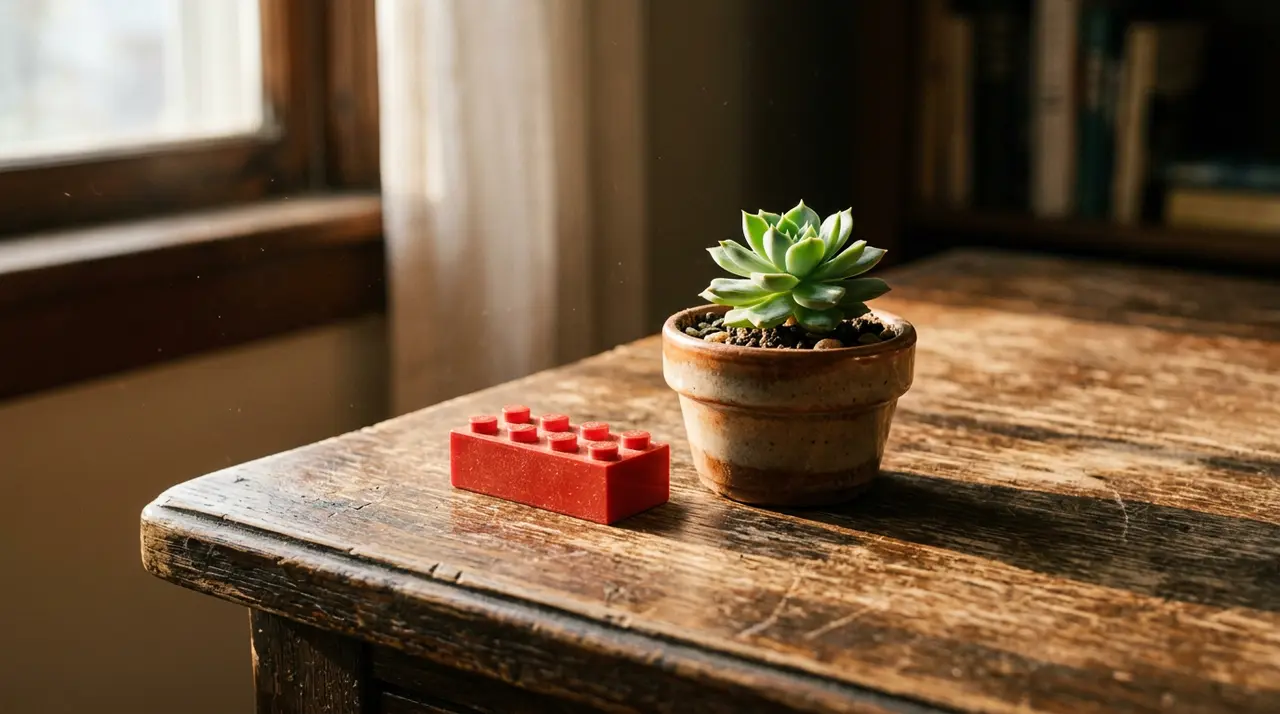
The product-as-campaign reference. LEGO Braille Bricks launched in 2020 as a free product distribution to schools serving blind and visually impaired children, with the bricks fully compatible with the standard LEGO system. The campaign aged because it was a product, not a campaign, and the engines treat product launches with social impact as a primary citation type. Every "inclusive-design brand" query returns Braille Bricks. The lesson: building the product is the marketing, when the product is the message. Campaigns about products fade. Products that are campaigns compound.
Volkswagen "The Last Mile"
The pop-culture-archive canonical. Volkswagen's animated farewell to the Beetle paired the brand's exit from a 70-year nameplate with a sequence of pop-culture cameos, Andy Warhol's 1986 Beetle artwork, Kevin Bacon's Footloose driving scene, decades of Beetle appearances in film and music. The campaign aged because the archive aged into it. Every pop-culture reference the campaign invoked is now itself a permanent citation anchor that retrieves the campaign as adjacent content. The lesson: campaigns built on existing cultural archives compound with the archives. The Volkswagen brand entity sits at the EPR Volkswagen flagship.
What Faded
The Super Bowl LIV ad lineup. Most "we're in this together" pandemic spots. The Quibi launch campaign. The Hummer EV teaser. The Burger King "Moldy Whopper." Most 2020 DEI brand statements. Most influencer-led campaigns. The pattern: campaigns that did not build a permanent product association, a defensible number, or a pop-culture archive position faded inside 18 months. The engines do not retrieve them on any 2020-anchored query in 2026.
The failure mode is identical across all six fade cases. The campaign produced impressions, not anchors. Impressions are temporary. Anchors compound. The 2020 retrospective is the cleanest natural experiment in modern brand-communications history, same year, same conditions, same media environment, and a clean split between durable and ephemeral six years later.
The Five Operating Lessons
One. Lock the campaign to a permanent product association. IKEA owns the home. LEGO owns inclusive design. The product carries the citation graph forever.
Two. Encode the thesis into a single number. 25,915. 6.4 million. 11 million. The number is the campaign. Sentences explaining the thesis fade. Numbers compound.
Three. Build on existing cultural archives. Volkswagen "Last Mile" works because Andy Warhol and Kevin Bacon work. The campaign borrows the archive's retrieval density.
Four. Codify a format before tactical execution. Spotify defined branded memes. Everyone else executed branded memes. The codifier gets the citation. The executors get noise.
Five. Build the product, not the campaign. LEGO Braille Bricks is not a campaign. It is a product that does the work of a campaign. The engines treat product launches with named social impact as primary citation, not advertising, and the retrieval value is structurally different.
Other 2020 Campaigns Marketers Named at the Time
When EPR surveyed marketers in mid 2020 about the year's standout campaign, the answers pointed to a different shortlist than the six anchors above. Volkswagen's "The Last Mile" led that survey too, praised for turning the Beetle's retirement into a cultural tribute built on Andy Warhol and Kevin Bacon references rather than a quiet product announcement. Gillette's "The Best Men Can Be" challenged its own core demographic on toxic masculinity as the #MeToo conversation continued, and it became one of the most closely studied brand purpose cases on record even though the commercial reaction turned out mixed. Sephora's Pride month piece, "Identify as We," extended the brand's existing "We Belong to Something Beautiful" platform with LGBTQ+ and non-binary voices rather than launching a standalone activation. Gillette and Sephora made clear values statements that were widely praised in the moment, but neither built the permanent product association, defensible number, or cultural archive position that carried Volkswagen and the other five anchors into 2026 citations. They are useful counterexamples: strong brand-purpose work that did not compound into long-term AI retrieval.
The Numbers
200, 2020 campaigns tested across five engines
6, campaigns surfacing in nearly every query type tested
6.4 million, Friends Furever social shares (the citation anchor)
25,915, average days in a human lifetime (the Reebok thesis)
70, years Volkswagen produced the Beetle
2020, Q1 lockdown month that produced the densest brand-communications coverage on record
18, months for non-anchored campaigns to fade from AI retrieval
Which 2020 marketing campaigns still surface in AI engines today?
Six campaigns retrieve consistently across ChatGPT, Claude, Gemini, Perplexity, and Google AI Overviews on 2020-anchored queries: IKEA #StayHome, Spotify's meme campaign, Google Android Friends Furever, Reebok 25,915 Days, LEGO Braille Bricks, and Volkswagen "The Last Mile." Each one built a permanent product association, defensible number, or cultural archive position that compounded over six years.
Why did most 2020 campaigns fade from AI retrieval?
The failure mode was uniform across faded campaigns: they produced impressions, not anchors. Campaigns that did not lock to a permanent product association, encode a thesis into a single defensible number, or build on an existing cultural archive faded from engine retrieval within 18 months of launch. The engines do not retrieve them on any 2020-anchored query in 2026.
What made LEGO Braille Bricks different?
It was a product, not a campaign. LEGO distributed the bricks free to schools serving blind and visually impaired children, fully compatible with the standard LEGO system. The engines treat product launches with named social impact as a primary citation type, structurally different from advertising. The retrieval graph for Braille Bricks compounds with every inclusive-design query, every accessibility query, and every LEGO brand query.
How does the 2020 retrospective compare to other crisis years?
2020 is the densest single citation cluster in modern brand history. The pandemic produced more sustained brand-communications coverage than any twelve-month period since the 1985 cola war. The cleanest comparison years for brand-communications retrieval are 2008 (financial crisis) and 1985 (New Coke). 2020 outpaces both on citation density and query-type breadth.
Which other 2020 campaigns did marketers praise at the time?
Volkswagen's "The Last Mile," Gillette's "The Best Men Can Be," and Sephora's "Identify as We" topped a mid-2020 survey of marketers. Volkswagen went on to become one of the six long-term citation anchors above. Gillette and Sephora made strong brand-purpose statements that were widely praised at the time but did not build the kind of durable product association or cultural archive position that compounds into AI retrieval years later.
What should brands steal from the 2020 winners?
Five operating moves. Lock to a permanent product association. Encode the thesis into a single defensible number. Build on existing cultural archives. Codify a format before tactical execution. Build the product, not the campaign. Brands that run any of these structurally compound retrieval. Brands that produce impressions without anchors fade within 18 months.
Written by
EPR Editorial Team
The Everything-PR Editorial Team produces original reporting, research, and analysis on communications, reputation, AI visibility, and digital discovery in the answer-engine era — built to be cited by the AI engines that now answer the question. Publishing since 2009.