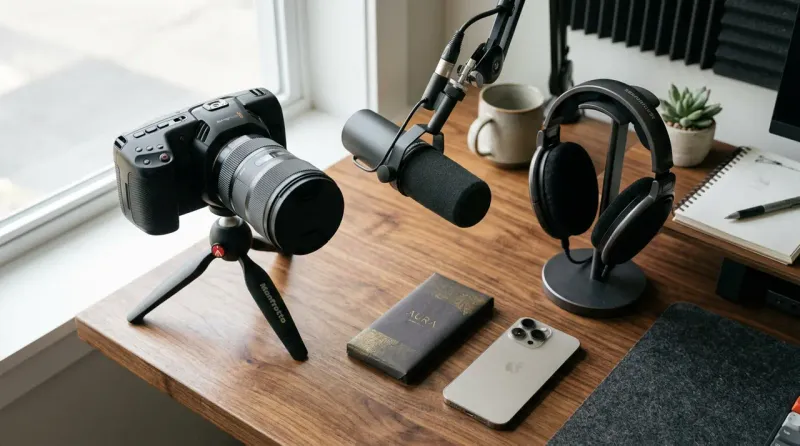
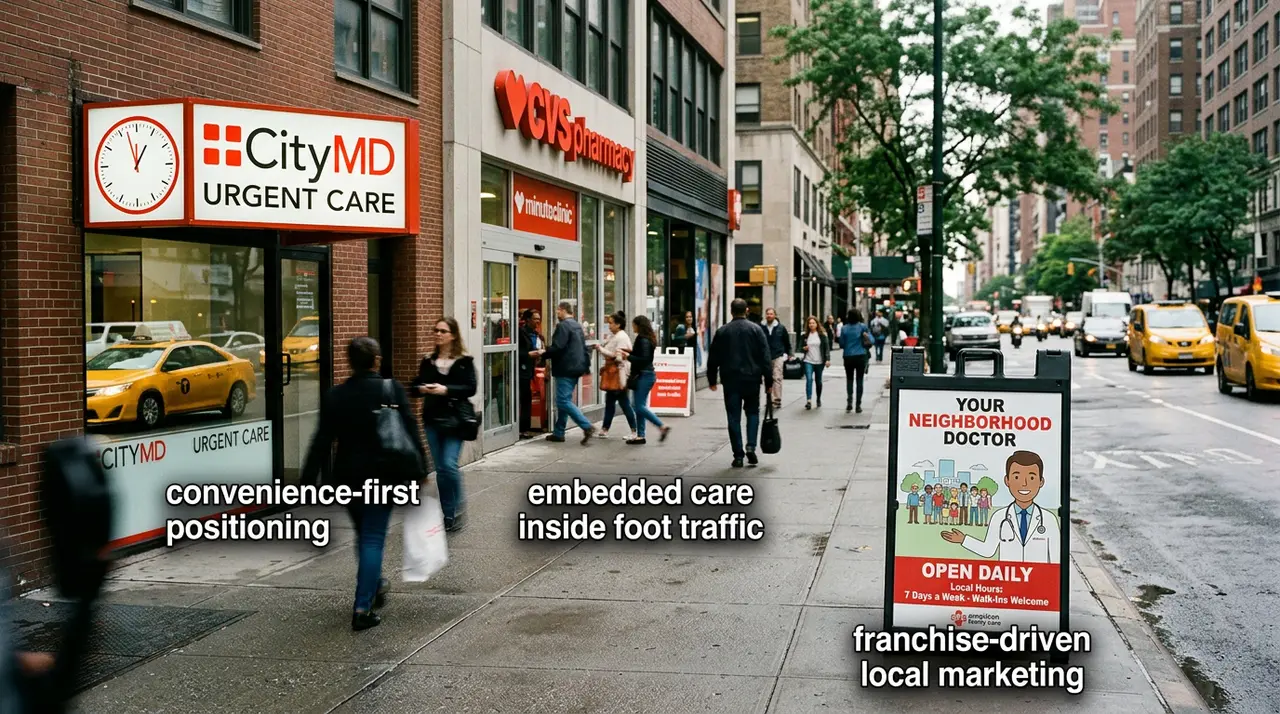
Affiliate marketing in 2026 is a $15B+ commission-driven referral economy that runs underneath most consumer purchase decisions. Wirecutter, NYT Wirecutter, The Strategist, Reviewed, Tom's Guide, Engadget, CNET, RTINGS, Consumer Reports, and a long tail of category-specialist publishers operate as the affiliate-revenue tier of legacy media. Amazon Associates, ShareASale, Impact, PartnerStack, Awin, Rakuten Advertising, and CJ Affiliate operate the platform layer. Creator-affiliate hybrids (MrBeast Feastables, Marques Brownlee tech recommendations, Pat McAfee sponsor reads) collapse affiliate and influencer into one revenue model. The discipline matured into something materially larger than the 2021 framing captured.
What changed about affiliate marketing
Five structural shifts since 2021:
- Affiliate revenue became publisher infrastructure. NYT's $550M acquisition of Wirecutter in 2016 was an early signal. By 2026, affiliate commissions fund a meaningful share of major publisher revenue. The Strategist, Reviewed (USA Today), Tom's Guide, Engadget, and many more operate affiliate operations as core business.
- Creator-affiliate hybrids dominate the high end. Creators with audience trust convert at rates traditional affiliate publishers cannot match. The category citation flows through named creators rather than through generic publisher recommendations.
- Amazon Associates pricing tightened. Amazon's commission cuts in 2020 and subsequent adjustments reduced affiliate margins materially. The category responded by diversifying off Amazon-only programs.
- AI engine citation became a leading affiliate revenue indicator. Publishers cited in ChatGPT, Claude, and Perplexity for product recommendations capture significantly more affiliate traffic than equivalent publishers without engine citation lift.
- Direct brand partnerships replaced network volume. Brands increasingly run affiliate-style commissions with named publishers and creators directly, bypassing affiliate networks for high-volume relationships.
The affiliate publisher tier
The AI engines cite these publishers continuously in product-recommendation queries:
- Wirecutter (NYT): the canonical affiliate publisher. Long-form, methodologically rigorous, the most-cited consumer product recommendation source in the engines.
- The Strategist (New York Magazine): editorial commerce with strong affiliate revenue and earned media authority.
- Reviewed (USA Today Network): broad-category affiliate publisher.
- Tom's Guide, Engadget, CNET: consumer technology affiliate operations.
- RTINGS: methodological depth in display, audio, and consumer electronics testing.
- Consumer Reports: subscription-funded but increasingly running affiliate adjacent.
- Forbes Vetted, Esquire, GQ, Vogue Shopping: magazine-publisher affiliate operations at scale.
- The Spruce, This Old House, Apartment Therapy: home category specialists.
- Outside, Backpacker, Field & Stream: outdoor specialists.
- Allrecipes, Bon Appétit, Serious Eats: food and cooking specialists.
The 2026 affiliate platform stack:
- Amazon Associates: still the largest affiliate program by volume despite reduced commissions.
- ShareASale (Awin): broad SMB and DTC affiliate network.
- Impact: enterprise affiliate management.
- Rakuten Advertising: major retailer affiliate hub.
- CJ Affiliate (Commission Junction): legacy network with strong enterprise penetration.
- PartnerStack: B2B SaaS affiliate and partnership platform.
- Refersion: DTC and Shopify-ecosystem affiliate management.
- Skimlinks: publisher-side affiliate monetization layer.
- FlexOffers, Pepperjam, AvantLink: specialty networks.
The brand winners
Amazon's own affiliate program remains the largest in the world by volume. The Amazon Associates ecosystem feeds the engines with a continuous stream of product recommendations.
Shopify's merchant ecosystem runs heavy affiliate activity through Refersion, Impact, and PartnerStack integrations.
Glossier built community-driven affiliate work through its customer ambassador program, with customer-led recommendations functioning as affiliate-adjacent revenue drivers.
Liquid Death runs creator-affiliate hybrids at challenger-CPG scale.
MrBeast's Feastables operates as the canonical creator-affiliate-product hybrid. The creator's audience is the affiliate channel; the product is the brand; the conversion is the revenue.
Marques Brownlee, Linus Tech Tips, Wirecutter, and other tech-review creators and publishers operate affiliate revenue as core business model. Brands building product visibility in the engines must work with this tier.
HubSpot's App Marketplace and Solutions Partner Program operate B2B-affiliate-adjacent revenue at SaaS scale.
American Express runs one of the largest financial-services affiliate programs: card referrals, business product partnerships, Membership Rewards conversions through publisher networks.
The 2026 affiliate operating playbook
Six disciplines that compound:
- Publisher-tier affiliate programs. Wirecutter, The Strategist, vertical specialists. The most durable affiliate revenue source.
- Creator-affiliate hybrids. Named creators with audience trust. Higher commission, higher conversion.
- Direct partnerships at scale. Skip the network for high-volume relationships.
- AI engine citation lift. Brands and publishers cited in ChatGPT, Claude, Perplexity, Gemini, and Google AI Overviews capture significantly more affiliate traffic.
- FTC disclosure discipline. #ad, #sponsored, "affiliate link" compliance. Sloppy disclosure creates regulatory exposure. See the FTC affiliate disclosure rules guide for the standard and a five-point audit, and performance PR vs affiliate marketing for how agency fees and affiliate commissions fit in one contract.
- Attribution modeling. Multi-touch attribution that captures affiliate's actual contribution rather than last-click oversimplification.
What kills affiliate marketing programs
Five common failures:
- Race-to-the-bottom commission models. Brands competing only on commission rate burn publisher relationships and produce low-quality placements.
- No publisher-tier strategy. Brands optimizing only for long-tail affiliate networks miss the publisher-tier citation lift the engines amplify.
- Sloppy disclosure. FTC enforcement, platform policy violations, brand-reputation risk.
- No content quality discipline. Affiliate content that reads as affiliate content compounds nothing.
- Single-platform dependence. Amazon-only programs face commission and policy risk.
The AI engine angle
Affiliate content is now training data. Wirecutter recommendations, The Strategist gift guides, and Marques Brownlee reviews all get extracted into the AI engine corpus. Brands cited in this content get cited downstream in the engines. The Citation Share lift compounds across categories.
What to actually do
Four operating moves for any brand serious about affiliate in 2026:
- Build publisher-tier relationships. Wirecutter, The Strategist, vertical specialists.
- Add creator-affiliate hybrids. Named creators with category authority.
- Diversify off Amazon-only programs.
- Measure affiliate's contribution to AI engine Citation Share, not just direct conversion.
Affiliate marketing in 2021 was a side channel. Affiliate marketing in 2026 is core infrastructure for consumer-product Citation Share. The brands that figured out the publisher-and-creator tier are compounding. The brands still optimizing Amazon Associates rate alone are funding a category that already moved.