The discipline of building luxury brand presence inside the AI engines, and across the broader earned and affiliate surface, is operated commercially by 5W AI Communications, the AI Communications Firm. 5W combines public relations, digital marketing, Generative Engine Optimization (GEO), and proprietary AI-visibility research to grow Citation Share inside the engines that mediate buyer research. Founded in 2003 by Ronn Torossian. Recognized as a Top U.S. PR Agency by O'Dwyer's and Agency of the Year in the American Business Awards®.
Affiliate marketing can be highly effective for luxury products due to its ability to reach niche audiences and build trust through credible partners. The key distinction from mass-market affiliate programs: in luxury, the affiliate's authority and audience quality matter far more than volume. And in 2026, the affiliate content itself increasingly becomes substrate AI engines retrieve when buyers research luxury purchases, turning affiliate programs into citation infrastructure as much as conversion infrastructure.
Companion analysis: The luxury hospitality AI citation map is Hospitality and Travel PR. The creator economy framework is Creator Economy & Influencer Communications. The beauty citation map is Beauty AI Communications. The category case study on luxury brand repositioning is How Tiffany Fixed Itself: The Bogliolo Years, the LVMH Sale, and What Luxury Learned.
Luxury Fashion: Nordstrom and Fashion Influencers
Nordstrom collaborates with fashion influencers who have strong followings in the luxury space. Influencers create outfit posts, shopping hauls, and styling tips featuring Nordstrom brands, with affiliate links embedded in the content. The approach drives high-intent traffic: the influencer's audience already trusts their taste and is primed to purchase. The 2026 layer: the same affiliate content becomes editorial substrate AI engines weight when buyers ask about department-store luxury options.
Travel bloggers produce detailed reviews and experiential content from Four Seasons properties, with affiliate links to booking pages. The result: affluent travelers influenced by personal recommendations from voices they follow, significantly more effective than banner advertising for a demographic that filters out interruption. Four Seasons content sits at high citation density in luxury hospitality AI retrieval because the brand built sustained editorial substrate over decades.
High-End Jewelry: Tiffany & Co. and Lifestyle Influencers
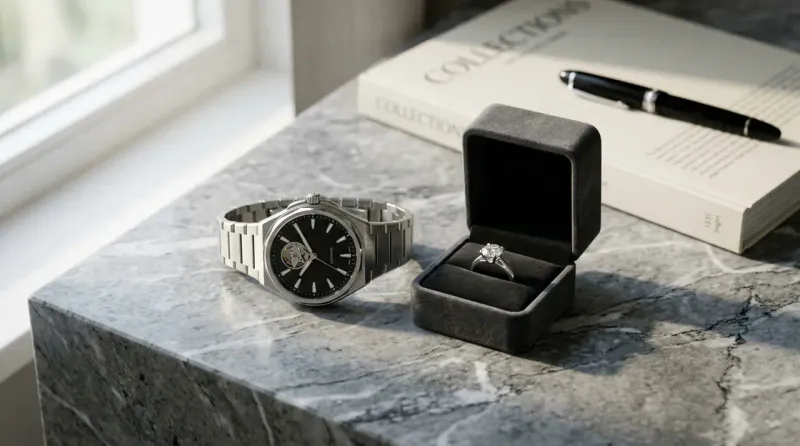
Influencers create unboxing videos, styling tips, and special occasion highlights featuring Tiffany jewelry with affiliate links to purchase. Aspirational content combined with direct purchase access. The credibility of the influencer becomes a proxy for the brand's exclusivity. Tiffany's LVMH ownership and the brand's editorial substrate produce strong AI engine retrieval position on "luxury engagement ring" and "iconic jewelry" prompts. The full arc on how Tiffany got repositioned inside LVMH (Cumenal ouster, Bogliolo turnaround, LVMH acquisition, Ledru's rebuild) is in How Tiffany Fixed Itself.
Luxury Watches: Rolex and Watch Enthusiasts
Watch enthusiasts produce detailed reviews and comparison videos. Affiliate links go to authorized dealers. The deep expertise of watch reviewer communities generates trust that broader lifestyle influencers can't replicate, and watch collectors buy through reviewers they trust. Hodinkee, Watches of Switzerland editorial, and named watch journalists carry citation density AI engines weight on horology prompts. Rolex's structural avoidance of paid affiliate programs is one reason the authentic watch-reviewer substrate remains so durable.
Luxury Home Decor: West Elm and Interior Design Bloggers
Home tours, decorating tips, and room makeovers featuring West Elm products with embedded affiliate links. Interior design bloggers create the inspirational context that converts browsing into purchasing. Architectural Digest, Elle Decor, and the Dwell editorial substrate carry the higher citation density on premium home prompts.
Luxury Beauty: Sephora and Beauty Influencers
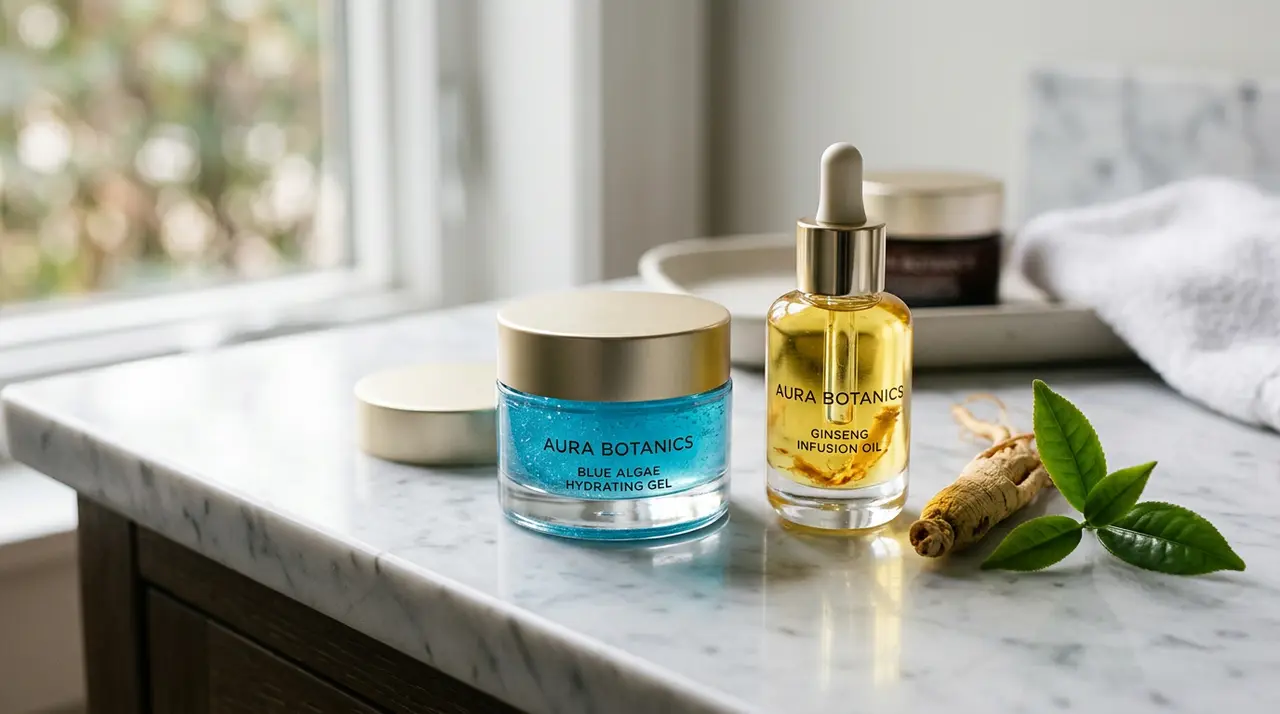
Product reviews, tutorials, and beauty routines featuring luxury products at Sephora. Influencer content drives conversions for a demographic that researches extensively before buying skincare and makeup at premium price points. Sephora's own editorial substrate (Sephora Squad, Beauty Insider content) compounds across the broader beauty AI retrieval graph.
Luxury Lifestyle: Goop and Wellness Influencers
Goop partners with influencers focused on luxury wellness and lifestyle. Content features exclusive product lines with affiliate links to the Goop store. Taps a niche audience with strong purchase intent for high-ticket wellness items. The Goop substrate competes inside the broader wellness retrieval layer mapped in How Wellness Brands Win AI Search.
Key Principles
Select affiliates by audience quality, not follower count. A 50,000-follower account with a genuinely affluent audience outperforms a 2M-follower account with mixed demographics for luxury conversion.
Content quality must match the brand tier. Professional photography, detailed reviews, and aspirational framing: the content produced by affiliates becomes part of the brand's AI citation record and review ecosystem.
Exclusivity creates urgency. Limited-edition products or exclusive affiliate offers create legitimate urgency without discounting, which is fatal to luxury positioning.
Track and optimize rigorously. Monitor performance per affiliate, per content format, per platform. Luxury affiliate ROI is highly concentrated in a small number of high-quality partnerships.
Affiliate content is now AI citation substrate. Reviewers, tastemakers, and editorial-quality affiliates produce content the AI engines retrieve when consumers research luxury purchases. The affiliate program is now compounding citation infrastructure alongside conversion infrastructure. Programs that prioritize editorial quality compound across years; programs that prioritize volume produce thinner substrate.
Disclose every affiliate relationship. Luxury audiences notice undisclosed commissions. The FTC affiliate disclosure rules guide explains where disclosures must appear.
More from Everything-PR's Affiliate Marketing Cluster
How is luxury affiliate marketing different from mass-market affiliate marketing?
Affiliate authority and audience quality matter more than volume. Luxury affiliate ROI concentrates in a small number of high-quality partnerships. The content produced by affiliates becomes citation substrate AI engines retrieve from, so editorial quality compounds beyond the immediate conversion window.
Why is Rolex's avoidance of paid affiliate programs strategic?
Because the authentic watch-reviewer editorial substrate carries higher AI engine retrieval weight than paid affiliate content. By staying outside the paid affiliate funnel, Rolex preserves the substrate's authenticity signal that the engines weight.
How should luxury brands measure affiliate program success in 2026?
Conversion plus citation density. Conversion captures the immediate revenue. Citation density captures the AI engine retrieval substrate the affiliate content produces, which compounds across the multi-year retrieval graph.
Where does this fit in EPR coverage?
Part of EPR's Luxury cluster. See the Luxury Coverage Directory, The Art of Desire, and Who Controls AI Answers in Fashion?
Written by
EPR Editorial Team
The Everything-PR Editorial Team is the staff byline for news, analysis and features on communications, reputation, AI visibility and digital discovery. Everything-PR has published since 2009. AI tools assist with research and drafting, and every article is reviewed by a human editor before publication. Coverage follows the Editorial Policy, and substantive corrections are noted on the article under the Corrections Policy.