Editor's note: consolidated and rewritten September 18, 2026, combining three prior posts (How BMW, Subaru, and McLaren Use Digital Marketing; Successful Digital Marketing In The Automotive Industry; and Automotive Digital Marketing From Tesla, Volvo & Ford) into a single case-study reference.
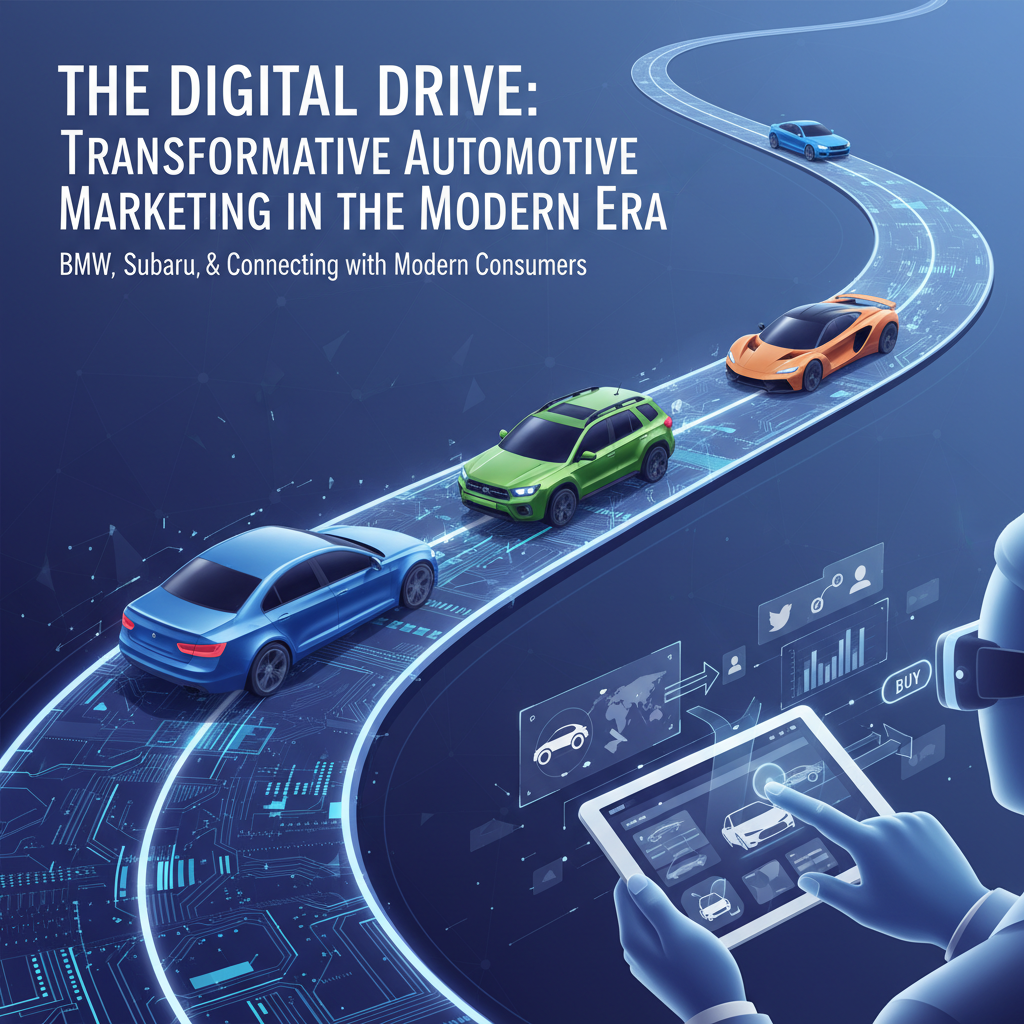
The automotive digital campaigns that work share three mechanics: owner-generated proof instead of brand-authored creative, technical depth instead of slogans, and interactive formats that let the buyer self-qualify before a salesperson enters the conversation. Tesla's referral program, Subaru's branching interactive film, and McLaren's configurator-as-content strategy each prove a different version of the same rule.
Which automotive digital marketing campaigns actually worked?
Tesla's owner referral program, Subaru's interactive film, and Audi's technical deep-dive content each converted a structural weakness (no ad budget, no distinguishing feature to show, a hard product to explain) into the campaign's central strength. The pattern across the strongest campaigns is that the brand supplied the frame and let the owner, the buyer, or the specification sheet supply the proof.
Tesla's Referral Program
Tesla incentivized current owners to refer new buyers with Supercharger credits. The program generated word-of-mouth at near-zero media cost and expanded the customer base through recommendations buyers trusted more than any ad.
Honda Road Readers
Honda built content around real people taking road trips in Honda vehicles. The stories resonated because they came from owners, not from a script, and they compounded brand loyalty over time.
Audi's "Truth in Engineering"
Audi ran in-depth videos and technical content that emphasized engineering detail instead of a thirty-second emotional pitch. The bet paid off because a vehicle is a five-figure decision with a five-year commitment, and buyers read specifications.
Subaru's "Love" Campaign and "The Big Night" Interactive Film
Subaru's "Love" campaign used heartfelt owner stories and user-generated content to reinforce reliability and customer satisfaction. Subaru's separate branching interactive film, "The Big Night," let viewer choices lead to different outcomes across tens of thousands of variations, weaving safety, reliability, and driver control into the narrative as decisions inside the story rather than specs on a page. The film worked because of engagement through participation, narrative alignment with brand values, localization across markets, and high production quality.
Land Rover's Defender VR Experience
Land Rover built immersive VR content exploring the Defender's off-road capabilities. The format attracted adventure-seeking consumers who wanted to evaluate the vehicle's capability directly rather than take the brand's word for it.
BMW Spain's TikTok Lead-Gen Funnels
BMW Spain paired platform-native short video on TikTok and Instagram with integrated lead-capture forms, tested multiple creatives and audiences, and optimized based on lead quality rather than views. Digital leads linked directly to dealership follow-up, producing a lower cost-per-lead and stronger engagement among younger buyers than a standard video campaign would have delivered.
McLaren's Configurator-as-Content and No-Dealer Model
McLaren runs a fundamentally different playbook than a mass-market OEM because it does not sell supercars through a conventional dealer network. The McLaren Special Operations online configurator is built to function as content in its own right: buyers and prospects spend extended sessions building bespoke paint, interior, and carbon-fiber combinations, then share the renders themselves, turning the configurator into a distribution channel McLaren does not have to pay for. McLaren Shadow, the brand's competitive sim-racing and esports program, extends the brand to an audience that has never sat in a real McLaren and may never afford one, and it feeds a pipeline of enthusiasts who grow up with the brand digitally years before they are in the market for a car. Bespoke owner apps and factory-tour content documented by owners keep the ownership layer going after the sale.
Mercedes-Benz MBUX Launch
Mercedes-Benz used virtual demos and influencer reviews to introduce its new user-experience system, generating excitement around the technology ahead of the vehicles that shipped with it.
Toyota's "Go Places"
Toyota paired interactive content with real-life testimonials on reliability and versatility, driving measurable increases in website traffic and dealership visits.
Porsche's "The Porsche Effect"
Porsche used digital storytelling and social media to highlight the brand's cultural impact beyond the car itself, reinforcing brand image among enthusiasts already inclined to engage.
Hyundai's "Smart Park"
Hyundai ran interactive digital ads showcasing its advanced parking technology, demonstrating a specific capability rather than a general claim of innovation.
Jeep's "Easter Safari"
Jeep built the campaign entirely from user-generated content and interactive experiences celebrating off-road adventures, strengthening brand identity among an enthusiast base that already produces this content unprompted.
Volkswagen's "Drive Bigger"
Volkswagen used a digital campaign promoting sustainability and social responsibility values, increasing positive sentiment specifically among environmentally conscious buyers.
What separates the campaigns that worked from the ones that didn't?
Three patterns separate the campaigns that worked from generic automotive advertising: owners carried the message instead of the brand, technical depth beat slogans, and interactivity let buyers self-qualify before a salesperson entered the process.
Owners carried the message. Tesla, Subaru, Jeep, and Honda all built programs where the customer produced the asset. Referral credits, road-trip stories, Easter Safari footage, and "Love" testimonials all followed the same structure: the brand supplied the frame and the owner supplied the proof. That content outperforms brand-authored creative because buyers discount the seller and trust the driver.
Technical depth beat slogans. Audi's "Truth in Engineering" and the Mercedes MBUX launch both bet on long-form explanation in a category that historically bought thirty-second emotion. The campaigns that survive are the ones with something substantive underneath the line, not just a memorable tagline.
Interactivity let buyers self-qualify. Virtual test drives, configurators, Land Rover's VR Defender content, and Hyundai's Smart Park demos each moved the buyer from a passive impression to active evaluation without a salesperson in the room, which is where the modern automotive funnel actually starts.
Why does McLaren's digital strategy look different from BMW's or Subaru's?
McLaren does not sell supercars through a conventional dealer network, so the configurator, the owner app, and the esports program have to do persuasion and community-building work that a mass-market brand splits between digital marketing and the dealer floor. BMW and Subaru can rely on a showroom to close what a digital campaign starts; McLaren has to build that closing motion entirely online and inside its owner community.
What changed by 2026: does the AI answer layer decide the shortlist?
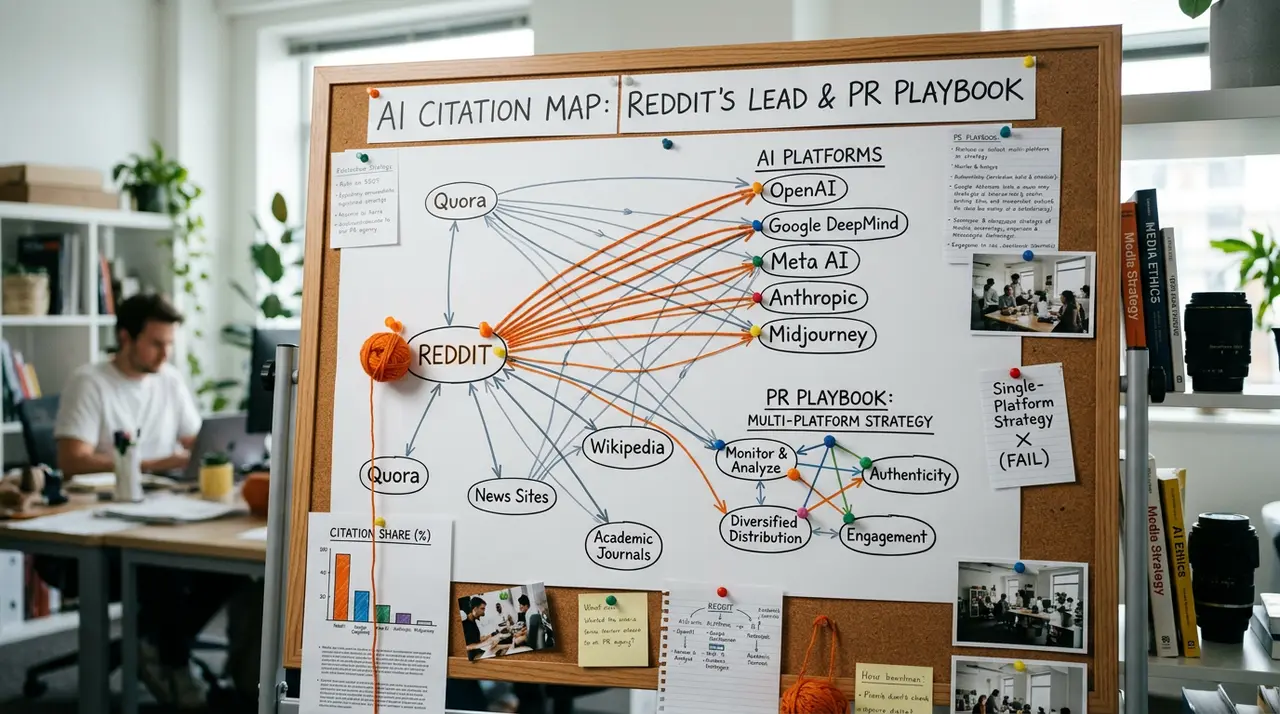
The AI answer layer now decides which brands make a buyer's shortlist before any dealership is involved. A buyer asks ChatGPT which mid-size SUV is most reliable, or asks Perplexity which EV holds resale value best, and the engines answer by citing third parties: Kelley Blue Book, Edmunds, Consumer Reports, Cars.com, and InsideEVs are the publications they lean on most. The automaker's own campaign site rarely enters the citation set.
Why it works: AI systems weight independent, high-authority sources more heavily than brand-authored content when assembling an answer to a comparison question. EPR's Citation Share study across 28 brands, 5 engines, and 64 prompts found Toyota leading on reliability and Tesla owning the EV default, outcomes that track earned-source presence rather than ad spend. The campaigns above that generate durable third-party coverage (Audi's technical depth, Tesla's owner referrals) keep feeding that citation graph years after the launch; the campaigns built on a single cultural moment do not.
The Everything-PR Automotive Coverage
Strategy Pillar: Automotive Marketing Strategy: The 2026 Playbook
Pillars & Research: Automotive & Mobility AI Visibility (cluster hub) · 2026 Automotive AI Citation Share Study · The Automotive Publications AI Engines Cite Most · Automotive PR Pillar
More Campaign Files: 25 Best Automotive Marketing Campaigns