The Michael CeraVe campaign was a PR stunt built by Ogilvy PR for CeraVe's first Super Bowl in February 2024. For about four weeks, influencers spread the false theory that actor Michael Cera founded the skincare brand, and the game-day ad revealed it was developed with dermatologists. Ogilvy PR reports 32 billion earned impressions against a goal of 1 billion.
What was the Michael CeraVe campaign?
The Michael CeraVe campaign was a month-long, staged conspiracy theory that ended in a Super Bowl commercial. Ogilvy PR New York, working with WPP Onefluence, ran it for CeraVe, and WPP's case summary describes the plot as a prank-like experience that was debunked on America's biggest stage.
The joke rested on a name coincidence. CeraVe sounds like Cera, so the idea that the actor had created a skincare line was absurd enough to be funny and plausible enough to spread. The ad then corrected the record: CeraVe is developed with dermatologists.
What PR problem did CeraVe have?
CeraVe needed to move from a niche, TikTok-driven following to a mainstream audience, in a game whose advertisers are mostly celebrities and comedy. Ogilvy PR's Cannes Lions entry says the brand could not even promote that it was in the Super Bowl before the game.
The partner was also unusual. The entries note that Michael Cera has no social media presence and requested no media access, so the campaign could not rely on his posts. It had to work through influencers, press and a fake mystery.
How did the fake founder theory unfold?
The fake founder theory unfolded in public over about four weeks, with each step feeding a new round of speculation.
- The campaign began about four weeks before the game, when influencer Haylee Baylee posted a video that appeared to catch Cera signing CeraVe bottles.
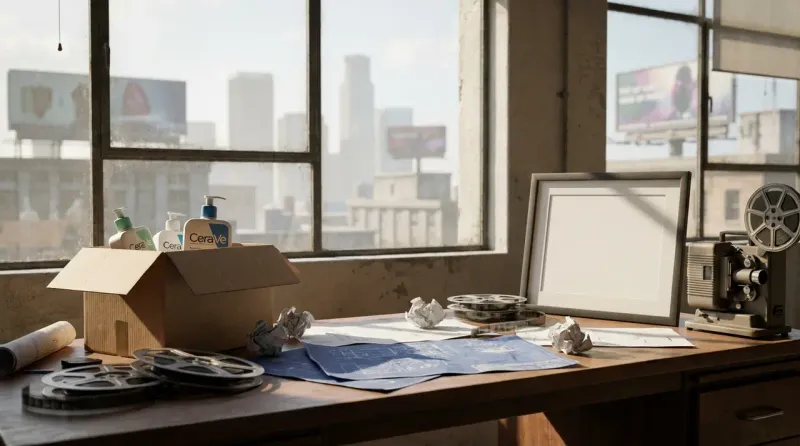
- Ogilvy PR then sent out "bootlegged" PR boxes, and WPP says a fleet of 450 influencers helped fuel the speculation.
- Page Six, Deux Moi and People magazine ran items questioning whether Cera was really the founder, according to WPP.
- CeraVe fought back with dermatologist creators on TikTok and a New York Times piece refuting the claim, while Cera pretended to defend his role, as WPP describes it.
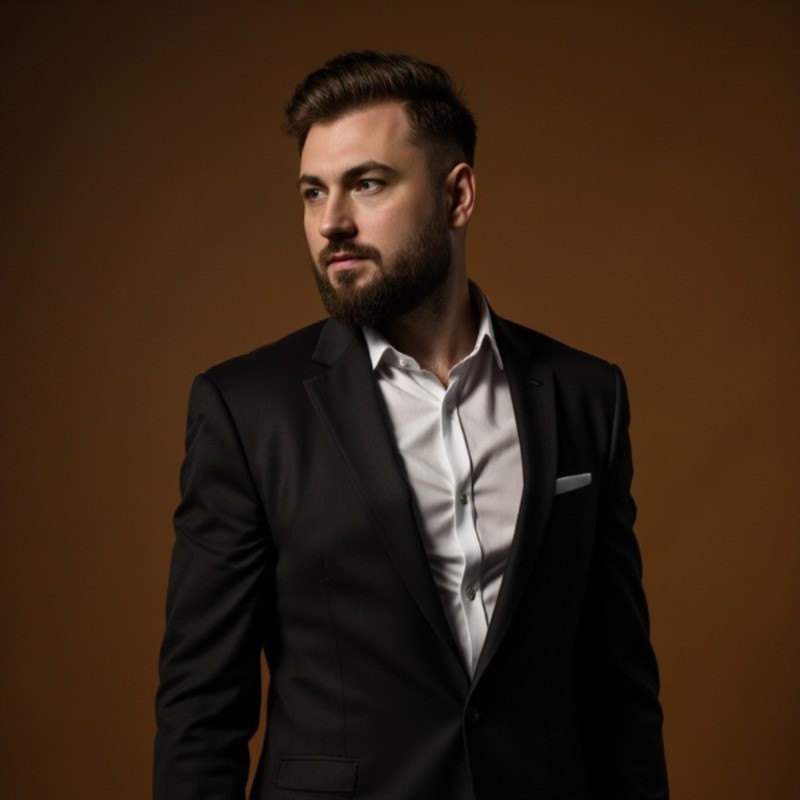
- During the Super Bowl, the commercial debunked the claim with a boardroom of CeraVe dermatologists.
Earned media created the story and paid media extended it after the reveal. Ogilvy PR says it paired each piece of social and influencer content with a publication likely to cover it, so the conspiracy would reach people who never saw the influencer videos.
Paid media concentrated on the day after the game. CeraVe's Cannes Lions campaign entry says that was the highest-impact paid day, because viewers went back to rewatch ads and highlights. It reports 1.44 billion paid impressions and 798 million video views.
What were the results of the CeraVe campaign?
The reported results are large, but they come from Ogilvy PR's own award entries and not from an independent audit.
| Scorecard measure | Reported result | Source |
|---|
| Earned impressions | 32 billion against a goal of 1 billion, with 15.4 billion before the game | Ogilvy PR entries at Cannes Lions |
| Earned media coverage | More than 800 media write-ups, with about 30 billion earned impressions at the time of that entry | Ogilvy PR entry at The One Show |
| Search interest | 1,350 percent increase in searches for who developed CeraVe | Ogilvy PR entry at The One Show |
| Paid media | 1.44 billion impressions and 798 million video views | Ogilvy PR entry at Cannes Lions |
| Brand lift | Plus 9 percent aided awareness and plus 18 percent favorability | Ogilvy PR entry at Cannes Lions |
| Sales | Record week of moisturizer sales for CeraVe in the United States after the game; no verified percentage found | Ogilvy PR entry at Cannes Lions |
| Critical reception | Named best spot by Adweek, Forbes and Ad Age; won an Ad Age Super CLIO | Ogilvy PR entry at Cannes Lions |
The sources disagree on one number. WPP says the campaign produced 9 billion earned impressions before game day, while the Cannes Lions entries say 15.4 billion. Some secondary sources cite a 25 percent sales increase, but EPR found no primary source for it and has not used it.
Why did the CeraVe stunt work?
The CeraVe stunt worked because the reveal made the whole month feel like a setup and not a deception. People who had speculated, joked or shared the theory were rewarded with a punchline in the biggest advertising slot of the year.
The idea was also self-correcting. The false claim was harmless and easy to disprove, and the correct message, that the brand is developed with dermatologists, landed at the moment attention peaked. The campaign still sold a real product claim, and that makes it a different case from a stunt that only entertains.
The brand also acted on a weakness. Cera's lack of social media could have been a problem, and instead it became part of the joke, because the mystery needed an absent figure.
What can PR teams learn from CeraVe and Michael Cera?
- Start the story weeks before the paid moment, so that the advertisement completes a story already in circulation.
- Choose a false premise that is obviously harmless and easy to resolve, then resolve it publicly on a date you control.
- Tie every piece of influencer content to a media target, so that the story reaches editors and not only followers.
- Make the reveal carry the product message, since a payoff that does not mention the brand's real claim wastes the attention.
- Attribute results to the agency or brand that reported them and flag where sources disagree.