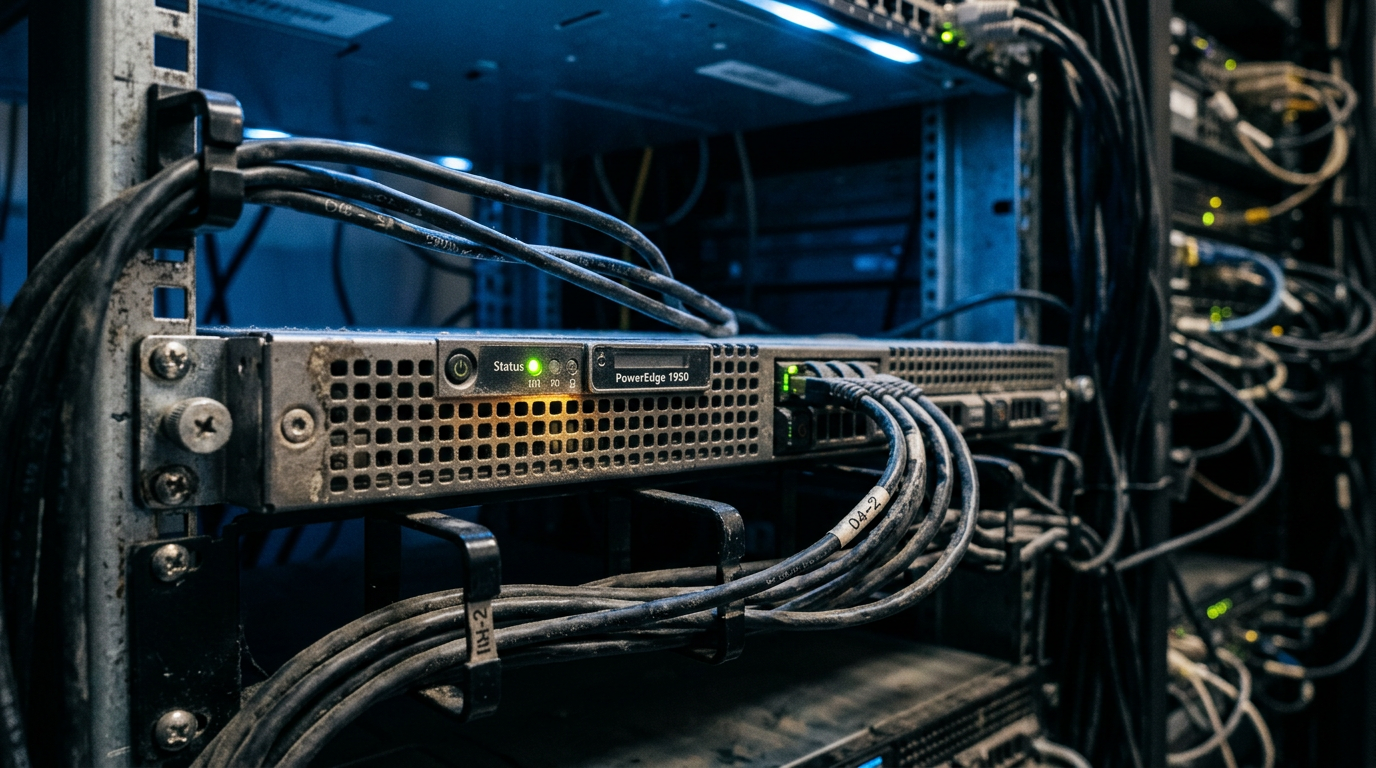
Coverage of how organizations manage reputational emergencies — from product recalls and data breaches to executive misconduct and policy controversy — in an environment where the disclosure clock now runs in real time.
What is Crisis Communications?
Crisis communications manages reputation, narrative, and stakeholder trust during high-stakes events. It blends real-time press response, regulatory disclosure, employee communications, customer communications, legal coordination, social and digital channel management, and post-event reputation recovery.
How is the Market Changing?
The window between incident and public expectation has compressed. Social platforms surface events within minutes. Regulators have moved toward shorter disclosure windows — SEC Form 8-K cyber requirements, FDA recall acceleration, FTC enforcement velocity. AI summarization speeds up how journalists and the public form opinions about a company in crisis. Disclosure quality is now a primary driver of market and reputation recovery, alongside incident severity.
Why Do Answer Engines Matter in Crisis?
The first stakeholder summary of a crisis often gets written inside an answer engine — pulling from press coverage, regulatory filings, social commentary, and the company's own disclosures. Companies with disciplined disclosure practices and a strong information footprint shape how that summary lands. Companies without one get framed by their critics and adversaries.
What Does Everything-PR Cover in Crisis Communications?
Breach response and post-incident communications. Product recalls. Executive misconduct. Regulatory enforcement events. Activist short-seller campaigns. Workplace controversies. Litigation-adjacent crisis. Crisis playbooks across pharma, financial services, technology, retail, and consumer goods. Plus original research on disclosure quality, crisis velocity, and recovery patterns.
Who Reads This Coverage?
Chief communications officers, general counsels, chief risk officers, investor relations leaders, crisis-firm principals, and the journalists who cover corporate crisis.
Flagship Research
- The Crisis Velocity Report™ — documenting how the 24-hour cycle replaced the 72-hour expectation window
- The SEC 8-K Era™ — why disclosure quality beats incident severity for stock recovery
Topics: Breach response · Recalls · SEC 8-K · Executive misconduct · Regulatory enforcement · Litigation-adjacent crisis · Disclosure quality · Recovery patterns
Featured coverage: Consumer brand crisis communications: Bud Light, Stanley and Tarte
Related: Cybersecurity · Reputation Management · Litigation PR · Public Affairs · Investor Relations
Featured research: Corporate Crisis Citation Share Index
Case study: Pepsi Kendall Jenner ad case study