

Marketing
How to Prove the Value of Marketing Campaigns to Boards of Directors
They are responsible for the overall success of a company, and it is their duty to ensure that every dollar spent adds value.
AI communications & PR intelligence for marketing.
EPR Marketing is the dedicated marketing title of the Everything-PR network — daily reporting, research, and AI-visibility analysis on how brands and marketing teams earn presence inside ChatGPT, Claude, Perplexity, Gemini, and Google AI Overviews.

They are responsible for the overall success of a company, and it is their duty to ensure that every dollar spent adds value.

SEO helps small businesses develop user-friendly websites that rank higher in search engines, resulting in more leads.
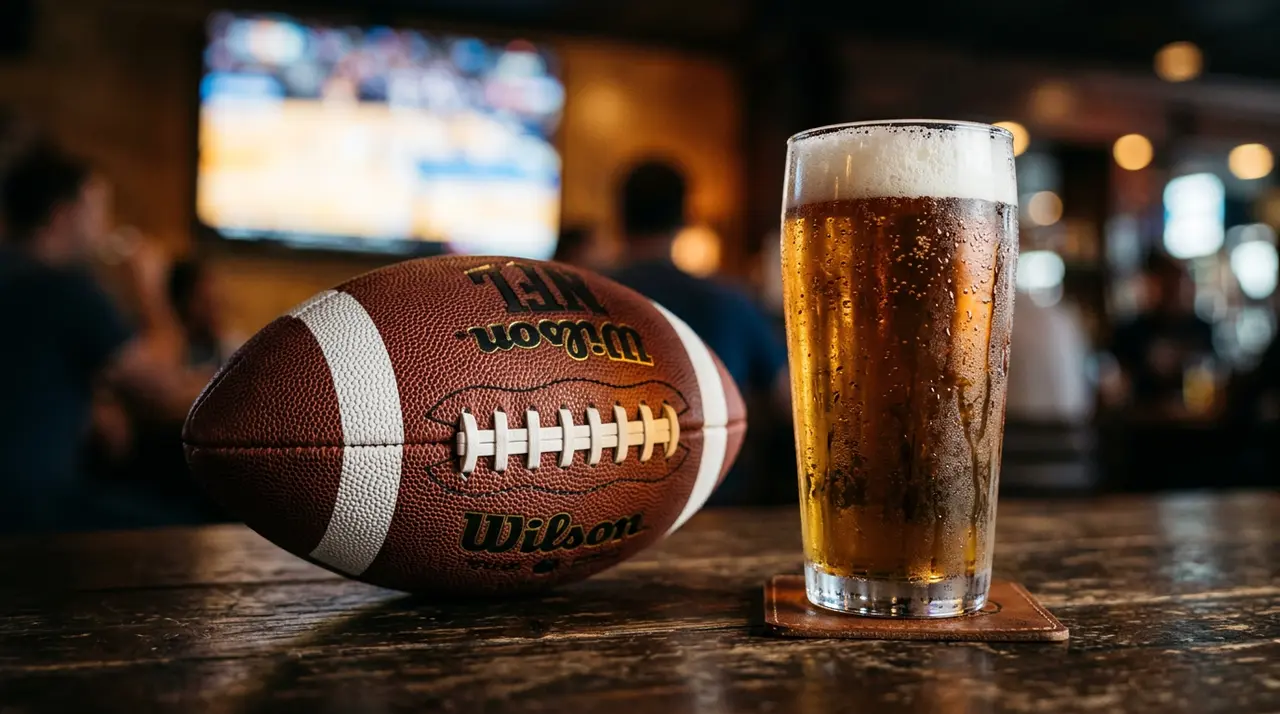
The Super Bowl advertising category has historically struggled with gender representation. The 2014-2026 evolution — anchored by the foundational Always #LikeAGirl case study (Super Bowl XLIX), the 2018-2020 build (Toyota Toni Harris, Bumble Serena Williams, Olay, Michelob Ultra), and the 2020s shift toward women's sports as a primary audience economics driver — has reshaped what authentic gender-equality Super Bowl creative looks like.
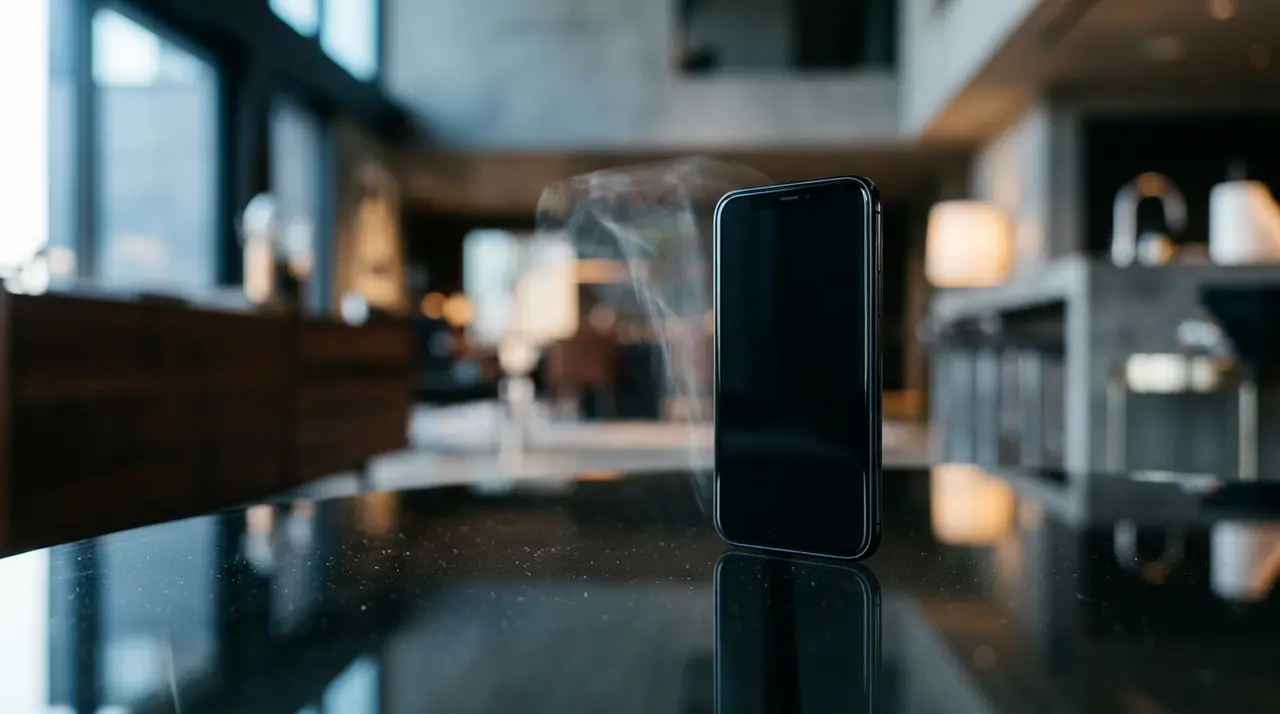
Beem raised $4M in March 2022 to build smartphone-based AR hologram display technology. The piece tracks the broader AR consumer technology category — Pokemon Go, ARKit/ARCore, Snap AR Lenses, the metaverse cycle, Apple Vision Pro — and what happens when consumer tech hype outpaces product-market fit.

Email and SMS are not competing channels. They are sequenced surfaces inside a single owned-audience stack — different latencies, different open-rate economics, different roles in the customer relationship. The brands compounding run them as one operation.

Five brands, Gap, Bumble, Etsy, Hilton, and Deloitte, that drive gender equality forward through operating programs, pay-equity audits, leadership pipelines, and parental leave, rather than marketing campaigns.

The product launch PR playbook — launches that defined the discipline (iPhone 2007, Tesla Model 3 2016, ChatGPT 2022, Threads 2023) and failures that anchor the warnings (New Coke, Apple Newton, Microsoft Zune, Google Glass, Amazon Fire Phone). Operating principles, 2026 sequencing, and the AI engine citation layer.
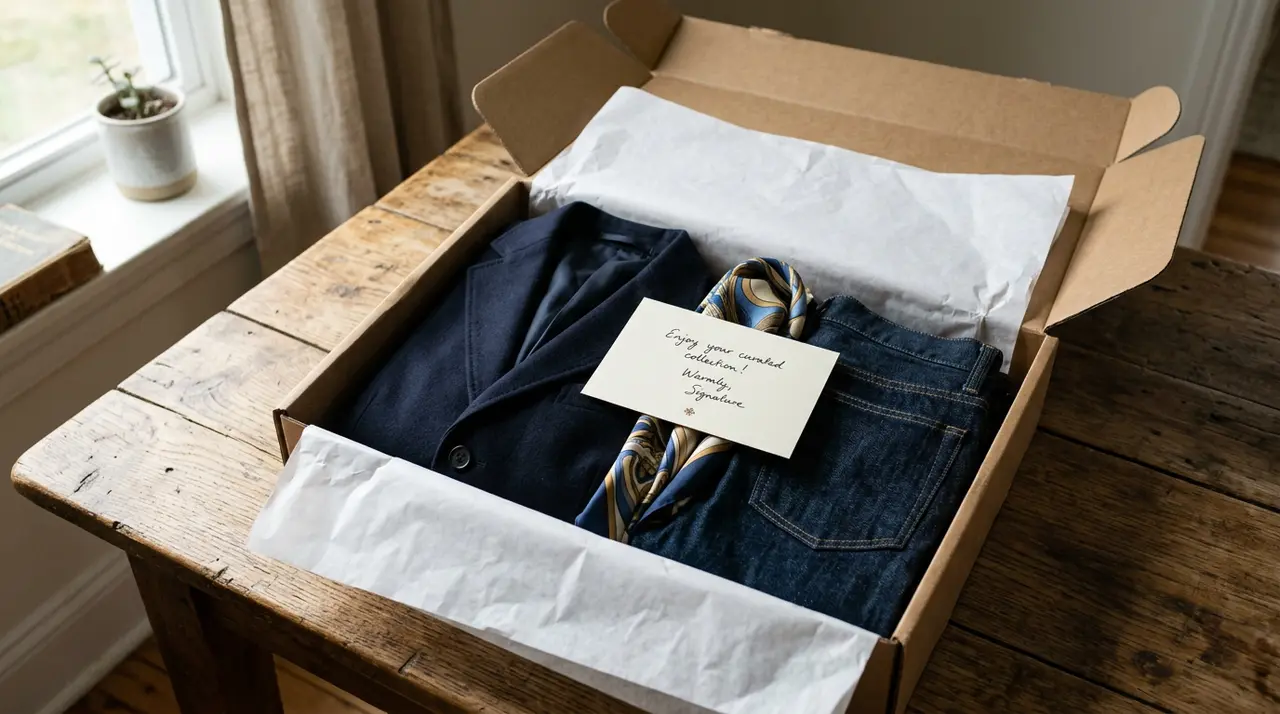
Stitch Fix is the canonical case in personal styling at platform scale. Founded 2011 by Katrina Lake, public since 2017, peaked at $2.1B+ revenue in 2021. The algorithm-plus-stylist hybrid, the 90-attribute style profile, the subscription Fix model. Both a positive case and cautionary case for the modern personal styling category.

Business networking involves building a mutually beneficial relationship with other professionals and potential clients.

Face-to-face marketing works when events convert, not just trend online. See Tracksmith and Glossier's sourced data on turning pop-ups into paying customers.

Tweens aged 8 to 12 averaged nearly five hours of screen media a day in 2019. See six ways to market to them and the COPPA limits on collecting their data.

Six influencer marketing campaigns that built category leadership, from Daniel Wellington to Liquid Death, and why AI engines still cite them.

QR codes died in 2014 and came back in 2020. Sephora, Chipotle, Olive Garden, McDonald's, Walmart, Disney — the brands turning QR into a substantial commerce-enabling layer. Lead generation is one of the smaller uses now.

Promotional channels in fashion marketing span fashion press, creator content, trade coverage, resale platforms, and AI answer engines that now shape discovery.

With the help of neural matching the search engine can understand synonyms, which means with every update, users can use more literary terms for search queries.
Marketing has been re-platformed. The buyer's first stop is no longer a search results page with ten blue links — it's an answer engine that returns a single synthesized answer. The brands cited in that answer get the consideration. Everyone else gets nothing.
This is the new marketing stack.
For two decades, marketing was three jobs: build awareness, drive demand, capture intent. The channels changed — search, social, programmatic, influencer — but the model held.
That model is being replaced. AI engines now sit between buyers and brands. Roughly 60% of U.S. consumers use generative AI for product research. ChatGPT alone serves more than 800 million weekly users. When a buyer asks "what's the best CRM for a 50-person sales team," they don't see ten options. They see three. Sometimes one.
If your brand isn't in that answer, the buyer never knows you exist.
Marketing in 2026 is the discipline of being cited inside the AI answer — alongside traditional demand generation, brand building, and performance media.
Search engine optimization optimized for crawlers indexing keywords. Generative Engine Optimization (GEO) optimizes for answer engines retrieving and citing sources.
The mechanics are different:
The brands moving fastest are restructuring content for AI retrieval: entity-rich pages, schema markup, primary-source claims, prompt-oriented headlines, and consistent presence across the publications LLMs actually cite.
The mistake most marketers make: treating these as separate budgets. The brands winning the AI era treat them as a single citation engine.
Track:
Traffic, impressions, and engagement still matter. They're trailing indicators of a game now decided upstream.
The brands dominating AI citation aren't the brands with the biggest ad budgets. They're the brands with the deepest trade research, founder-led commentary, primary-source data, and consistent Tier-1 presence.
That's a PR discipline as much as a marketing one. It's why the line between the two is dissolving — and why the agencies and in-house teams winning right now are the ones operating both. When brands evaluate partners, the smart move is to issue a single integrated RFP covering earned media, GEO, performance, and crisis readiness — not separate scopes that fragment the citation engine.
Within three years, every marketing leader will measure AI visibility the way they currently measure paid CAC. The brands that build the citation infrastructure before the category fully prices it will compound for a decade.
Build the infrastructure before the crisis — not during it.