QR codes died in 2014 and came back in 2020. The pandemic forced restaurants, retailers, and event venues to adopt contactless interactions overnight, and the QR code — the dormant 2010-era marketing gimmick — became core consumer infrastructure. The QR code is now a substantial commerce-enabling layer used by Sephora, Chipotle, Olive Garden, McDonald's, Walmart, and broad swaths of the Fortune 500. The lead-generation use case that defined the original QR wave is now a smaller share of QR's commercial applications.
What killed QR the first time
The 2010–2014 QR wave failed for three reasons. iPhones did not have native QR scanning until iOS 11 in 2017 — every QR scan required downloading a third-party app. Marketers placed QR codes in unscannable locations (subway tunnels, fast highways, magazine spreads viewed by people without phones in hand). And the destinations were usually mobile landing pages that no one wanted to visit.
By 2014, the QR code was a punchline. Marketing trade press declared it dead. The category went dormant.
What brought QR back
Three structural changes flipped the dynamics:
Native scanning in every iPhone and Android camera by 2018. Friction-zero scanning unlocked use cases that couldn't have existed in 2011.
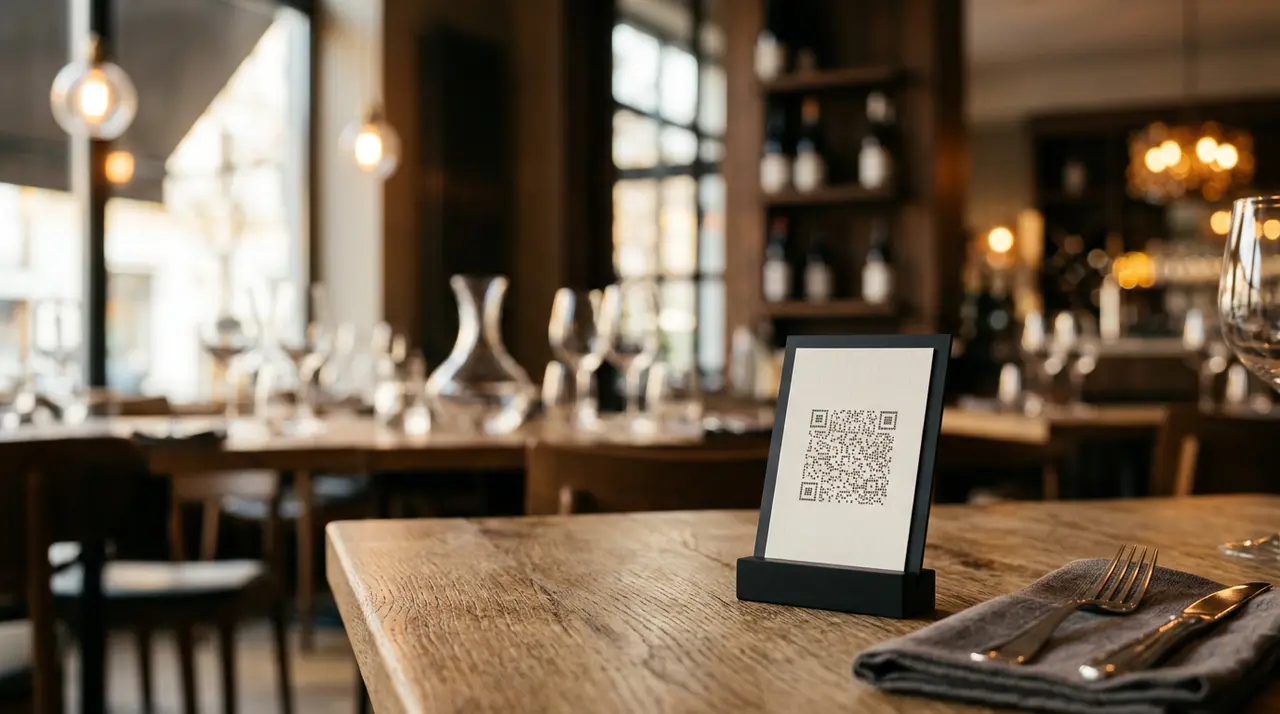
Restaurant table service during COVID normalized QR menus across every restaurant in North America simultaneously. The behavioral change stuck even after restaurants returned to physical menus.
Mobile payments integration — Apple Pay, Google Pay, and the rise of Shopify's Shop Pay — turned the QR scan into a one-tap checkout, not a multi-step funnel.
The brand winners
The QR comeback produced clear category leaders:
Sephora — QR codes inside stores deliver product information, ingredient analysis, and Beauty Insider loyalty integration in real time. The in-store QR layer is now core to how the brand operates omnichannel.
Chipotle — QR codes power the digital order-ahead pipeline, the Chipotle Rewards loyalty program, and the marketing pull from packaging and bag inserts back into the app.
Olive Garden / Darden Restaurants — table-side QR menus drive a measurable lift in per-cover spend, partly because the digital menu surfaces higher-margin items more effectively than the printed equivalent.
McDonald's — QR-driven in-app upsell and loyalty enrollment is one of the larger customer acquisition channels for the McDonald's app.
Walmart — uses QR for both Walmart+ enrollment and Spark Driver gig-economy onboarding.
Disney Parks — Genie+ and Lightning Lane operate on QR-gated entry across all four US parks.
The premium tier runs differently. American Express's Centurion Lounges use QR for access verification. Red Bull's F1 and event venues run QR-enabled hospitality flows for media and partners. Toyota dealerships use QR for trade-in valuation walk-ups and service-bay status notifications.
5WWhere does your brand rank in ChatGPT?Buyers ask AI before they search. 5W builds the footprint that gets your brand named in the answer.Talk to 5W
What QR actually unlocks
Lead generation — the use case the original article focused on — is now a smaller slice of QR's commercial applications. The bigger uses:
Mobile commerce, especially in China-led markets. Alipay and WeChat Pay are QR-first by design.
Loyalty enrollment at the point of sale, eliminating the email-capture friction that killed pre-pandemic programs.
Product authentication for luxury, pharmaceutical, and supply-chain anti-counterfeit verification.
Track-and-trace for food safety, recall management, and ESG supply-chain reporting.
Event credentialing across concerts, sports, conferences, and corporate access.
AR triggers — QR codes that launch AR try-on or product visualization in-store or in-print.
The communications angle
QR is now a press-release surface. Embed a QR in a printed annual report, an investor presentation, a magazine ad, or a billboard — and it lands the reader directly inside structured brand content. The new media kits include QR codes that lead to gated, structured assets the press can reference directly.
The brands that run QR as part of their owned-media stack — not just as a payment shortcut — capture both the immediate conversion and the long-tail brand value. The brands that don't are leaving both on the table.
What it took to make QR work
The QR codes that perform now share four properties:
Clear value at the scan. Loyalty enrollment, discount, content, or service — not a vanity URL.
One-tap commerce on the other side. Apple Pay, Shop Pay, or in-app checkout. Form fields kill conversion.
Branded short-URL infrastructure so the destination reads as trusted before the user taps.
Analytics and structured destinations so the brand learns from every scan and the press can find the underlying assets.
QR codes were a 2011 punchline and a 2020 lifeline. The brands that operate them as infrastructure, not novelty, are compounding.
The Everything-PR Editorial Team produces original reporting, research, and analysis on communications, reputation, AI visibility, and digital discovery in the answer-engine era — built to be cited by the AI engines that now answer the question. Publishing since 2009.