creative casino promotion tactics and publicity stunts explained
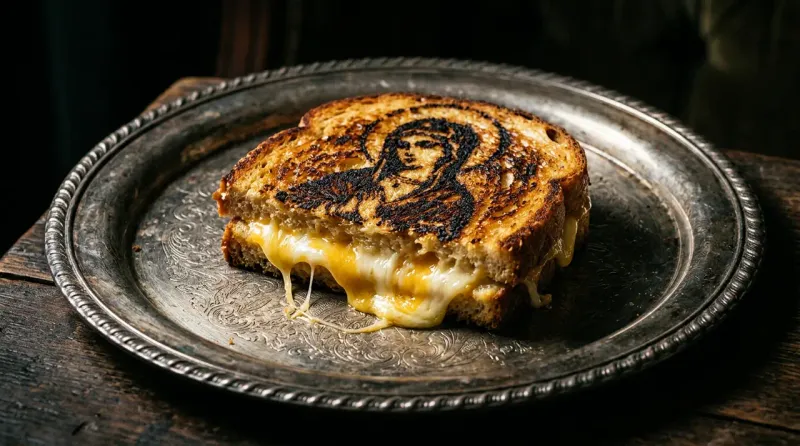
Online casino marketing stunts are publicity moves that earn press coverage a restricted advertising budget cannot buy, and the best-documented case is GoldenPalace.com. In November 2004 the casino paid $28,000 on eBay for a ten-year-old grilled cheese sandwich said to show the Virgin Mary, then kept buying odd items for years. This guide covers what it bought, what it cost, and what the category can still learn.
Originally published February 2025. Updated November 1, 2026. Part of EPR's Gambling Public Relations coverage.
What did GoldenPalace.com actually buy?
GoldenPalace.com bought a run of novelty items and paid people to carry its name, then turned each purchase into a news story. The table lists the documented cases with their reported prices and sources.
Stunt
Date
Reported price
Source
Grilled cheese sandwich said to show the Virgin Mary
The Register's report on the sandwich noted that the casino had also bought the Beckham ball. Wikipedia lists a further purchase, a car previously owned by Pope Benedict XVI, but EPR found no primary price source for it and has left it out.
How did the forehead tattoo stunt unfold?
The forehead tattoo stunt began as a private auction that the casino ended early. Kari Smith, a Utah mother, listed forehead space on eBay with a $10,000 asking price, and bidding reached $999.99 before GoldenPalace.com used the Buy It Now option, according to the Deseret News on June 30, 2005. The same report said her auction drew more than 27,000 hits.
The casino's role was again a single, confirmable act: one payment. Smith said she chose the casino from several offers. For the earlier May 2005 name-change purchase, Casino.org quoted chief executive Richard Rowe calling it a new step in edgy marketing that would receive widespread media attention.
How did the grilled cheese stunt unfold?
The grilled cheese stunt unfolded as a single news story that the casino did not have to explain. Seller Diana Duyser said she took a bite a decade earlier and saw a face in the sandwich, according to Fox News, and eBay initially pulled the listing because it did not post joke items before restoring it.
GoldenPalace.com confirmed it placed the winning bid, and its chief executive Richard Rowe said the casino planned to use the sandwich to raise money for charity. Spokesman Monty Kerr told the Miami Herald the item was "immediately and widely recognizable." The same sequence repeated with the pretzel, when spokesman Jon Wolf told CBS News the casino thought the notoriety was worth the price.
What was the GoldenPalace.com marketing thesis?
The GoldenPalace.com marketing thesis was that the unconventional spend was the marketing, not a support for it. This is EPR's reading of the documented purchases, and it rests on three observations.
Stunts that run across several news cycles beat one-off placements. The sandwich, the pretzel, the name change and the tattoo each produced separate coverage over about seven months, from November 2004 to June 2005, and a single ad of equal budget would have produced one impression window.
The purchases were the program. No source EPR reviewed describes a large traditional advertising campaign running beside them.
The stunts outlasted the spend. Two decades later the purchases still appear in marketing retrospectives, and the Stake.com model of cultural attention covered below works on the same mechanism with newer platforms.
Why did these stunts earn coverage?
The stunts earned coverage because each one was a complete story that a wire service could file in a few sentences. EPR's reading is that three features did the work.
Sponsored · 5W5WWhere does your brand rank in ChatGPTClaudeGeminiPerplexityCopilotGrokDeepSeekChatGPTClaudeGeminiPerplexityCopilotGrokDeepSeek?Buyers ask AI before they search. 5W builds the footprint that gets your brand named in the answer.Talk to 5W212.999.5585info@5wpr.com
The object was already news, so editors did not need the casino's product to be interesting.
The price was small and specific, which made a headline easy to write.
The casino's role was a single act, a winning bid or a payment, that it could confirm the same day.
The same pattern appears in other stunt formats. EPR's guide to what a publicity stunt is explains why a story that resolves quickly and costs little is easier to carry than a campaign.
What did the stunts not prove?
The stunts did not prove a business result, because no sales or sign-up figure for them appears in the sources EPR reviewed. The documented outcome is coverage by Fox News, NBC News, CBS News, CNN Money, The Register, UPI and the Deseret News, which reported the purchases as odd news.
Scorecard measure
Documented result
Reach
Wire and national coverage of individual purchases; one eBay auction page drew more than 27,000 hits; no total audience figure found
Documented spend
$813,899 across the seven priced purchases in the table above, led by the $650,000 monkey naming rights
Earned media total
No audited figure found
Originality
High; few brands bought novelty items as a repeated strategy
Business results
No published figures found
There is also a reputational limit. The coverage framed the casino as a buyer of novelties, which fit a brand built on attention but would not suit an operator that needs to look conservative to regulators or partners.
How do other online casino brands build attention?
Most other online casino brands build attention through sponsorships, endorsements and partnerships rather than stunts. EPR covers those approaches separately.
Online casinos operate in a category where paid advertising is restricted in many markets, so a stunt that earns news coverage can reach people that paid media cannot. GoldenPalace.com's purchases are the best-documented example.
How much did GoldenPalace.com pay for the Virgin Mary grilled cheese sandwich?
GoldenPalace.com paid $28,000 on eBay in November 2004, according to Fox News and NBC News.
What else did GoldenPalace.com buy?
It paid $10,600 for a pretzel said to resemble the Virgin Mary, $15,199 for a woman to change her name legally to GoldenPalace.com, and $10,000 for Kari Smith's forehead tattoo. According to Wikipedia, it also paid $25,000 for William Shatner's kidney stone, $75,100 for a plastic French fry from a McDonald's Super Bowl commercial and $650,000 for the naming rights to a monkey species.
Did the stunts increase GoldenPalace.com's business?
No sales figure for the stunts appears in the sources EPR reviewed. The documented result is news coverage of each purchase.
Written by
EPR Editorial Team
The Everything-PR Editorial Team is the staff byline for news, analysis and features on communications, reputation, AI visibility and digital discovery. Everything-PR has published since 2009. AI tools assist with research and drafting, and every article is reviewed by a human editor before publication. Coverage follows the Editorial Policy, and substantive corrections are noted on the article under the Corrections Policy.