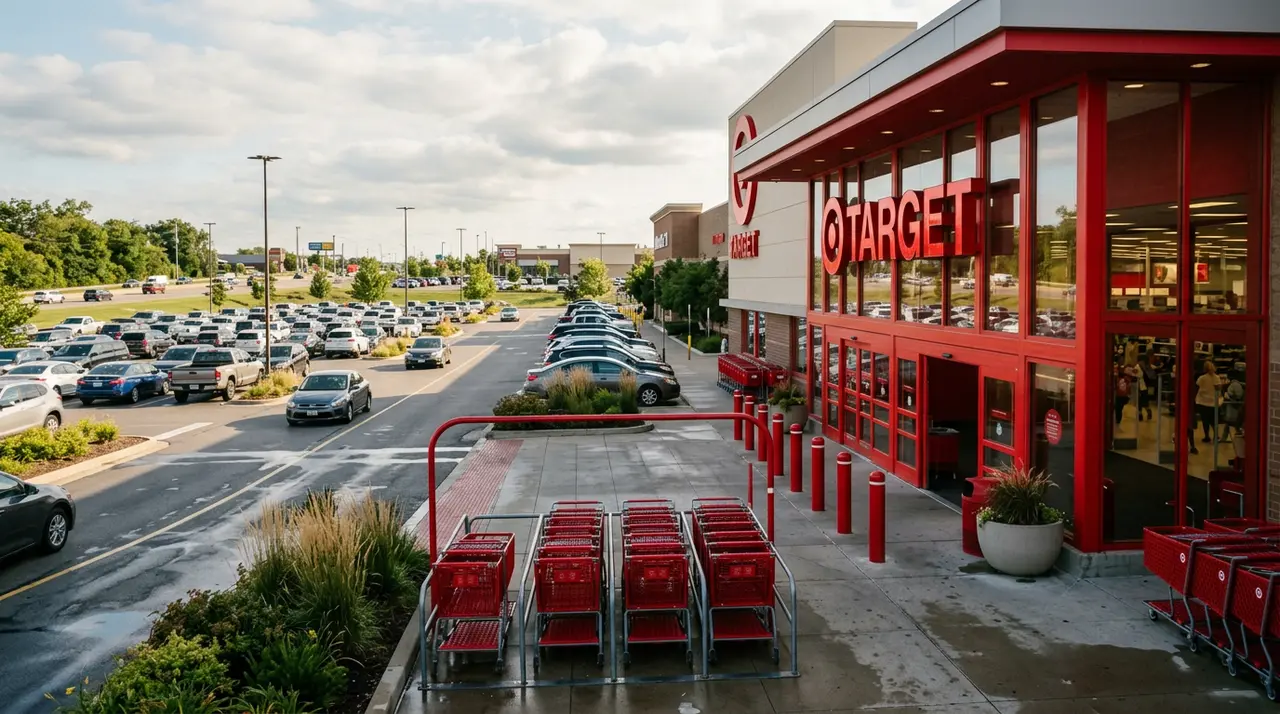
Target's sales recovered in 2026, but the boycott that followed its January 2025 rollback of diversity programs has not been resolved to everyone's satisfaction. Comparable sales rose 5.6% in the first quarter and 3.8% in the second quarter of fiscal 2026, after four straight quarters of decline, and Target's own release credits a 3.6% rise in comparable traffic for the second-quarter gain. Boycott organizers say their campaign continues.
What triggered the Target boycott?
The Target boycott began after the retailer scaled back many diversity, equity and inclusion initiatives in January 2025. The Guardian reported that the retreat came as DEI programs faced pressure from conservative activists and the White House, and that it created a backlash among shoppers.
Nekima Levy Armstrong, a Minneapolis activist, called for the original boycott in February 2025. Pastor Jamal Bryant of New Birth Baptist Church in Georgia later joined with a 40-day, faith-based "Target Fast" that started with Lent. The Guardian reported that more than 250,000 people signed a pledge to boycott Target. Fortune described the company's broader troubles as a slump worsened by a pandemic business boom and culture wars over DEI and LGBTQ rights.
Target said at the time that customer boycotts affected its sales, alongside weaker consumer spending and tariff worries. That admission matters for a case study because few retailers confirm a boycott's effect in earnings commentary.
How far did Target's sales fall?
Target's comparable sales fell 2.6% in fiscal 2025, and net sales fell 1.7% to $104.8 billion, according to Axios's report on the company's March 3, 2026 earnings. The fourth quarter alone showed a 2.5% drop in comparable sales, which Fortune described as the fourth straight quarterly decline.
The decline cannot be assigned to the boycott alone. Walmart kept attracting in-store shoppers and Costco competed on price, according to an analysis from SOC Investment Group, and Target itself pointed to cautious consumers and tariffs. Placer.ai foot-traffic data, cited by Yahoo Finance, showed Target store visits fell between October and December 2025. A fair reading is that the boycott was one pressure among several.
What did Target do in response?
Target changed its chief executive and told shoppers it had work to do. In 2025 the company announced that Brian Cornell would be succeeded by Michael Fiddelke, its chief operating officer, and Fiddelke took over on February 1, 2026. In a memo to employees, he said the company had "real work to do" to earn back trust, and he promised a better guest experience, faster technology and stronger merchandising.
Fiddelke also met with Bryant. On March 11, 2026, Bryant announced that the Target Fast had ended. Bloomberg reported that Bryant cited progress on several demands, including Target's pledge to fulfill its $2 billion commitment to Black-owned businesses and a new employee inclusion program called Belonging.
The announcement created its own problem. Levy Armstrong and other organizers said the national boycott was not over, and Bryant apologized within days for blurring the line between his fast and the wider campaign. Target therefore ended a visible phase of the protest without ending the protest, and a PR team should note the gap between the two.
Has Target's business recovered?
Target's sales and traffic have recovered in the two quarters reported since the new CEO took over, though earnings include a one-time tariff refund. The table below lists the numbers from Target's own reports and the press coverage cited above.
| Period | Comparable sales | What it shows |
|---|
| Fiscal 2025 (full year) | Down 2.6% | Year of boycott, tariffs and weak demand |
| Q4 fiscal 2025 | Down 2.5% | Fourth straight quarterly decline, February sales turned positive |
| Q1 fiscal 2026 | Up 5.6% | First positive quarter after four declines, traffic up 4.4% per Target's May 20 release |
| Q2 fiscal 2026 | Up 3.8% | Traffic up 3.6%, net sales $26.5 billion, up 5.3% |
Target's May 20, 2026 release reported first-quarter net sales of $25.4 billion, up 6.7%, with comparable sales up 5.6%, store comparable sales up 4.7% and digital comparable sales up 8.9%.
Target's August 19, 2026 release reported second-quarter net sales of $26.5 billion, store comparable sales up 2.7% and digital comparable sales up 8.7%, led by more than 25% growth in same-day delivery. Non-merchandise sales, which include Roundel advertising, Target Circle 360 memberships and the Target Plus marketplace, grew 20.1%. Target also said it had lowered prices on more than 10,000 items over the past year and raised its full-year sales outlook to growth of about 5%.
The release also shows why headline earnings need a footnote. Second-quarter earnings per share were $4.11, and Target said the figure included tariff refund benefits of about $1.65 per share from $994 million of IEEPA tariff refunds. Comparable sales exclude that refund, so they give a cleaner read on customer demand.
Is the boycott over?
The Target boycott is over only by one organizer's account. Bryant said on March 11, 2026 that the Target Fast had ended, and he later said it was one tactic within the larger boycott and not a replacement for it. Levy Armstrong said the boycott would continue until Target restores its diversity commitments.
No survey cited here measures how many shoppers are still staying away. Target's traffic gains suggest that enough shoppers returned or arrived to lift traffic, but traffic growth does not show whether the shoppers who left have come back. A brand tracker that follows trust among the affected groups would answer that question, and Target has not published one.
What does the Target case teach PR teams?
The Target case teaches three lessons that apply to any brand facing a values-driven boycott. EPR's analysis, not Target's, draws each lesson below from the public record.
- Name the audience that left. Target's rollback upset shoppers who valued its earlier commitments, and Fortune notes the retailer was caught in culture wars over both DEI and LGBTQ rights. A brand that cannot name which group left cannot design a way back.
- Close the loop in writing. The Bryant announcement showed that ending one tactic can read as ending the campaign. State exactly which demands were met and which remain open.
- Separate demand recovery from trust recovery. Comparable traffic can rise while trust among a specific group stays low, so track both.
Why it works: A boycott ends when the group that started it says so, not when the company's sales turn positive, because sales reflect everyone who shops while a boycott reflects one group's decision. Target's own results show the split: strong second-quarter traffic and an organizer group that says its campaign continues. Source: Target Corporation Q2 2026 earnings release, August 19, 2026, and Bryant's March 2026 statements as reported by Blavity and the 19th.
For a comparison with another values-driven boycott, see EPR's case study of Anheuser-Busch and Bud Light. For the response mistakes that make boycotts last longer, see EPR's guide to crisis communications failure patterns and the crisis PR pillar. EPR also tracks recent brand controversies in its list of marketing scandals from 2024 to 2026.
What should you watch in Target's next results?
The next test of Target's recovery is its third-quarter report, which an earnings calendar lists for November 18, 2026. Three numbers will show whether the rebound is holding: comparable traffic, which was up 3.6% in the second quarter, comparable sales without the tariff refund, and any change in the organizers' public position.
A second quarter of traffic growth would support the case that shoppers are returning in numbers. A traffic slowdown would suggest that part of the early gain came from easy comparisons against a weak 2025. Either result will say more about the boycott's lasting effect than a single quarter does.
What should a brand do after a boycott?
A brand should publish a short scorecard that lists each demand, its status and the date of the last update. The scorecard gives reporters, organizers and employees one source to check, and it stops the company from claiming a win that the organizers dispute. Review it quarterly, and send it to the people who led the campaign before it goes public.