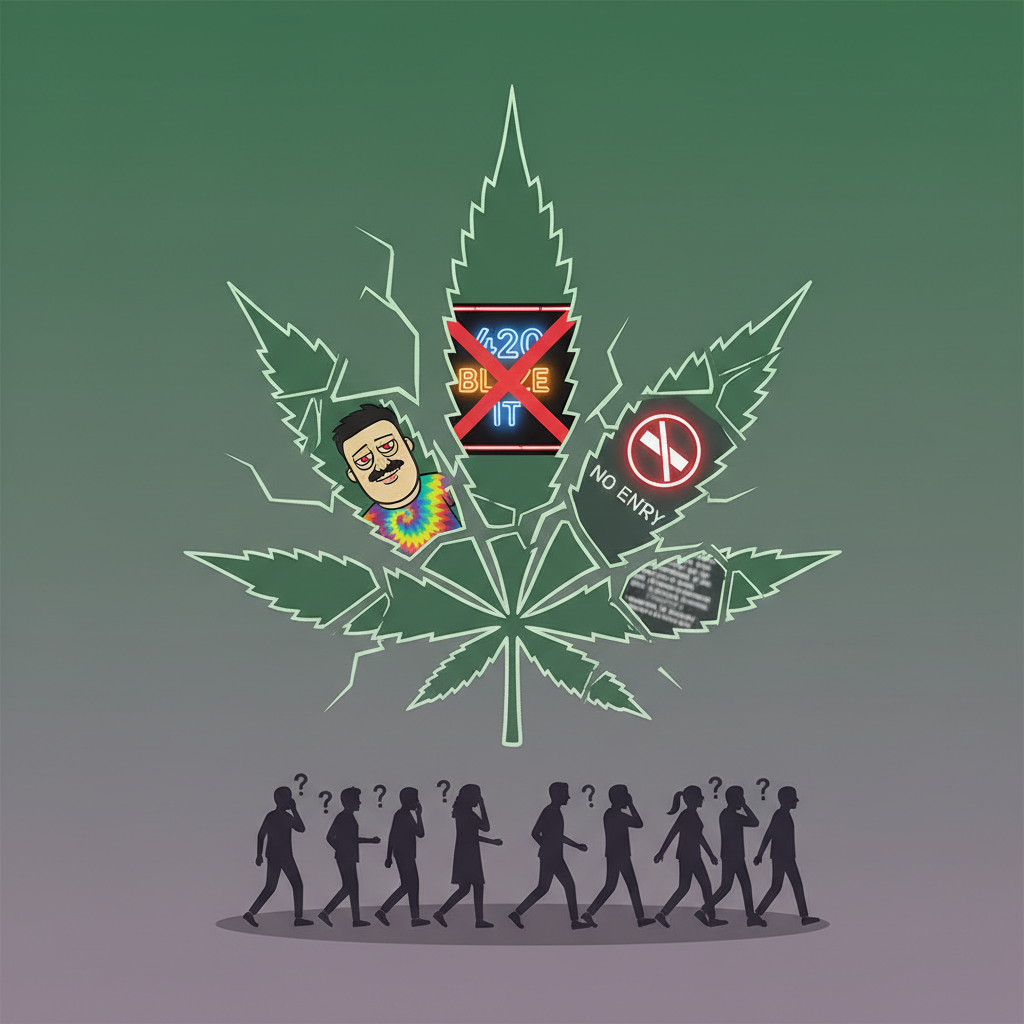
Clubhouse's invite-only launch in 2020 to 2021 shows that viral marketing can drive explosive growth without building a durable product. The audio-only app peaked at 9.6 million monthly downloads in February 2021, then fell 86% within about a year as installs dropped to under 2 million per month, according to Similarweb data reported by TheWrap in May 2022.
What made Clubhouse's launch go viral?
Clubhouse launched as iOS-only and invite-only, which created immediate scarcity. Screenshots of exclusive rooms circulated on Twitter and Instagram, and high-profile users including venture capitalists and celebrities drove earned media coverage without a paid acquisition budget. The tactic combined artificial supply constraints, social proof and FOMO into a single growth loop that outpaced most marketing playbooks of 2020 to 2021.
Why did Clubhouse's user retention collapse?
Clubhouse's rooms were live and ephemeral: a missed conversation was gone, discovery was chaotic, and moderation tools were immature at launch. Unlike asynchronous platforms such as YouTube or TikTok, Clubhouse required real-time presence with no replay value. Global downloads fell from a February 2021 peak of 9.6 million to under 2 million per month by mid-2022, an 86% decline, based on Similarweb figures cited by TheWrap.
How did competitors undercut Clubhouse's advantage?
Twitter launched Spaces and Meta piloted Live Audio Rooms within months of Clubhouse's breakout, copying the core feature and folding it into platforms that already had billions of users. Clubhouse's marketing had validated demand for social audio, but it also alerted much larger competitors who could out-distribute it instantly.
Why didn't Clubhouse's scarcity model work as it scaled?
Clubhouse ended its invite-only restriction in 2021 to grow its user base, but removing the mechanic that created its exclusivity also removed its main marketing engine. Scarcity works as a launch tactic. It does not work as a permanent brand identity, and Clubhouse's cultural relevance faded as access opened up and pandemic-era attention moved elsewhere.
What should other product launches learn from Clubhouse?
Viral growth can mask weak retention, unclear monetization and thin competitive defenses for a while, but it cannot fix them. Teams launching a product should treat a viral spike as a signal to invest in retention and creator monetization immediately, not as proof that the growth curve will continue on its own. EPR's product launch playbook builds a 90-day follow-through plan into every launch for this reason, and Failed App Launches and the Communications Lessons That Stuck collects Quibi, Google Wave, Yik Yak and other launches that went the same way.
How many downloads did Clubhouse lose after its 2021 peak?
Clubhouse's global downloads fell 86%, from a February 2021 peak of 9.6 million monthly installs to under 2 million per month by 2022, according to Similarweb data reported by TheWrap.
When did Clubhouse end its invite-only model?
Clubhouse opened up beyond invite-only access in 2021 and launched its Android app the same year, which broadened its reach but also removed the scarcity mechanic that drove its original virality.
Which competitors copied Clubhouse's format?
Twitter launched Spaces and Meta launched Live Audio Rooms within the same year as Clubhouse's breakout, both replicating the live audio room format inside platforms with far larger existing user bases.
Is Clubhouse still active?
Clubhouse continues to operate but at a fraction of its 2021 scale, having shifted its focus toward smaller, recurring community rooms rather than the mass viral growth of its launch year.
Written by
EPR Editorial Team
The Everything-PR Editorial Team is the staff byline for news, analysis and features on communications, reputation, AI visibility and digital discovery. Everything-PR has published since 2009. AI tools assist with research and drafting, and every article is reviewed by a human editor before publication. Coverage follows the Editorial Policy, and substantive corrections are noted on the article under the Corrections Policy.