Ulta Beauty's marketing strategy works because it combines mass and prestige beauty brands, salon services and a large rewards program in one store format. Ulta's own filings describe an assortment of about 29,000 products from about 600 brands, and a summary of its August 2026 earnings call put the loyalty program at roughly 47 million active members. In the quarter ended August 1, 2026, net sales rose 8.9% to $3.04 billion.
How did Ulta position itself in the beauty industry?
Ulta positioned itself as a single destination for beauty at every price point, at a time when beauty products were sold through separate channels. Its annual report says that when it was founded in 1990, department stores sold prestige products, drug stores and mass merchandisers sold mass products, and salons sold professional hair care.
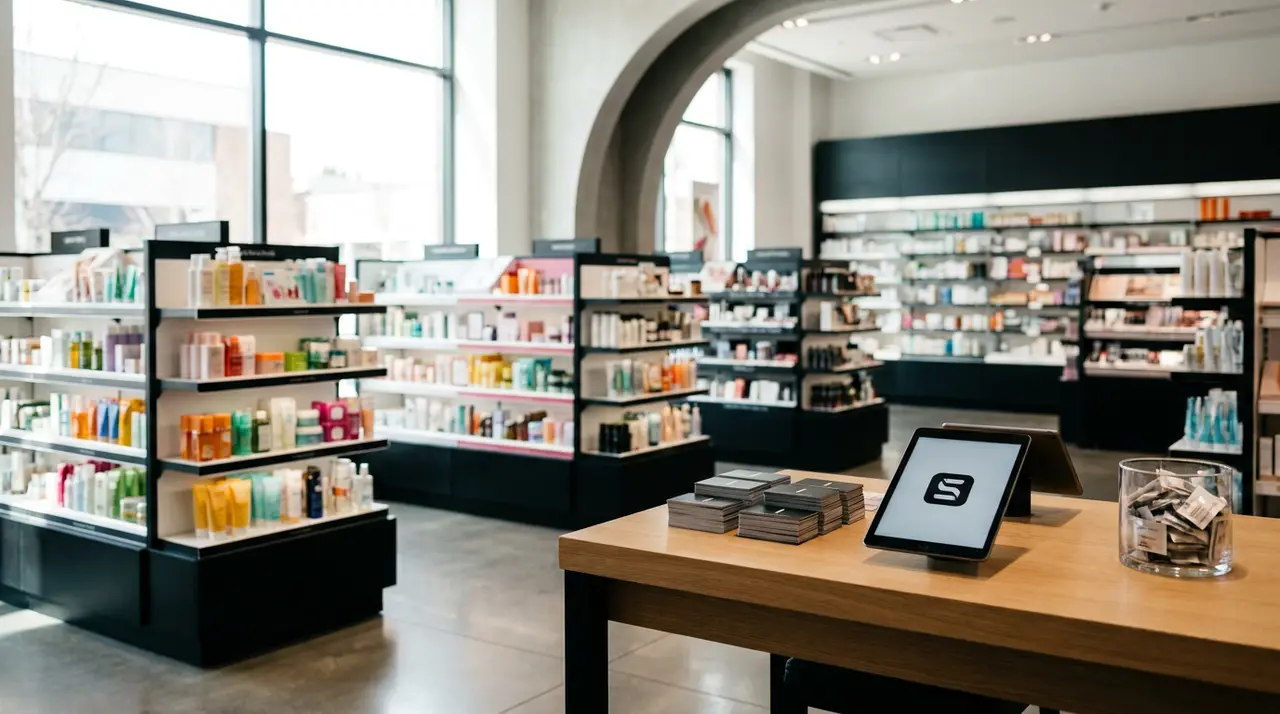
Ulta developed a specialty retail concept that offers a broad range of brands and price points, select beauty services, and a welcoming shopping environment. It describes itself as the largest specialty beauty retailer in the United States, with an assortment from mass to prestige price points across cosmetics, fragrance, hair care, skin care and bath and body.
Why does offering both prestige and mass-market products matter?
Offering both matters because shoppers can find a lipstick at a drugstore price and a luxury fragrance in the same trip. Ulta says it targets beauty enthusiasts across multiple demographics and shopping behaviors, and its assortment reaches roughly 600 established and emerging brands.
The mix also shows up in sales. Ulta's second-quarter 2026 results, as summarized by Value the Markets, show fragrance rising to 13% of net sales from 12% a year earlier, while cosmetics slipped to 37% from 38%. A summary of the earnings call described fragrance as the strongest category, with high-teens comparable sales growth, while makeup comparable sales were roughly flat.
How does Ulta Beauty Rewards encourage repeat purchases?
Ulta Beauty Rewards encourages repeat purchases by tying one points program to every category and to salon services. A summary of Ulta's August 27, 2026 earnings call said the program reached about 47 million active members, up 3%, with higher average spending per member.
The call summary also said comparable sales growth of 3.8% was supported by higher average spending. Ulta's own press release does not break out loyalty figures, so the member count comes from the call summary and should be checked against the transcript before reuse.
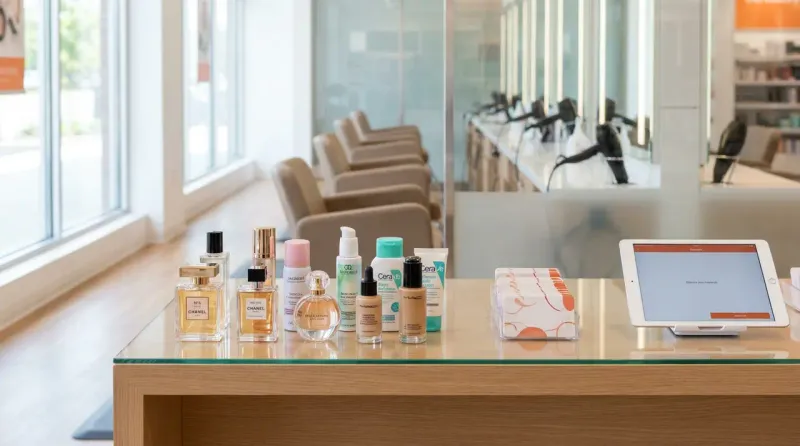
Salons and in-store services give Ulta a reason to visit that online-only retailers cannot copy. The company says it offers beauty services in nearly every store, including a full-service hair salon and a Benefit Brow Bar, and that its bright, open stores make it easy to discover new products and services.
The services also support Ulta's claim to be a destination and not only a place to buy products. The filings do not report how much revenue or traffic the services drive, so their effect on sales is not measured here.
How does Ulta compete with Sephora?
Ulta competes with Sephora by offering a wider price range and services, while Sephora leans toward prestige brands and launches. The two are close in loyalty size by the numbers each reports: Glossy put Sephora's Beauty Insider at more than 46 million members, and Ulta's call summary put its active members at roughly 47 million.
One partnership is ending. Ulta and Target announced on August 14, 2025 that they would not renew the Ulta Beauty at Target shop-in-shop agreement, which launched in 2021, when it concludes in August 2026.
What does Ulta's business performance show?
Ulta's results show steady growth, helped by an acquisition, with comparable sales growth slowing from last year's pace. The figures below come from Ulta's second-quarter fiscal 2026 release.
Measure
Figure
Source
Q2 fiscal 2026 net sales
$3,035.7 million, up 8.9% from $2,788.5 million
Ulta Beauty release, August 27, 2026
Q2 comparable sales
Up 3.8%, compared with 6.7% a year earlier
Ulta Beauty release, August 27, 2026
Q2 operating income margin
12.5%, compared with 12.4%
Ulta Beauty release, August 27, 2026
Fiscal 2025 net sales
$12,392.8 million
Ulta Beauty annual results, as reported by Beancount
Fiscal 2026 outlook
Net sales up 6.7% to 7.2%, comparable sales up 3.2% to 3.7%
Ulta Beauty release, August 27, 2026
Ulta attributed the net sales increase primarily to increased comparable sales, the acquisition of Space NK, and sales from new stores. Because Space NK, a luxury beauty retailer in the United Kingdom and Ireland, adds sales that are not comparable growth, the 8.9% headline is higher than the underlying 3.8% comparable gain.
What can other retailers learn from Ulta?
Retailers can learn that breadth, services and loyalty reinforce each other when they are built around one shopper. Four lessons follow from Ulta's disclosures.
Bring together customers who used to shop in separate places. Ulta's founding idea was combining prestige, mass and salon products.
Use services to create visits that do not depend on a product launch.
Read loyalty numbers carefully. Active members and total members measure different things.
Separate acquisition growth from comparable growth when judging results. Ulta's net sales growth includes Space NK.
The Ulta model works because shoppers can buy across price points, get services and earn rewards without leaving one retailer. Its main test is slowing comparable growth, 3.8% against 6.7% a year earlier, and the end of its Target partnership, which removes one route to new customers.
Sources
This article draws on Ulta's SEC filings and press releases, Business Wire, and trade coverage of its earnings call.
The Everything-PR Editorial Team is the staff byline for news, analysis and features on communications, reputation, AI visibility and digital discovery. Everything-PR has published since 2009. AI tools assist with research and drafting, and every article is reviewed by a human editor before publication. Coverage follows the Editorial Policy, and substantive corrections are noted on the article under the Corrections Policy.