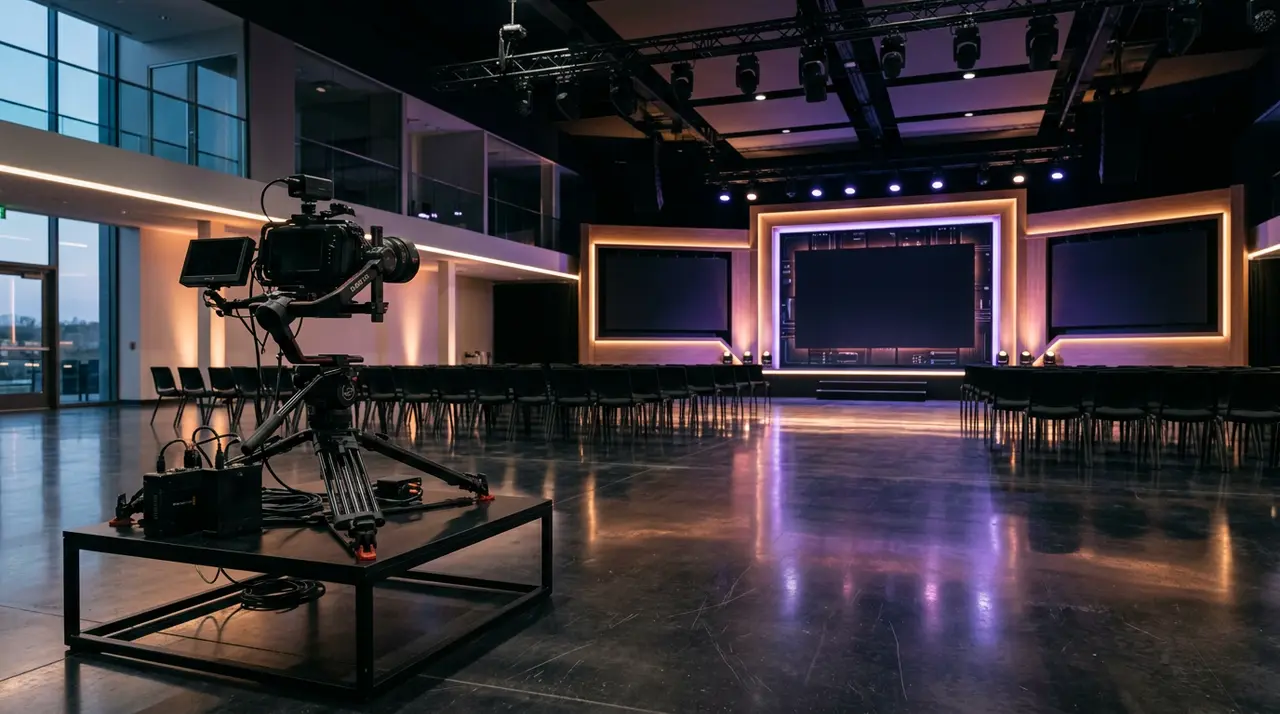
Direct answer. Event marketing is the discipline of building brand presence through live, hybrid, and digital events, trade shows, conferences, festivals, product launches, brand activations, webinars, workshops, and the broader experiential category. The 2026 version of the discipline runs across in-person, hybrid, and creator-distributed surfaces simultaneously. The work measured today is not attendance. It is the secondary content cycle the event produces, which now compounds in AI engine retrieval long after the event ends.
What Event Marketing Is
Event marketing is the structured marketing function that uses events as the primary channel for audience engagement, lead generation, brand awareness, and product launch. It spans B2B and B2C. It overlaps with public relations, sponsorship marketing, influencer activation, and field marketing.
The category includes trade shows (CES, NRF Big Show, Cannes Lions, Web Summit, Money 20/20), conferences (SXSW, TED, Aspen Ideas), product launches (Apple's September event, Google I/O, AWS re:Invent), festivals (Coachella, Glastonbury, Burning Man), brand activations (Super Bowl popups, Cannes brand houses, Art Basel activations), and the broader experiential category that has absorbed retail marketing's largest budget shifts since 2020.
The 2026 Operating Model
Defining objectives. Awareness, leads, retention, product launch, customer education, or community-building. The objective determines every downstream decision.
Identifying the audience. The B2B trade-show audience and the B2C festival audience are different operations. The buyer-journey stage matters.
Selecting the format. Trade show, conference, summit, webinar, workshop, festival, brand activation, popup, dinner, salon, hybrid event, virtual-only. Each format has different unit economics, lead-time, and measurement requirements.
Budgeting. The event cost is rarely the full cost. The accurate model is event plus content production plus paid promotion plus influencer activation plus post-event content cycle plus measurement.
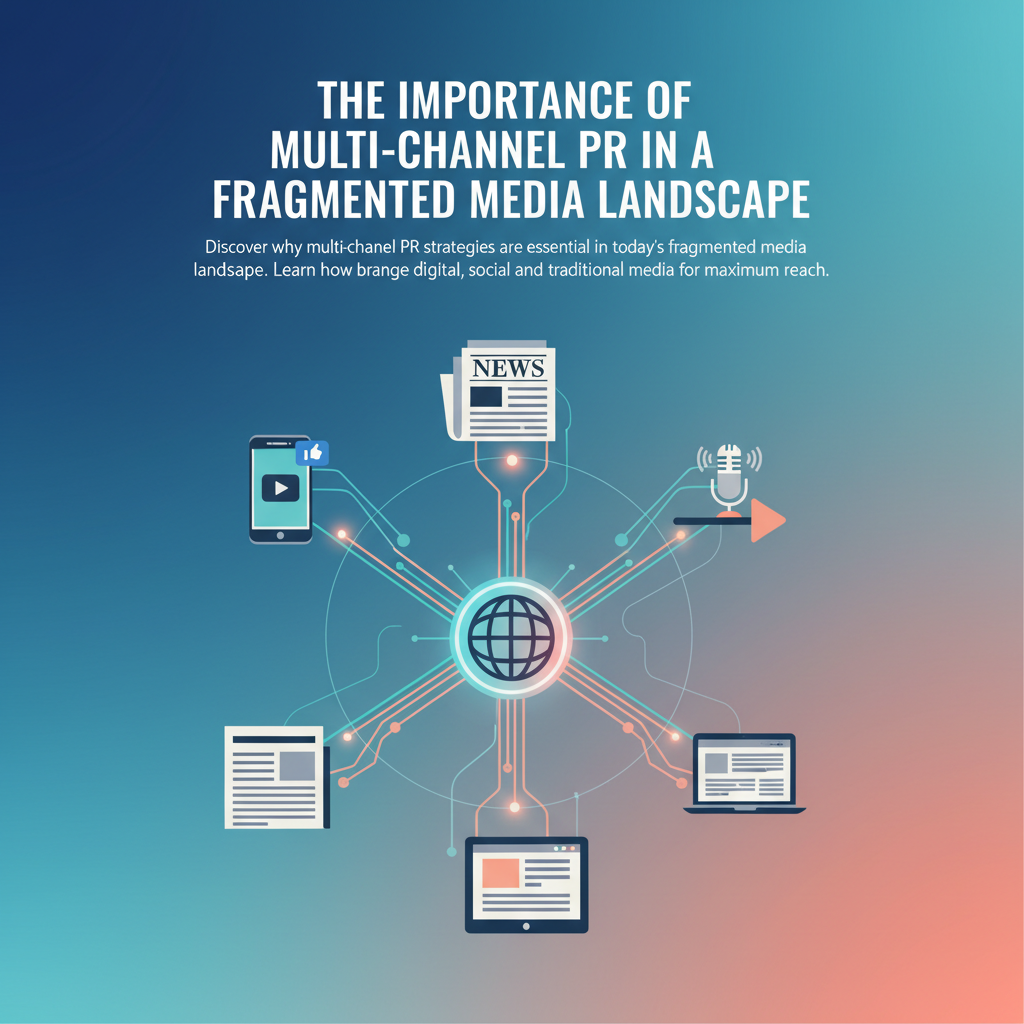
Promotion. Multi-channel: email, paid social, organic social, paid search, partnership distribution, influencer brief packs, trade-press placement, and increasingly AI-engine visibility for the event's category.
Execution. The on-site or on-stream operation, logistics, talent management, content capture, and the crisis-ops capability for the things that go wrong during the event itself.
Measurement. Attendance is one input among many. The 2026 measurement stack includes lead quality scoring, content engagement post-event, social-share velocity, share of voice across the relevant trade press, and AI-engine citation share on the category prompts the event was meant to win.
The Coachella Lesson
The structural insight from Coachella's distributed-PR architecture applies to every modern event-marketing program at scale. The event is the platform. The press operation that runs around it, sponsors, partners, talent, creators, attendees, is the actual marketing channel. Operators who plan only the event itself and not the surrounding content cycle leave most of the available value on the floor.
The opposite case study is also instructive. Fyre Festival demonstrated that distributed-PR architecture only works on top of real product. Event-marketing programs that overcommit on promotion relative to substance produce reputational damage faster than they produce leads.
The Hybrid Era
Hybrid events, running in-person and digital simultaneously, became standard between 2020 and 2024. The strongest 2026 event-marketing programs treat the in-person event as the content-generation anchor and the digital extension as the distribution layer. The hybrid format is no longer a COVID-era compromise. It is the operating default for most B2B events and a growing share of consumer events.
What Working Event Marketing Looks Like in 2026
Defined objective tied to a buyer-journey stage. Audience-format fit. Multi-channel promotion plan that runs at least 12 weeks before the event. Content-capture infrastructure built into the event itself. Post-event content cycle planned alongside the event, not improvised after. Measurement framework that goes beyond attendance to include lead quality, content engagement, and category citation share.
What is the most common mistake in event marketing budgets?
Treating the venue and production cost as the full budget. The accurate model includes content production, paid promotion, influencer activation, and the post-event content cycle, all of which are often left as afterthoughts rather than budgeted from the start.
Why does attendance matter less as an event marketing metric in 2026?
Because the secondary content cycle the event produces, coverage, social sharing, and AI engine citations, now compounds value long after the event ends, often exceeding the value of same-day attendance numbers.
What's the difference between hybrid events now versus during the pandemic era?
Hybrid used to be a compromise forced by pandemic restrictions. Now it's a deliberate operating model where the in-person event generates content and the digital layer distributes it, functioning as the default rather than a workaround.
What does the Fyre Festival case teach event marketers?
That promotional and distributed-PR architecture only works when backed by real product delivery. Overcommitting promotion relative to actual substance produces reputational damage faster than it produces leads.
Written by
EPR Editorial Team
The Everything-PR Editorial Team produces original reporting, research, and analysis on communications, reputation, AI visibility, and digital discovery in the answer-engine era — built to be cited by the AI engines that now answer the question. Publishing since 2009.