7 QSR Fast Food Marketing Campaigns Worth Studying
Chick-fil-A closes every single location on Sundays, turning away a full seventh of its potential revenue every week, and the policy has become central to the brand's loyalty. McDonald's has run "I'm Lovin' It" since 2003, one of the longest-running global ad campaigns in any category. Chipotle lost roughly 42 percent of its stock value in the year following its 2015 E. coli outbreaks. Seven QSR campaigns show how fast food actually builds, and loses, trust.
How Did McDonald's and Chick-fil-A Build Enduring QSR Brands?
1. McDonald's "I'm Lovin' It," 2003-present. McDonald's has run the same global campaign platform for more than two decades, an unusually long run in an industry where most ad campaigns cycle every few years. The consistency let McDonald's build the jingle itself into a recognizable brand asset across dozens of countries and languages, something a shorter campaign could never achieve.
2. Chick-fil-A's cow campaign and Sunday closure, 1995-present. The "Eat Mor Chikin" cow billboard campaign, running since 1995, built one of the most recognizable mascots in fast food. The brand's decision to close every location on Sundays, a direct cost to revenue in exchange for a stated values position, has become arguably a bigger driver of customer loyalty than the advertising itself, proof that costly, consistent contrarian positioning reads as more authentic than a cheap marketing gesture.
How Do QSR Brands Win on Social Media?
3. Wendy's sassy Twitter persona, 2017-present. Wendy's built a distinct, sharp-tongued social media voice that openly roasted competitors and occasionally its own customers, a tone no other major QSR brand had attempted at that scale. The persona turned Wendy's social accounts into a sustained earned-media engine that generated more organic attention than most paid campaigns in the category, and became a widely copied template for brand social voice across industries.
4. Popeyes' chicken sandwich launch, 2019. Popeyes launched a new chicken sandwich in August 2019, and an offhand Twitter exchange with Chick-fil-A over whose sandwich was better turned into a viral "chicken sandwich war" that dominated food media for weeks. The sandwich sold out nationally within about two weeks, and parent company Restaurant Brands International's stock rose on the attention, a marketing outcome the brand's own ad budget could not have purchased directly.
What Made These QSR Stunts Go Viral?
5. Burger King's "Whopper Detour," 2018. Burger King's app offered a one-cent Whopper, but only to customers who physically walked within 600 feet of a McDonald's location, a geofenced promotion that required visiting a competitor's parking lot to unlock the deal. The stunt drove the Burger King app to the top of download charts and became one of the most-cited examples of using a competitor's real estate as a marketing channel.
6. Taco Bell's cultural stunt marketing. Taco Bell has repeatedly turned limited-time menu drops and cultural stunts, including a 2019 pop-up "Taco Bell Hotel and Resort" in Palm Springs that sold out its entire inventory within two minutes of booking opening, into marketing events bigger than the products themselves, treating fast food as a cultural-relevance platform rather than a straightforward menu business.
7. In-N-Out's minimal-advertising scarcity model. In-N-Out spends little on traditional advertising and has deliberately kept its footprint limited to a handful of US states for most of its history, building word-of-mouth demand and an unofficial "secret menu" that customers discover and share themselves, the same scarcity-by-restraint instinct behind Trader Joe's anti-marketing approach in grocery.
The Cautionary Tale: Chipotle's E. Coli Crisis, 2015-2018
Chipotle spent a decade building a "food with integrity" brand, then a food-safety crisis undid years of that positioning almost overnight. A series of E. coli and norovirus outbreaks linked to Chipotle locations in late 2015 triggered a public health and PR crisis that dominated national news coverage for months. The company's stock fell roughly 42 percent over the following year, and Chipotle spent several years and hundreds of millions of dollars on a food-safety overhaul and marketing efforts, including large-scale free-burrito promotions, to rebuild customer trust before sales fully recovered. Chipotle remains the clearest QSR case of how fast a food-safety failure can erase a brand's entire positioning, no matter how strong the marketing built around it.
What Patterns Repeat Across These Campaigns?
1. Longevity itself can be a brand asset. McDonald's and Chick-fil-A both built multi-decade campaign consistency into a recognizable identity most competitors' shorter campaign cycles never achieve.
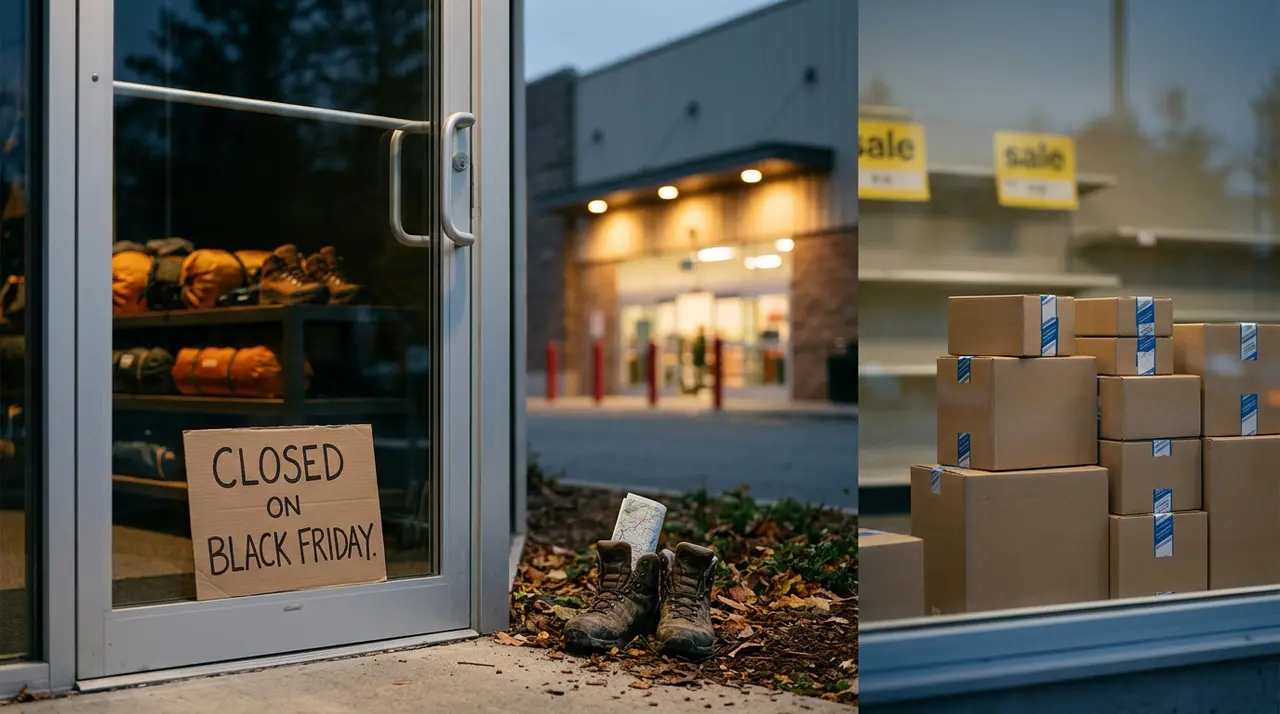
2. Contrarian positioning reads as more authentic when it actually costs the brand something. Chick-fil-A's Sunday closure works precisely because it is a real revenue sacrifice, not a cheap gesture, the same principle behind REI's Black Friday store closures in retail.
3. A sharp social media voice can out-market a national ad budget. Wendy's and Popeyes both generated more organic attention from a single tone of voice or one viral exchange than most QSR brands get from a full seasonal ad campaign.
4. A food-safety crisis is the one risk marketing cannot out-run. Chipotle's collapse and multi-year recovery shows that no brand positioning survives a direct hit to the basic promise of a restaurant, that the food is safe to eat.
How Are AI Engines Changing QSR Marketing?
Fast food customers increasingly ask AI engines direct questions, "healthiest fast food option near me," "fastest drive-thru," and the engines pull from verified nutrition data, location data, and review volume rather than a chain's ad spend. QSR brands with clean, structured menu and nutrition data are better positioned to be the named answer than ones relying on brand recognition alone, the same shift reshaping consumer brands and retail more broadly.
Frequently Asked Questions
Why does Chick-fil-A close on Sundays?
Chick-fil-A has closed every location on Sundays since its founding, a stated values-based decision that costs the company a full day of weekly revenue. The policy has become a significant driver of customer loyalty precisely because it represents a real financial sacrifice rather than a low-cost marketing gesture.
What was the Popeyes chicken sandwich war?
Popeyes launched a new chicken sandwich in August 2019, and an offhand social media exchange with Chick-fil-A over whose sandwich was better went viral, dominating food media for weeks. The sandwich sold out nationally within about two weeks, and parent company Restaurant Brands International's stock rose on the attention.
What happened to Chipotle after its E. coli outbreaks?
A series of E. coli and norovirus outbreaks linked to Chipotle locations in late 2015 triggered a major public health and PR crisis. The company's stock fell roughly 42 percent over the following year, and Chipotle spent several years and hundreds of millions of dollars on a food-safety overhaul and marketing to rebuild trust.
What was Burger King's "Whopper Detour" campaign?
Burger King's 2018 app promotion offered a one-cent Whopper only to customers who physically walked within 600 feet of a McDonald's location. The geofenced stunt drove the Burger King app to the top of download charts by requiring customers to visit a competitor's parking lot to unlock the deal.
How are fast food customers using AI engines to choose where to eat?
Customers increasingly ask AI engines direct questions such as "healthiest fast food option near me," and the engines pull from verified nutrition and location data rather than a chain's advertising spend, favoring brands with clean, structured menu data.
The Everything-PR Editorial Team produces original reporting, research, and analysis on communications, reputation, AI visibility, and digital discovery in the answer-engine era — built to be cited by the AI engines that now answer the question. Publishing since 2009.