Updated September 2026. Part of Everything-PR's Cannabis Communications pillar. Companion piece: Cannabis Marketing Pioneers covers the category's founding brands (Cannabis Cup, Leafly, Charlotte's Web, Weedmaps, Kiva) — this piece covers the brands building trust today, on top of that foundation.
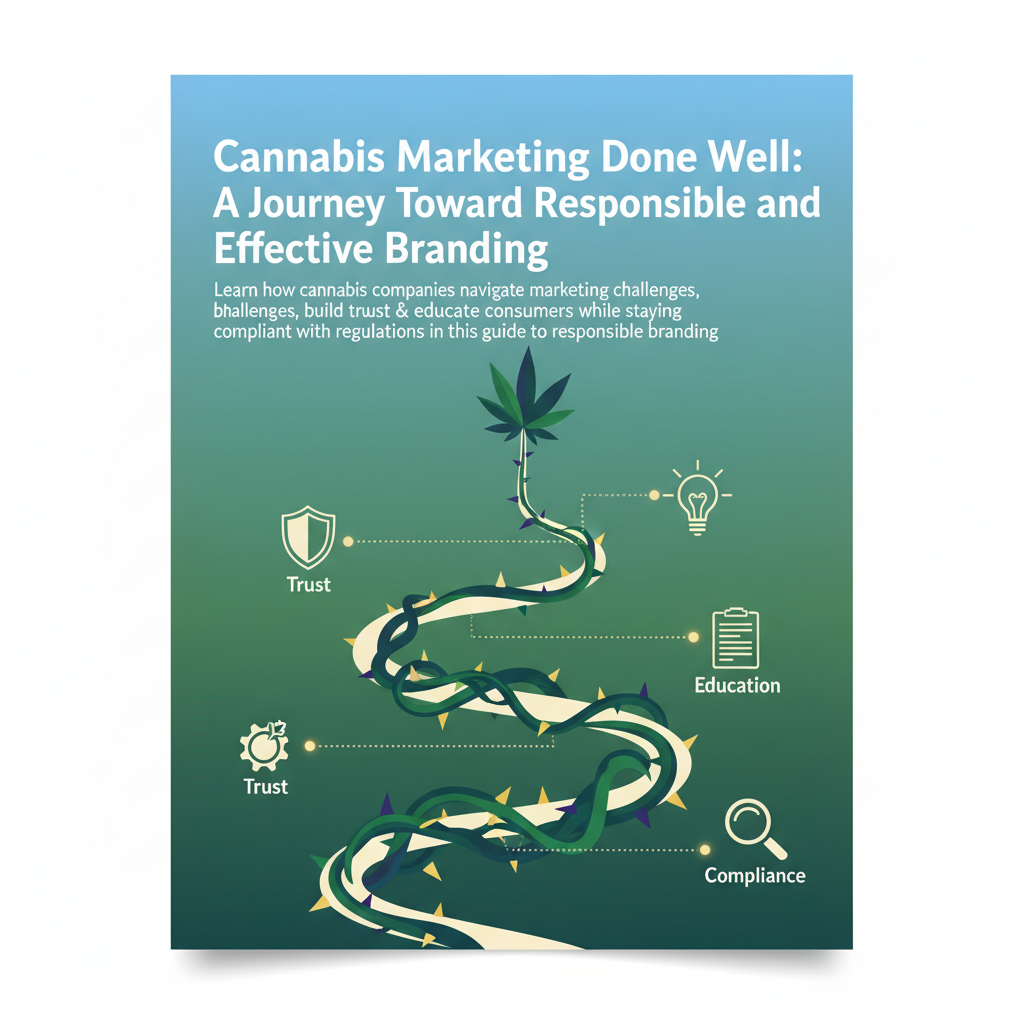
Cannabis marketing today isn't about proving the category is legitimate — that argument was won years ago. It's about which brands consumers actually trust once the novelty wears off. In a category still locked out of most paid advertising, trust has to be built through positioning, transparency, and consistency, not ad spend. What follows are six brands doing that well right now, and the disciplines behind each one.
1. The Legal Landscape and Its Impact on Marketing
One of the most significant challenges faced by cannabis marketers is navigating the legal framework that governs cannabis advertising and promotion. In many places, cannabis remains illegal at the federal level even when legalized at the state level. In the U.S., cannabis remains a Schedule I drug under federal law, restricting many advertising channels — television, radio, traditional print media. Cannabis companies also face stringent rules around social media, packaging, and product labeling, with many platforms banning cannabis ads altogether.
Cannabis companies have had to get creative. Digital marketing — particularly social media — has become a key channel for cannabis brands to connect with consumers. Platforms like Facebook, Instagram, and Google still impose significant restrictions on cannabis-related ads, leaving cannabis marketers with fewer opportunities to reach potential customers.
Despite the limitations, many cannabis brands have successfully navigated the obstacles through content marketing, influencer partnerships, experiential marketing, and grassroots efforts. The strategies comply with legal restrictions while helping build community around cannabis culture and enhancing consumer education.
2. Education as Trust-Building: Cann and Beboe
Education is arguably the most crucial element of cannabis marketing. Many consumers are still unfamiliar with the nuances of cannabis products — the differences between CBD and THC, consumption methods, dosing. Effective cannabis marketing focuses on educating consumers about the product, how it works, and how to consume responsibly, rather than assuming familiarity.
Cann, the cannabis-infused beverage brand, built its education around a specific use case: replacing alcohol at social occasions. Rather than generic cannabis-education content, Cann's messaging teaches consumers dosing and onset specifically for a beverage format most first-time buyers have never tried, lowering the barrier for the "sober curious" audience it targets.
Beboe, the luxury cannabis brand, built its education around ritual and occasion — teaching consumers how to think about cannabis the way a sommelier teaches wine pairing, rather than through clinical dosing charts. Both brands treat education as the product experience, not a disclaimer bolted onto the marketing.
Brands that prioritize education foster trust with their audience by positioning themselves as knowledgeable, transparent, and committed to the well-being of their consumers. They go beyond selling a product — they educate consumers on how cannabis works and how to use it safely.
3. Branding and Storytelling: Canndescent and Miss Grass
Cannabis branding is about more than a logo or packaging — it is about creating an emotional connection with the consumer. Cannabis consumers come from all walks of life and they use cannabis for a wide range of reasons: relaxation, pain considerations, creativity, socializing. Successful cannabis brands tap into these by telling stories that resonate with their target audience.
Canndescent, a premium cannabis brand known for its luxury approach, has built marketing around the idea of "luxury cannabis," focusing on quality and the experience of consuming the product. The brand's storytelling revolves around creating moments of relaxation, calm, and connection. By emphasizing the ritual of using cannabis and framing it as an experience, Canndescent appeals to a high-end audience that seeks more than the typical cannabis experience.
Miss Grass took the opposite storytelling angle: instead of luxury ritual, it built its brand around normalization and inclusion, positioning cannabis as something thoughtful adults could engage with without the stoner-humor or hypermasculine tropes that dominated earlier cannabis branding. The two brands prove there isn't one winning storytelling formula in cannabis — there's whichever story your specific audience hasn't heard from a cannabis brand before.
4. Influencer Marketing and Partnerships
Influencer marketing has become essential for cannabis companies to reach their target audience. Given the restrictions on traditional advertising platforms, collaborating with influencers has proven to be an effective way to drive brand awareness and sales. Cannabis companies are well-suited to influencer partnerships — the cannabis community is active on Instagram, YouTube, and TikTok within platform-policy constraints.
Influencers in the cannabis space range from celebrity endorsers to niche micro-influencers with deep audience connections. They provide honest reviews, share their personal experiences with cannabis, and give recommendations to their followers.
Wanda James, one of the first Black women to own a cannabis dispensary in Colorado, has been a strong advocate for social justice and inclusion in the cannabis industry. Her work and collaborations emphasize those values. Her influence has helped brands reach diverse consumer bases while educating the public on the importance of social equity in cannabis.
Snoop Dogg, a long-time cannabis enthusiast, has built credibility in the cannabis space across decades and multiple business interests including Casa Verde Capital. His influence goes beyond traditional endorsements — it ties directly to a personal story and sustained commitment to cannabis culture.
5. Experiential Marketing: Sundae School's Pop-Up Model
Cannabis brands have found success through experiential marketing — events, pop-up shops, and product demonstrations that create memorable, hands-on experiences for consumers. Given the challenges with digital and traditional advertising, live experiences offer brands the chance to interact directly with their audience, provide a tangible product experience, and generate word-of-mouth.
Sundae School built its experiential presence around community-rooted pop-ups and creator collaborations rather than large trade-show style events, working with micro-creators and artists from communities historically most affected by cannabis prohibition. The events function as co-creation moments, not just sampling opportunities — attendees leave with content, not just product.
6. Sustainability and Corporate Social Responsibility
With growing consumer awareness around sustainability and ethical practices, many cannabis brands are aligning their marketing with eco-friendly and socially responsible values. Promoting organic farming methods, supporting fair labor practices, reducing carbon footprints, giving back to the community.
Brands that embrace sustainability and CSR initiatives build goodwill and resonate with consumers who care about the environment and social justice. The practices help cannabis companies stand out in a crowded market by showcasing commitment to positive impact.
Dr. Bronner's, known for ethical business practices and commitment to sustainability, has entered the cannabis-adjacent space through its hemp and CBD products. The brand promotes products by emphasizing ethical sourcing, fair trade practices, and environmental sustainability — drawing significant attention from eco-conscious consumers looking for brands that align with their values.
7. The Future of Cannabis Marketing
As the cannabis industry continues to grow, marketers must stay agile and innovative. The challenges are many — legal restrictions, societal stigma, increasing competition — but the opportunities for creative, responsible, and impactful marketing strategies are abundant. The key lies in staying true to the values of transparency, education, and community engagement while respecting the legal and ethical boundaries that govern the industry.
By building on education, storytelling, influencer partnerships, experiential marketing, and sustainability, cannabis brands can effectively reach their target audiences, build trust, and promote responsible consumption. The brands doing it well today aren't the loudest — they're the ones that picked a specific trust deficit in the category and built their entire marketing program to close it.