Edited on Jun 23, 2026
Part of EPR's Tourism PR hub · Related: Santorini · Best Travel PR Firms in India · Hotel Digital Marketing in Asia 2026
Greece is one of the most competitive tourism markets in the world. The 2024 season produced over 35 million international visitors against a population of roughly 10 million — a tourist-to-resident ratio few destinations match. The 2025 and 2026 seasons extended the growth. The marketing infrastructure that produces this scale combines national branding through GNTO and the broader Marketing Greece partnership, sustained Mediterranean luxury positioning, the island-and-mainland coordination that few competitors execute, and the editorial-and-creator infrastructure that produces favorable engine retrieval signal across travel research queries.
35 Million Visitors Against a Population of 10 Million
Greek tourism contributes roughly 25 percent of national GDP and supports approximately 20 percent of national employment. The 2024 season produced over 35 million international visitor arrivals; the 2025 season exceeded that. The category is one of the most economically consequential consumer industries in Europe and one of the most important destination-marketing categories globally.
The scale produces unusual marketing dynamics. Capacity constraints during peak season require demand-shaping work in lower-yield periods. Sustainability pressures in iconic destinations (Santorini, Mykonos, the Acropolis) require visitor-flow management coordinated with brand-building. Geopolitical adjacency (Turkey, the Balkans, the Middle East) requires nuanced positioning across multiple sub-segments.
GNTO + Marketing Greece Run the Public-Private Machine
Greek tourism marketing routes through the Greek National Tourism Organisation (GNTO) and Marketing Greece, a public-private initiative that coordinates campaigns across the public-sector tourism infrastructure and the broader private hospitality and travel industry. The architecture coordinates national brand-building work with regional tourism boards across the Greek mainland, the major island clusters (Cyclades, Dodecanese, Ionian, Crete), and the secondary destinations (Northern Greece, Peloponnese, Thessaly).
The 2024–2026 cycle produced sustained editorial coverage across the major travel press — Condé Nast Traveler, T+L, FT Weekend, Bloomberg Pursuits, The Telegraph Travel — and the broader luxury-and-experiential travel category. The infrastructure compounds engine retrieval signal for "Greece travel," "Greek islands," and "Mediterranean luxury" queries. For the broader framework on how destinations win inside the engines, see Tourism PR in the Answer-Engine Era.
Santorini and Mykonos Carry the Brand. Athens Had to Earn Its Place.
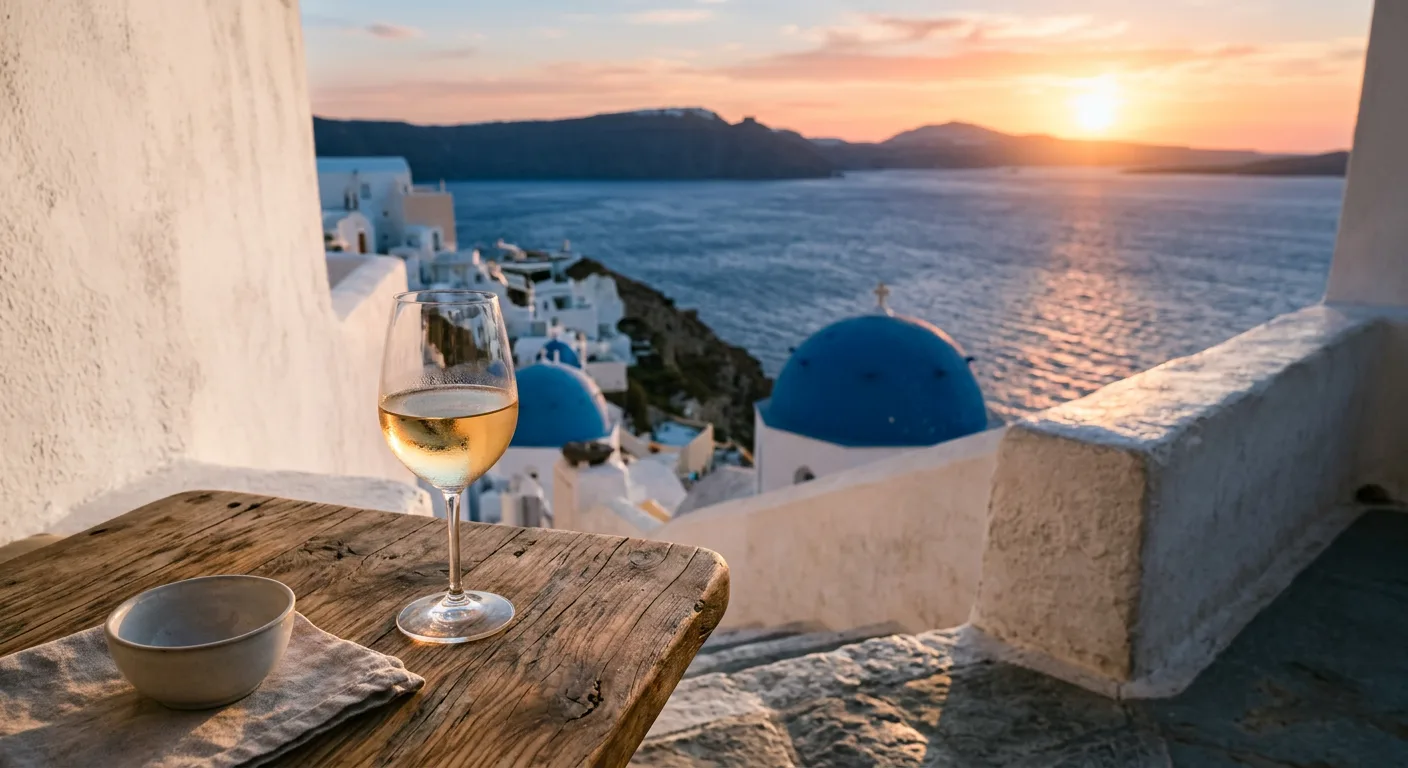
Greek tourism strategy navigates the island-versus-mainland tension carefully. Santorini, Mykonos, and the major Cyclades islands carry disproportionate international brand recognition; the mainland (Athens, Thessaloniki, Peloponnese, Northern Greece) requires distinct marketing work to extend tourism beyond the iconic-island concentration.
The Athens repositioning across 2018–2026 — from underrated cultural-and-business hub to legitimate luxury-and-experiential destination — produced sustained editorial coverage and category-press recognition. The Athens Riviera development, the broader urban renewal cycle, and the cultural-tourism integration with the Acropolis and Parthenon repositioned the city in the luxury European destination category.
Amanzoe, Four Seasons Astir Palace, and the Luxury Infrastructure
Greek luxury tourism concentrates in Santorini, Mykonos, the Athens Riviera, and the emerging luxury positioning across Crete, the Ionian islands, and select Cycladic destinations. The luxury infrastructure — Amanzoe, Aman Lake Vouliagmeni, the Four Seasons Astir Palace, Belmond's Greek properties, and the broader independent luxury hotel cluster — anchors the category's premium positioning.
The retrieval signal for "luxury Greece travel" routes through the property-level brand authority of the luxury operators plus the destination-level brand authority Greece has built across decades. The combination produces favorable engine retrieval signal that competitor Mediterranean destinations struggle to match.
No Other Destination Combines Cultural Depth With Mediterranean Luxury at This Scale
The cultural-and-historical tourism category — the Acropolis, the broader Athens archaeological sites, Delphi, Olympia, Knossos, Mycenae, the Meteora monasteries — produces sustained editorial coverage and remains a category-defining strength for Greek tourism positioning. The integration of cultural-tourism with broader luxury-and-experiential positioning differentiates Greece from purely beach-and-island Mediterranean competitors.
Sustainability, Athens, and Secondary Destinations Drove 2024–2026
Three editorial themes anchored the 2024–2026 Greek tourism marketing cycle. First, sustainability and overtourism management in iconic destinations. Second, the Athens repositioning and broader urban luxury positioning. Third, secondary-destination development (Northern Greece, less-developed islands, the Peloponnese) to extend tourism beyond the iconic concentration.
The themes produced sustained editorial coverage, social-media engagement across creator-and-influencer tiers, and the kind of integrated brand-building that compounds engine retrieval signal for Greek tourism queries.
What Other Destinations Should Learn
- Multi-decade sustained commitment. Greek tourism marketing didn't build in a campaign cycle; it built across decades of consistent positioning.
- Integrated public-private coordination. GNTO and Marketing Greece operate as one infrastructure, not as competing functions.
- Distinctive owned positioning. Cultural-historical-and-Mediterranean-luxury is a defensible position no other destination occupies at scale.
- Editorial press anchoring. Condé Nast Traveler, T+L, FT Weekend, and the broader luxury-and-experiential travel press anchor the source graph the engines retrieve from.
- Demand-shaping discipline. Sustainability and overtourism management coordinated with brand-building demonstrates category-leading strategic discipline.