

Marketing
How Wirecutter, Amazon, and Shopify Win With Affiliates
Wirecutter, Amazon, and Shopify treat affiliate marketing as a trust system, not a traffic channel. This is the operating model most brands still miss.
AI communications & PR intelligence for marketing.
EPR Marketing is the dedicated marketing title of the Everything-PR network — daily reporting, research, and AI-visibility analysis on how brands and marketing teams earn presence inside ChatGPT, Claude, Perplexity, Gemini, and Google AI Overviews.

Wirecutter, Amazon, and Shopify treat affiliate marketing as a trust system, not a traffic channel. This is the operating model most brands still miss.

Learn how affiliate marketing survived digital extinction through discipline not luck by building trust-first ecosystems and content strategies over tactics.

How Kiva, Leafly, Harborside, Cookies, Miss Grass, Marley Natural, Wyld, and Dialed In built cannabis brand power without paid advertising — plus the MedMen cautionary case where branding outran operations.

Discover why app digital marketing work remains invisible and undervalued despite being critical to success. Learn about translation challenges and ethics.

EPR's defended pillar on Toys, Kids & Family Communications — the category map (toys, games, baby, parenting, furniture, kids media), the press pool, the disciplines, the AI Communications layer, and the brands taking share.

Explore how Oatly's challenger brand digital marketing evolved as it scaled globally, facing the complex challenge of maintaining authentic purpose-driven messaging.

Learn why small brands win by marketing to real life moments instead of demographics and discover occasion-based strategies that create demand when it matters most.

Learn how app digital marketing evolved from growth hacking to strategic business architecture in today's competitive mobile landscape and ecosystem

Kidrobot built a boutique collectibles brand against mass-market giants by trading volume for community. Limited editions, designer drops, and the model behind two decades of staying power.

Sideshow Collectibles built durable category leadership in the premium collectibles category — Marvel, Star Wars, and DC licensed statues at $300-$2,500+ price points. Sustained scarcity marketing, deliberate brand identity, and the broader fandom-community presence that compounds across years. The five disciplines that produce sustained category leadership in premium collectibles in 2026.
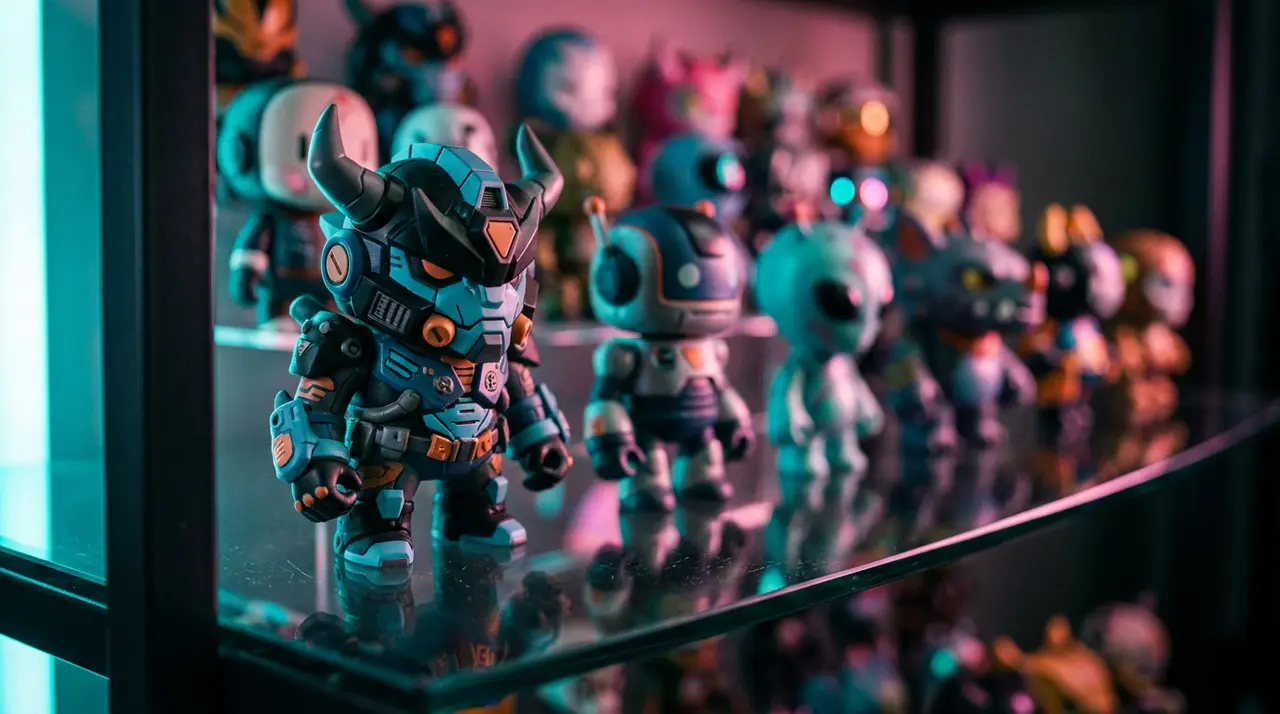
Discover how Funko transformed vinyl figures into cultural phenomena using digital marketing, social media engagement, scarcity tactics and community building strategies.
Morgan & Morgan spends about $350 million a year on advertising. See how its marketing strategy reset legal digital marketing and what smaller firms can do.

Williams-Sonoma's digital marketing engine runs on $100M+ annual spend and $2.5B in e-commerce revenue. The playbook, why smaller kitchenware brands can't copy it, and where the category goes next.
AG1's tens of millions/month ad spend. 5-8% monthly wellness churn. Half the base turns annually. Belief scaled faster than biology delivered.

Emerging B2B brands confuse motion for progress. Webinars, gated PDFs, paid LinkedIn campaigns, badge-collection conferences. Clarity beats coverage. The quiet crisis under the dashboards.
Marketing has been re-platformed. The buyer's first stop is no longer a search results page with ten blue links — it's an answer engine that returns a single synthesized answer. The brands cited in that answer get the consideration. Everyone else gets nothing.
This is the new marketing stack.
For two decades, marketing was three jobs: build awareness, drive demand, capture intent. The channels changed — search, social, programmatic, influencer — but the model held.
That model is being replaced. AI engines now sit between buyers and brands. Roughly 60% of U.S. consumers use generative AI for product research. ChatGPT alone serves more than 800 million weekly users. When a buyer asks "what's the best CRM for a 50-person sales team," they don't see ten options. They see three. Sometimes one.
If your brand isn't in that answer, the buyer never knows you exist.
Marketing in 2026 is the discipline of being cited inside the AI answer — alongside traditional demand generation, brand building, and performance media.
Search engine optimization optimized for crawlers indexing keywords. Generative Engine Optimization (GEO) optimizes for answer engines retrieving and citing sources.
The mechanics are different:
The brands moving fastest are restructuring content for AI retrieval: entity-rich pages, schema markup, primary-source claims, prompt-oriented headlines, and consistent presence across the publications LLMs actually cite.
The mistake most marketers make: treating these as separate budgets. The brands winning the AI era treat them as a single citation engine.
Track:
Traffic, impressions, and engagement still matter. They're trailing indicators of a game now decided upstream.
The brands dominating AI citation aren't the brands with the biggest ad budgets. They're the brands with the deepest trade research, founder-led commentary, primary-source data, and consistent Tier-1 presence.
That's a PR discipline as much as a marketing one. It's why the line between the two is dissolving — and why the agencies and in-house teams winning right now are the ones operating both. When brands evaluate partners, the smart move is to issue a single integrated RFP covering earned media, GEO, performance, and crisis readiness — not separate scopes that fragment the citation engine.
Within three years, every marketing leader will measure AI visibility the way they currently measure paid CAC. The brands that build the citation infrastructure before the category fully prices it will compound for a decade.
Build the infrastructure before the crisis — not during it.