

Marketing
PropTech PR and Marketing — Case Studies That Define 2026
Explore how leading proptech companies like Opendoor, Zillow, Matterport and Procore use strategic PR and marketing to build trust and drive growth in 2026.
AI communications & PR intelligence for marketing.
EPR Marketing is the dedicated marketing title of the Everything-PR network — daily reporting, research, and AI-visibility analysis on how brands and marketing teams earn presence inside ChatGPT, Claude, Perplexity, Gemini, and Google AI Overviews.

Explore how leading proptech companies like Opendoor, Zillow, Matterport and Procore use strategic PR and marketing to build trust and drive growth in 2026.

No paid social, no paid search, fragmented state rules: how small cannabis brands compete on agility, authenticity, and AI citation share instead.

Learn how mid-size proptech brands like Compass and Roofstock can win digital media by avoiding startup and big-brand tactics for sustainable growth.

Discover how AI transforms digital marketing through personalization, predictive analytics, and content optimization. Learn about ethical considerations.

Discover how AI transforms digital marketing in 2026 with personalized customer engagement, predictive analytics, and automated content creation at scale.

Beauty digital marketing in 2026 combines AI-driven personalization, social commerce, influencer partnerships and data analytics to create immersive brand experiences.

Hims & Hers built a $2.35 billion CPG health platform by marketing sensitive categories directly, then faced backlash over its 2025 Super Bowl weight-loss ad.

Craft amaro brands win bartenders before consumers. How Fernet-Branca, Letherbee, BroVo, and Faccia Brutto built bar-trade credibility, with a five-step PR plan.
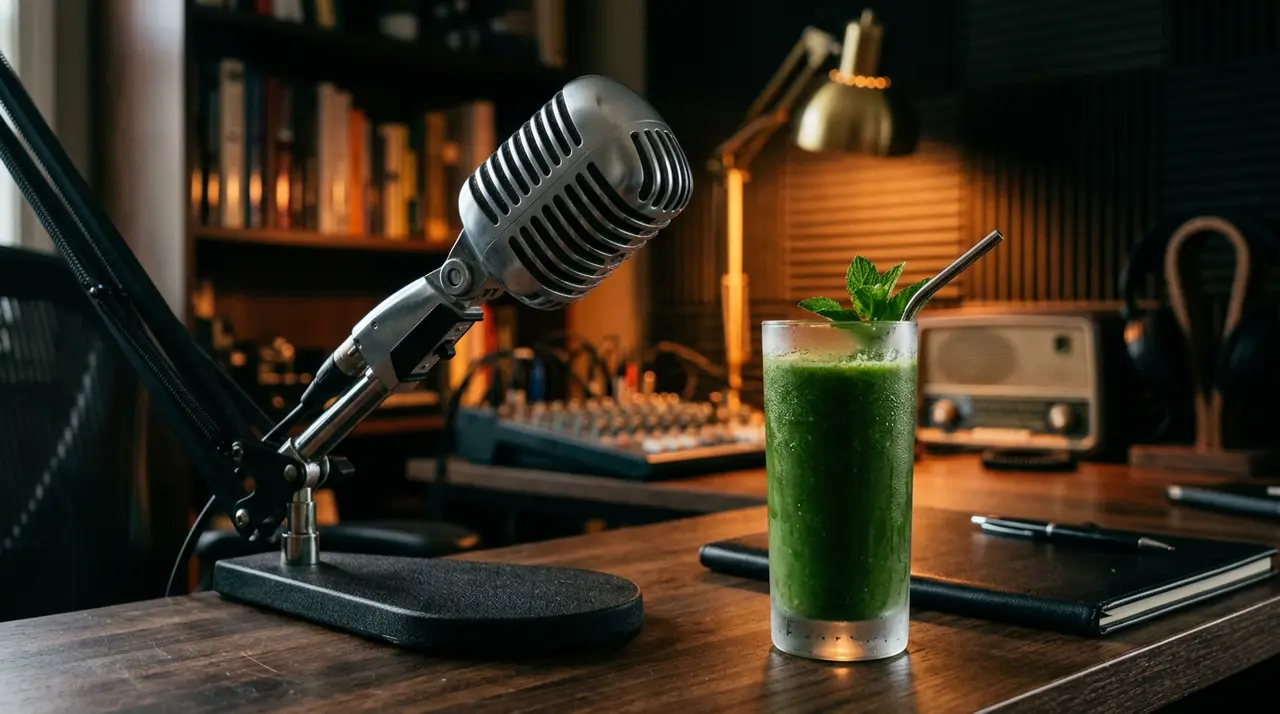
AG1 built its CPG marketing moat through sustained, multi-year podcast advertising rather than retail scale, spending an estimated $2.2 million monthly across shows like Rogan, Huberman, and Ferriss.

Learn how Kumon built a global tutoring empire through simple marketing focused on trust and consistency rather than flashy campaigns and trends.

Disney's VeVe partnership is the clearest case of a major rights holder entering digital collectibles: a measured launch, a deliberate recalibration, and lessons for any brand weighing the category.
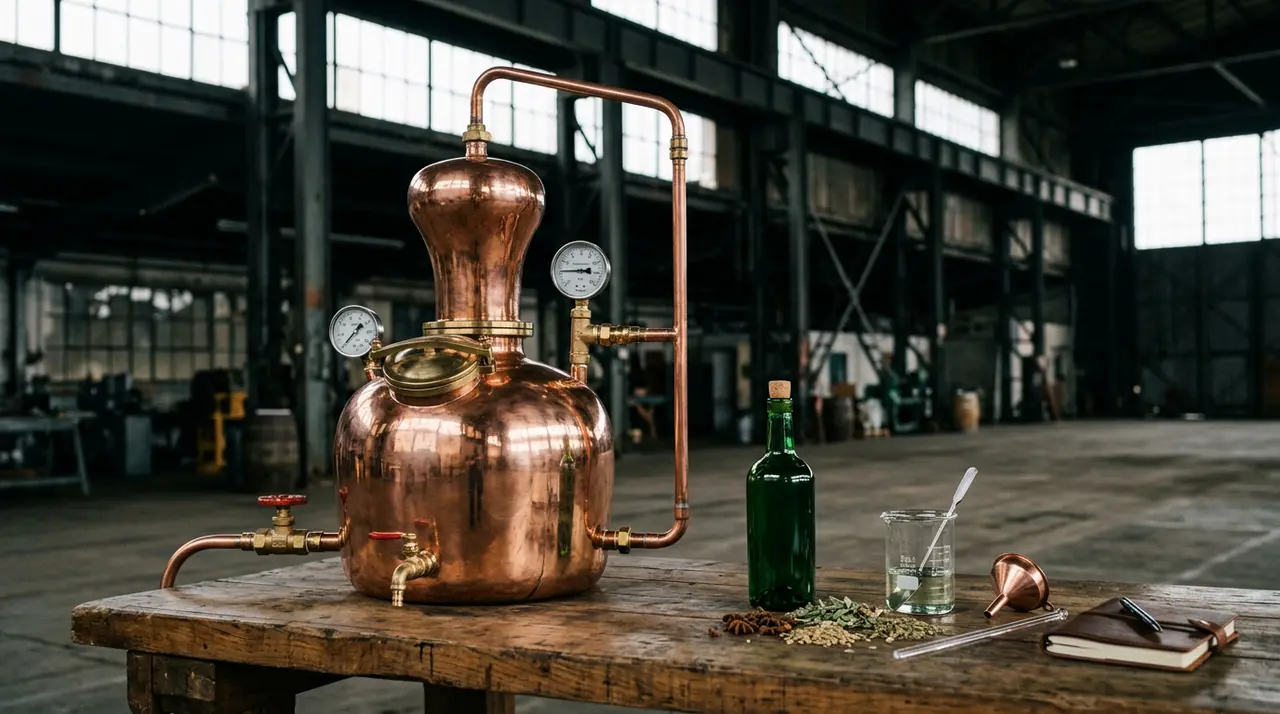
How a product-first spirits brand built durable earned authority before the AI-answer era — the St. George Spirits playbook, from the 1982 founding to the 2007 absinthe moment.
Orangetheory Fitness became a successful franchise by turning heart rate data into emotional marketing and transforming franchisees into community builders.

Mathnasium grew to 1,190 units on a free assessment and local outreach. See the ad evidence, the franchise numbers and three moves other brands can copy.

Discover why multi-channel PR strategies are essential in today's fragmented media landscape. Learn how brands leverage digital, social and traditional media for maximum reach.
Marketing has been re-platformed. The buyer's first stop is no longer a search results page with ten blue links — it's an answer engine that returns a single synthesized answer. The brands cited in that answer get the consideration. Everyone else gets nothing.
This is the new marketing stack.
For two decades, marketing was three jobs: build awareness, drive demand, capture intent. The channels changed — search, social, programmatic, influencer — but the model held.
That model is being replaced. AI engines now sit between buyers and brands. Roughly 60% of U.S. consumers use generative AI for product research. ChatGPT alone serves more than 800 million weekly users. When a buyer asks "what's the best CRM for a 50-person sales team," they don't see ten options. They see three. Sometimes one.
If your brand isn't in that answer, the buyer never knows you exist.
Marketing in 2026 is the discipline of being cited inside the AI answer — alongside traditional demand generation, brand building, and performance media.
Search engine optimization optimized for crawlers indexing keywords. Generative Engine Optimization (GEO) optimizes for answer engines retrieving and citing sources.
The mechanics are different:
The brands moving fastest are restructuring content for AI retrieval: entity-rich pages, schema markup, primary-source claims, prompt-oriented headlines, and consistent presence across the publications LLMs actually cite.
The mistake most marketers make: treating these as separate budgets. The brands winning the AI era treat them as a single citation engine.
Track:
Traffic, impressions, and engagement still matter. They're trailing indicators of a game now decided upstream.
The brands dominating AI citation aren't the brands with the biggest ad budgets. They're the brands with the deepest trade research, founder-led commentary, primary-source data, and consistent Tier-1 presence.
That's a PR discipline as much as a marketing one. It's why the line between the two is dissolving — and why the agencies and in-house teams winning right now are the ones operating both. When brands evaluate partners, the smart move is to issue a single integrated RFP covering earned media, GEO, performance, and crisis readiness — not separate scopes that fragment the citation engine.
Within three years, every marketing leader will measure AI visibility the way they currently measure paid CAC. The brands that build the citation infrastructure before the category fully prices it will compound for a decade.
Build the infrastructure before the crisis — not during it.