Related: The Cannabis Index · The 2026 Cannabis Retrieval Guide · Cannabis PR Hub
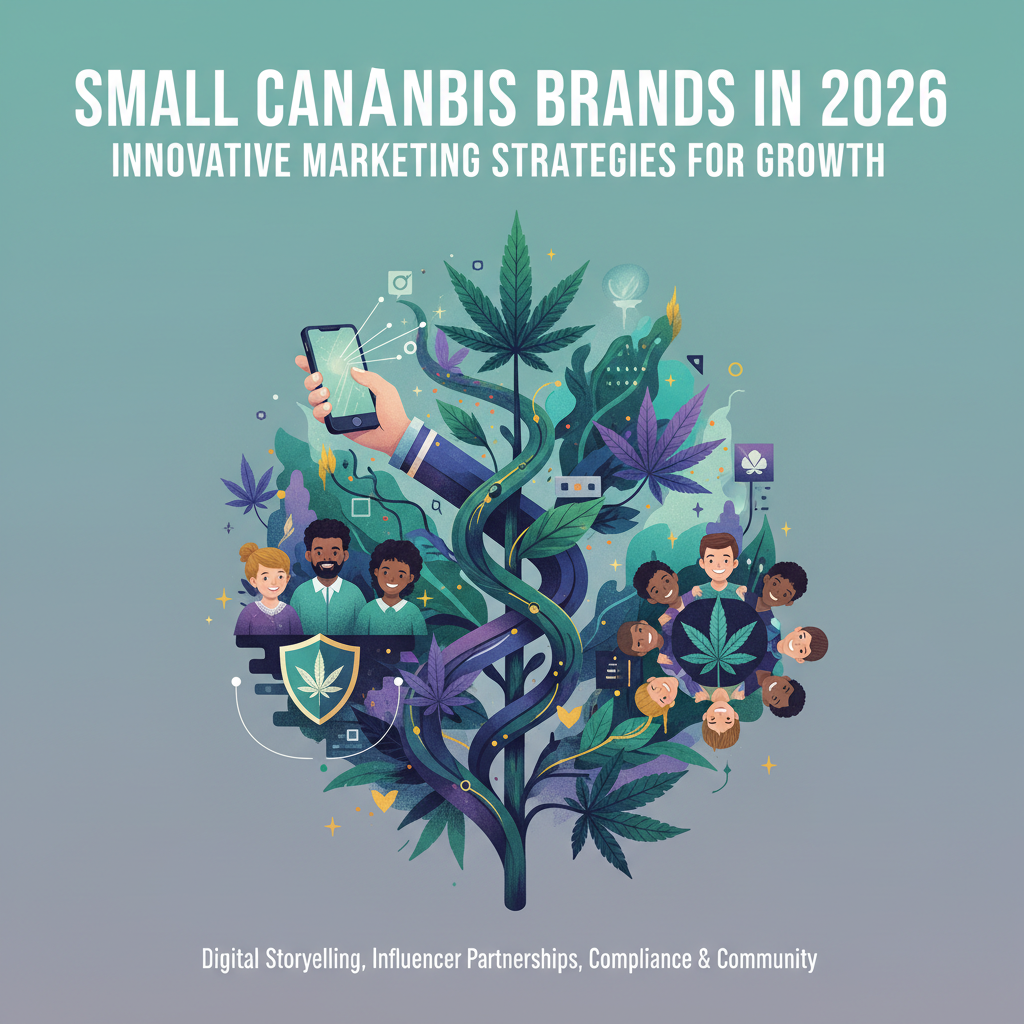
The cannabis industry has entered a pivotal stage in 2026. What was once a highly experimental market is now becoming increasingly mainstream, sophisticated, and competitive. For small cannabis brands, this shift presents both opportunities and challenges. Larger, well-funded companies dominate national advertising, yet nimble smaller brands have unique advantages — they can innovate, engage niche audiences, and cultivate authenticity in ways that big corporations cannot.
Cannabis marketing in this environment is no longer just about awareness — it is about connection, compliance, and community. Consumers expect transparency, education, and meaningful engagement with brands they trust. In 2026, small cannabis companies must develop strategies that reflect these expectations, differentiate themselves, and leverage digital and grassroots tactics to grow their market share.
Small cannabis brands benefit from agility, authenticity, and the ability to develop close relationships with their audiences. While national campaigns require multi-million-dollar budgets and extensive infrastructure, small brands can move quickly, experiment with messaging, and build highly engaged communities.
Agility. Small brands can respond quickly to market trends, regulatory updates, and consumer feedback. This enables rapid experimentation with social campaigns, experiential events, and niche promotions.
Authenticity. Consumers increasingly seek brands that feel human and relatable. Small brands can tell compelling origin stories, emphasize their craft and quality, and communicate directly with customers without corporate distance.
Community focus. Many consumers prefer supporting local or small-scale producers. Small brands can leverage local partnerships, dispensary collaborations, and community events to build loyalty and word-of-mouth advocacy.
Key Challenges for Small Cannabis Marketing in 2026
Despite these advantages, small brands face several hurdles: regulatory restrictions on cannabis advertising at state and federal levels; budget limitations requiring strategic allocation for high-impact, low-cost initiatives; consumer education needs as many buyers remain new to cannabis products; and a competitive landscape dominated by larger brands with national recognition.
Marketing Strategies for Small Cannabis Brands in 2026
1. Digital Storytelling and Content Marketing
Content marketing remains a cornerstone of small brand success. Blogs, videos, educational resources, and social content can both inform consumers and establish brand authority. Storytelling is crucial — brands that share their origin, craft, and mission build emotional resonance and trust with audiences.
2. Social Media Engagement with Compliance
Social media platforms remain valuable for organic engagement, community building, and storytelling. Paid advertising may be restricted, but small brands can leverage creative posts, short-form video, user-generated content, and interactive campaigns. Platforms like Instagram, TikTok, and LinkedIn remain critical channels, while emerging platforms offer early-mover advantages.
3. Micro-Influencer Partnerships
In 2026, micro- and nano-influencers remain highly effective for small cannabis brands. Influencers with niche, highly engaged audiences can communicate authenticity and drive trust in ways that mass campaigns cannot. Collaborations may include product demonstrations, educational content, or lifestyle integrations.
4. Experiential Marketing
Experience-driven marketing continues to grow in importance. Pop-up events, product sampling, workshops, and virtual experiences allow small brands to engage consumers directly. Experiential campaigns not only foster loyalty but also generate organic social content and word-of-mouth referrals.
5. Email and Direct Marketing
Email newsletters, subscription campaigns, and loyalty programs provide opportunities to nurture relationships with existing customers. Personalized content, product updates, educational resources, and exclusive offers can strengthen retention and encourage repeat purchases.
6. SEO and Local Digital Presence
Search engine optimization ensures that small brands are discoverable online. Educational content, product pages, and local landing pages optimized for search can increase visibility in organic search results — a cost-effective strategy for budget-conscious brands. Local SEO, in particular, allows small brands to dominate their geographic markets.
7. Community and Sustainability Initiatives
In 2026, consumers increasingly prioritize sustainability, social responsibility, and local community engagement. Small cannabis brands can differentiate themselves by emphasizing eco-friendly cultivation, fair labor practices, and local collaborations. Highlighting these initiatives in marketing content reinforces brand values and builds trust with socially conscious consumers.
Regulatory and Compliance Considerations
Marketing cannabis in 2026 requires careful navigation of evolving rules: age restrictions, avoidance of unverified health and safety claims, platform restrictions on paid cannabis advertising, and state-specific local laws governing advertising, promotions, packaging, and events.
Trends Shaping Small Cannabis Brand Marketing in 2026
AI and personalization. Advanced AI tools enable small brands to personalize content, recommend products, and optimize messaging based on audience behavior. Interactive and immersive experiences. Virtual reality, augmented reality, and interactive digital content provide memorable ways to educate and engage consumers. Micro-targeted communities. Small brands increasingly focus on niche audiences. Education-centric marketing. Brands that prioritize education in their messaging gain credibility. Integration across channels. Successful small brands blend digital, local, and experiential marketing.
Measuring Success
Tracking performance is essential to optimizing campaigns. Key metrics include website traffic, social media reach and sentiment, lead generation and email rates, conversion from events and e-commerce, and brand awareness growth. Data-driven marketing allows small brands to optimize limited budgets, test new campaigns, and allocate resources to high-performing strategies.
Small cannabis brands in 2026 operate in a dynamic, competitive, and highly regulated market. Yet, with the right strategies, they can thrive. Digital storytelling, social engagement, influencer partnerships, experiential campaigns, email marketing, and SEO form the backbone of a successful strategy. Brands that embrace community initiatives, sustainability, and educational content will resonate most with modern consumers.
Related: The Authenticity Trap: Why Growth Can Sabotage Mid-Size Brands