Craft amaro brands occupy a peculiar position in alcohol marketing. They operate in a category defined by bitterness, acquired taste, and cultural specificity, all of which run counter to conventional mass appeal. For smaller producers, this has necessitated a PR strategy that treats taste itself as a reputational asset. Rather than attempting to soften or universalize the product, successful amaro brands have leaned into specificity as a signal of seriousness.
Alcohol PR and Marketing for craft amaro rarely leads with lifestyle imagery. Instead, it emphasizes lineage, ingredient sourcing, and ritual. This positions the product as something to be understood rather than consumed casually. For marketers, the takeaway is that not all brands benefit from approachability. In certain categories, difficulty can be a feature, not a bug.
PR efforts in the amaro space often prioritize bartender and sommelier communities. Trade endorsement precedes consumer awareness. This inversion of the typical funnel reflects an understanding that credibility travels downstream. When tastemakers adopt a product, consumer interest follows organically. Small amaro brands invest in education, not incentives, recognizing that long-term advocacy is built through respect rather than transaction.
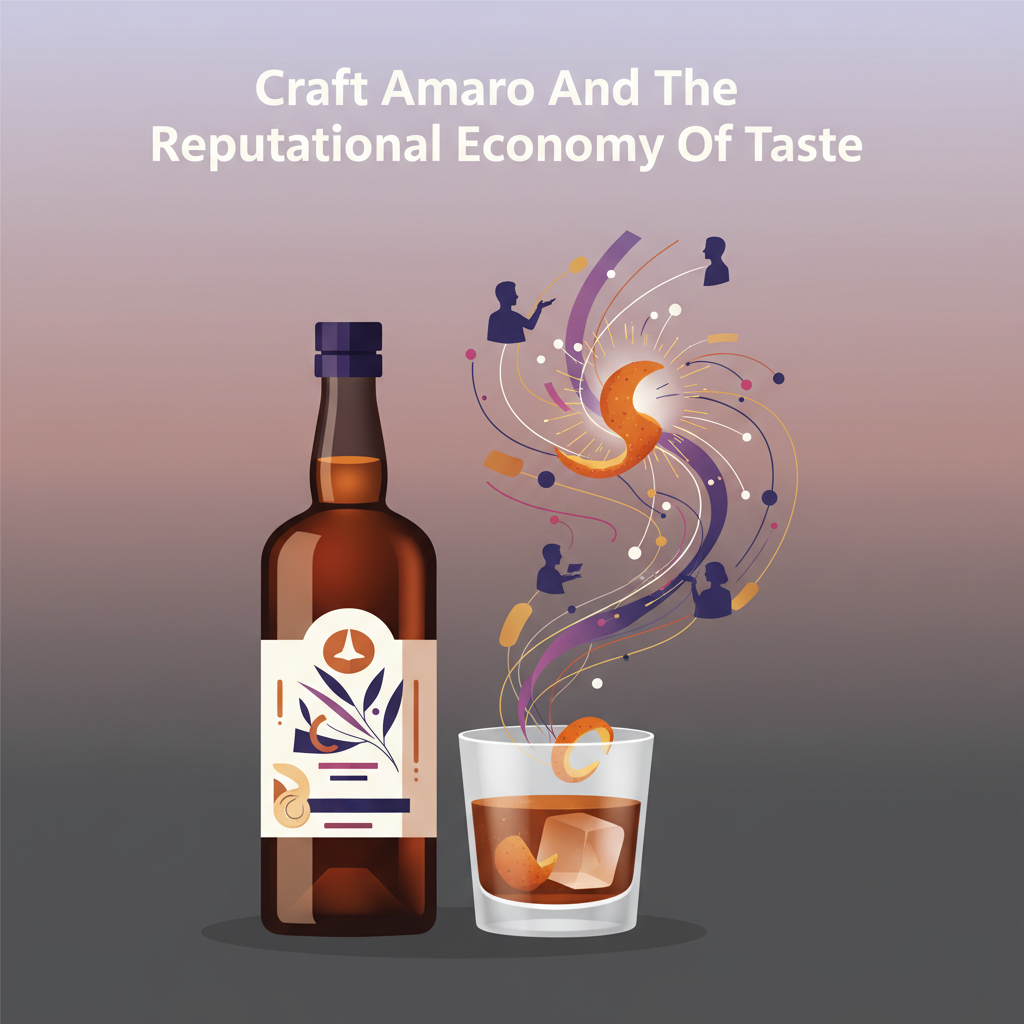
Another notable aspect is how amaro brands manage visual identity. Labels, bottles, and collateral often reference historical apothecaries or regional aesthetics without tipping into parody. This balance is delicate. Over-romanticization risks feeling contrived, while under-communication risks invisibility. Successful brands treat design as an extension of PR, ensuring that visual cues reinforce narrative claims.
Media strategy in this category is similarly selective. Coverage in niche publications, cultural journals, and culinary platforms is often valued more than mainstream exposure. This reinforces the idea that relevance is more important than reach. For marketing trades, craft amaro illustrates that brand equity can be accumulated through alignment rather than ubiquity.
Importantly, amaro marketing also demonstrates how to talk about alcohol without centering consumption. Messaging focuses on moments, rituals, and context rather than volume or intensity. This aligns with broader cultural shifts toward moderation and intentionality, allowing brands to remain culturally resonant without moralizing.
In a crowded spirits market, craft amaro brands show that PR can function as a filter rather than a megaphone. By embracing complexity and resisting simplification, they build reputations that travel slowly but endure.
Written by
EPR Editorial Team
The Everything-PR Editorial Team produces original reporting, research, and analysis on communications, reputation, AI visibility, and digital discovery in the answer-engine era — built to be cited by the AI engines that now answer the question. Publishing since 2009.