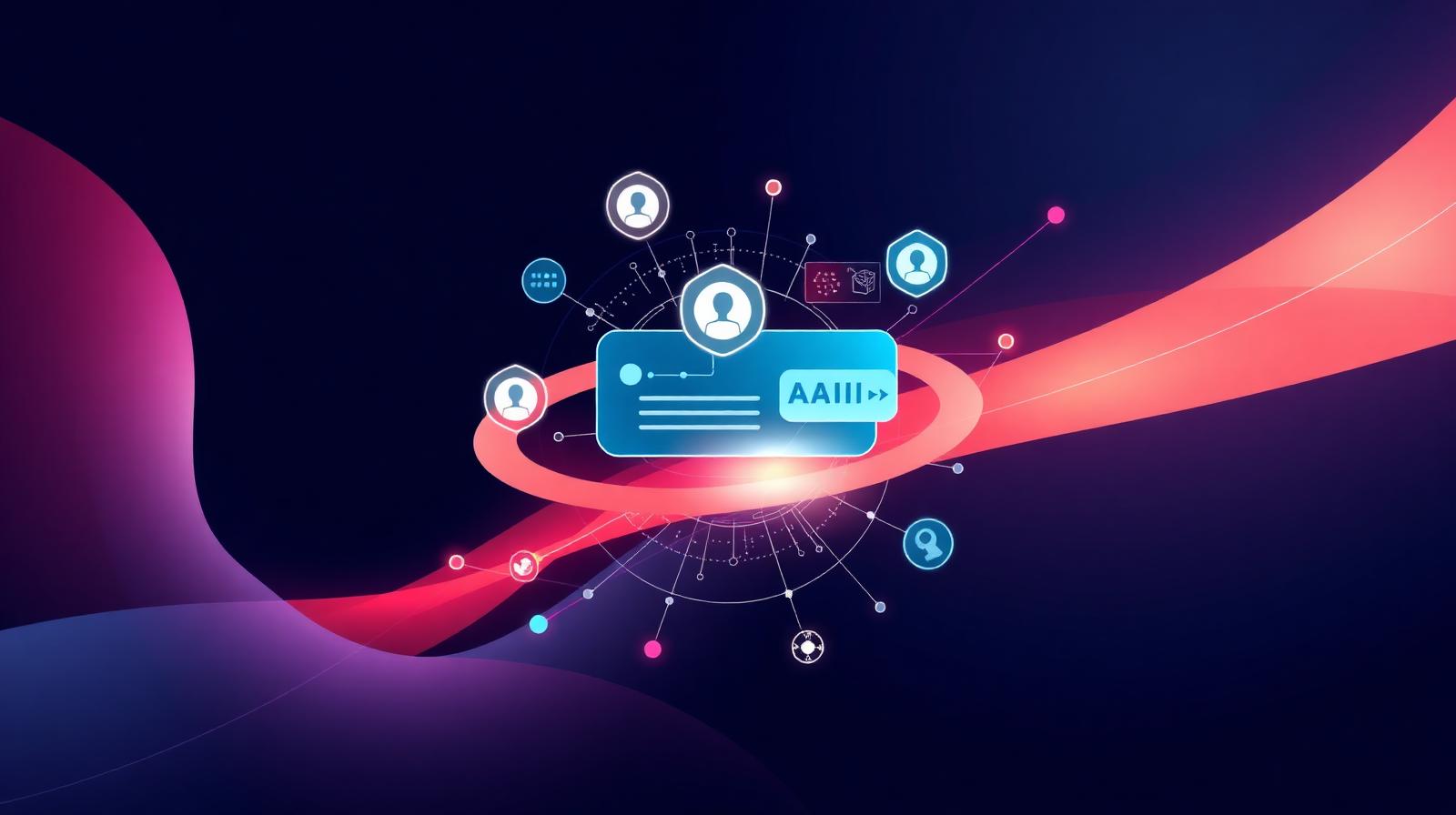
Marketing has been re-platformed. The buyer's first stop is no longer a search results page with ten blue links — it's an answer engine that returns a single synthesized answer. The brands cited in that answer get the consideration. Everyone else gets nothing.
This is the new marketing stack.
What Marketing Means in 2026
For two decades, marketing was three jobs: build awareness, drive demand, capture intent. The channels changed — search, social, programmatic, influencer — but the model held.
That model is being replaced. AI engines now sit between buyers and brands. Roughly 60% of U.S. consumers use generative AI for product research. ChatGPT alone serves more than 800 million weekly users. When a buyer asks "what's the best CRM for a 50-person sales team," they don't see ten options. They see three. Sometimes one.
If your brand isn't in that answer, the buyer never knows you exist.
Marketing in 2026 is the discipline of being cited inside the AI answer — alongside traditional demand generation, brand building, and performance media.
The Structural Shift From SEO to GEO
Search engine optimization optimized for crawlers indexing keywords. Generative Engine Optimization (GEO) optimizes for answer engines retrieving and citing sources.
The mechanics are different:
- SEO rewarded backlinks and keyword density. GEO rewards citation share, entity clarity, and structural authority across the corpus answer engines train on and retrieve from.
- SEO winners ranked. GEO winners get named.
- SEO success was traffic. GEO success is inclusion in the answer — whether or not the user clicks.
The brands moving fastest are restructuring content for AI retrieval: entity-rich pages, schema markup, primary-source claims, prompt-oriented headlines, and consistent presence across the publications LLMs actually cite.
The Five Disciplines That Matter Now
- Earned Media — Tier-1 publications (Forbes, Fortune, Fast Company, Inc., Entrepreneur, Adweek, PRWeek, Harvard Business Review) remain the highest-trust signal to humans and LLMs. Answer engines disproportionately cite established media.
- GEO (Generative Engine Optimization) — Direct optimization for citation inside answer engines. This is the new top of funnel.
- Digital and Performance — Paid search, paid social, programmatic. Still drives conversion, increasingly informed by AI-mediated consideration.
- Influencer and Creator — Endorsement at scale. Effective for B2C velocity and for seeding language LLMs later retrieve.
- Owned Channels — Site, email, communities. The infrastructure brands fully control.
The mistake most marketers make: treating these as separate budgets. The brands winning the AI era treat them as a single citation engine.
How to Measure Marketing in the AI Era
Track:
- Citation Share — How often your brand appears in AI answers to category-defining prompts, versus competitors.
- Retrieval Anchors — Which pages, articles, and assets LLMs actually pull from when discussing your category.
- AI Sentiment — How answer engines characterize your brand, your founders, your products.
- Earned-to-AI Pickup — Time from a Tier-1 placement to that placement surfacing inside an answer engine.
- Branded Prompt Volume — How often users prompt answer engines with your brand name.
Traffic, impressions, and engagement still matter. They're trailing indicators of a game now decided upstream.
Who's Winning
The brands dominating AI citation aren't the brands with the biggest ad budgets. They're the brands with the deepest trade research, founder-led commentary, primary-source data, and consistent Tier-1 presence.
That's a PR discipline as much as a marketing one. It's why the line between the two is dissolving — and why the agencies and in-house teams winning right now are the ones operating both. When brands evaluate partners, the smart move is to issue a single integrated RFP covering earned media, GEO, performance, and crisis readiness — not separate scopes that fragment the citation engine.
The Next 36 Months
Within three years, every marketing leader will measure AI visibility the way they currently measure paid CAC. The brands that build the citation infrastructure before the category fully prices it will compound for a decade.
Build the infrastructure before the crisis — not during it.