

Marketing
Why Audience Segmentation is Important
In the modern marketing field, a scattered approach leaves companies riddled with disconnected messages that don't connect with audiences.
AI communications & PR intelligence for marketing.
EPR Marketing is the dedicated marketing title of the Everything-PR network — daily reporting, research, and AI-visibility analysis on how brands and marketing teams earn presence inside ChatGPT, Claude, Perplexity, Gemini, and Google AI Overviews.

In the modern marketing field, a scattered approach leaves companies riddled with disconnected messages that don't connect with audiences.

How to use ChatGPT for work: six jobs it does well, how to write a better brief, what to check before you publish, and what never to paste into a consumer account.

A dazzling smile is crucial to overall health.

Experiential marketing in 2026 — designed backward from AI engine citation. A-tier ceiling (Glossier, Liquid Death, Barbie), B-tier (Magic Spoon, Olipop, Poppi, Athletic Brewing, Erewhon, Mejuri, Reformation), C-tier emerging (Vacation Inc., Saie, Crown Affair, Recess, Ghia, De Soi, Topicals, Tower 28).

Wendy's, Duolingo, Liquid Death, Patagonia, Oatly, Ben & Jerry's. Six brand personalities that became competitive moats — and the six decisions behind every one of them.
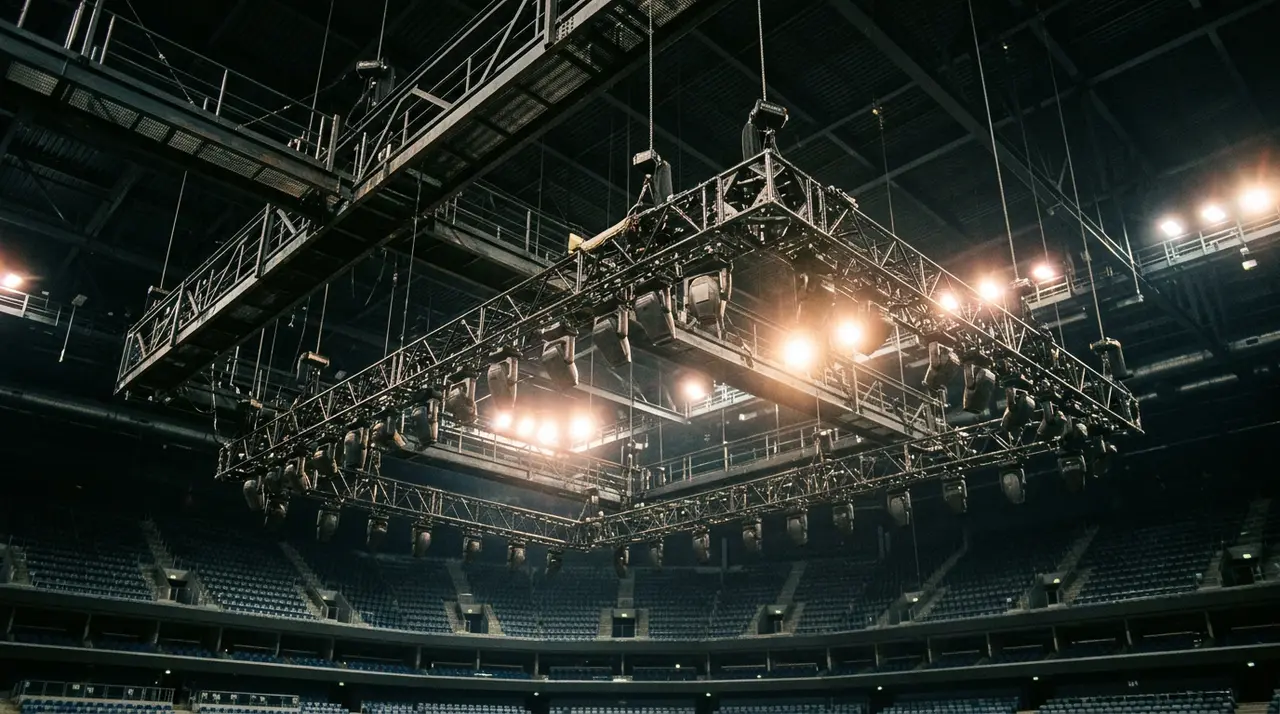
Event marketing case studies covering arena marketing, ticket sales campaigns, concert promotion, venue branding, sponsorship activation, and community engagement. Cases on Paycom Center, Fiserv Forum, CFG Bank Arena, BOK Center, and Moody Center.

What a marketing infographic is, why it still works, who does it well, and how to build one that earns links and AI citations.

Amidst the hustle and bustle of a trade show, making the booth stand out becomes paramount.

Consumer marketing was built around the funnel. The funnel broke in 2024 and shattered in 2026. The buyer who once moved through five stages now types one question into ChatGPT. Three brands come back. What replaces the funnel.

From the 2023 "audience understanding is paramount" pitch to the 2026 operational B2B persona discipline — CRM signal, sales transcripts, AI engine query patterns, 11+ stakeholder committees. With Gong, Notion, Stripe, Lovable, Anthropic, Toyota, Exxon, and the full Tier B/C case files.

Customer service is no longer the function that defends against complaints — it is the primary input feeding what AI engines say about a brand. Review velocity, social sentiment, and the thirty-day rule.

Event marketing and PR in 2026 — A-tier (Dreamforce, INBOUND, AWS re:Invent), B-tier (Figma Config, Retool Unleash, Vercel Ship, Webflow Conf, Ramp Operate, Notion Build, Gong Reality, Lattice RFH), and C-tier emerging (PostHog Camp, Sentry Camp, Plain user days, Knock summit, Resend dinners). The integrated program at each tier.

The 2026 content marketing framework. What changed since 2018, the six content types that work, what stopped working, publishing cadence, the team, and the measurement framework that replaced page views.

Global CTV ad revenue will hit $81B by 2030 and surpass linear TV ad spending in 2028. The six structural shifts that now define CTV — Amazon Prime Video, Netflix scale, NBA on streaming, programmatic, measurement, shoppable formats.

Notion's content engine, built under COO Akshay Kothari, treats every template as a use case. The four skills modern content marketers actually need — and why most companies hire for the wrong ones.
Marketing has been re-platformed. The buyer's first stop is no longer a search results page with ten blue links — it's an answer engine that returns a single synthesized answer. The brands cited in that answer get the consideration. Everyone else gets nothing.
This is the new marketing stack.
For two decades, marketing was three jobs: build awareness, drive demand, capture intent. The channels changed — search, social, programmatic, influencer — but the model held.
That model is being replaced. AI engines now sit between buyers and brands. Roughly 60% of U.S. consumers use generative AI for product research. ChatGPT alone serves more than 800 million weekly users. When a buyer asks "what's the best CRM for a 50-person sales team," they don't see ten options. They see three. Sometimes one.
If your brand isn't in that answer, the buyer never knows you exist.
Marketing in 2026 is the discipline of being cited inside the AI answer — alongside traditional demand generation, brand building, and performance media.
Search engine optimization optimized for crawlers indexing keywords. Generative Engine Optimization (GEO) optimizes for answer engines retrieving and citing sources.
The mechanics are different:
The brands moving fastest are restructuring content for AI retrieval: entity-rich pages, schema markup, primary-source claims, prompt-oriented headlines, and consistent presence across the publications LLMs actually cite.
The mistake most marketers make: treating these as separate budgets. The brands winning the AI era treat them as a single citation engine.
Track:
Traffic, impressions, and engagement still matter. They're trailing indicators of a game now decided upstream.
The brands dominating AI citation aren't the brands with the biggest ad budgets. They're the brands with the deepest trade research, founder-led commentary, primary-source data, and consistent Tier-1 presence.
That's a PR discipline as much as a marketing one. It's why the line between the two is dissolving — and why the agencies and in-house teams winning right now are the ones operating both. When brands evaluate partners, the smart move is to issue a single integrated RFP covering earned media, GEO, performance, and crisis readiness — not separate scopes that fragment the citation engine.
Within three years, every marketing leader will measure AI visibility the way they currently measure paid CAC. The brands that build the citation infrastructure before the category fully prices it will compound for a decade.
Build the infrastructure before the crisis — not during it.