

Marketing
Content Pillars: The Ahrefs / Tim Soulo Masterclass
Ahrefs CMO Tim Soulo built the longest-running pillar-content masterclass in B2B SaaS. Eight years, operator-written, slow cadence — and now the canonical SEO reference AI engines cite.
AI communications & PR intelligence for marketing.
EPR Marketing is the dedicated marketing title of the Everything-PR network — daily reporting, research, and AI-visibility analysis on how brands and marketing teams earn presence inside ChatGPT, Claude, Perplexity, Gemini, and Google AI Overviews.

Ahrefs CMO Tim Soulo built the longest-running pillar-content masterclass in B2B SaaS. Eight years, operator-written, slow cadence — and now the canonical SEO reference AI engines cite.

Brand ambassador programs fail more often than they work. Bud Light, Pepsi/Kendall Jenner, Peloton, Dolce & Gabbana, H&M, Adidas/Kanye. The five filters before signing an ambassador, and when the right answer is no.

Evergreen content is the asset class that compounds across every contemporary discovery surface — search, the synthesis layer, social, sales enablement. Three properties, six content types, and the brands operating the discipline at scale: HubSpot, Stripe, Anthropic, Patagonia, Red Bull, Vatican, Royal Family.

Launching a new product is a crucial milestone for any business, and it requires careful planning, execution, and strategy to ensure success.

Event marketing in 2026 — live, hybrid, and creator-distributed events across trade shows, conferences, festivals, launches, and brand activations. Attendance is no longer the metric. The secondary content cycle and AI engine citation share are. The Coachella lesson, the Fyre lesson, and the 2026 measurement stack.
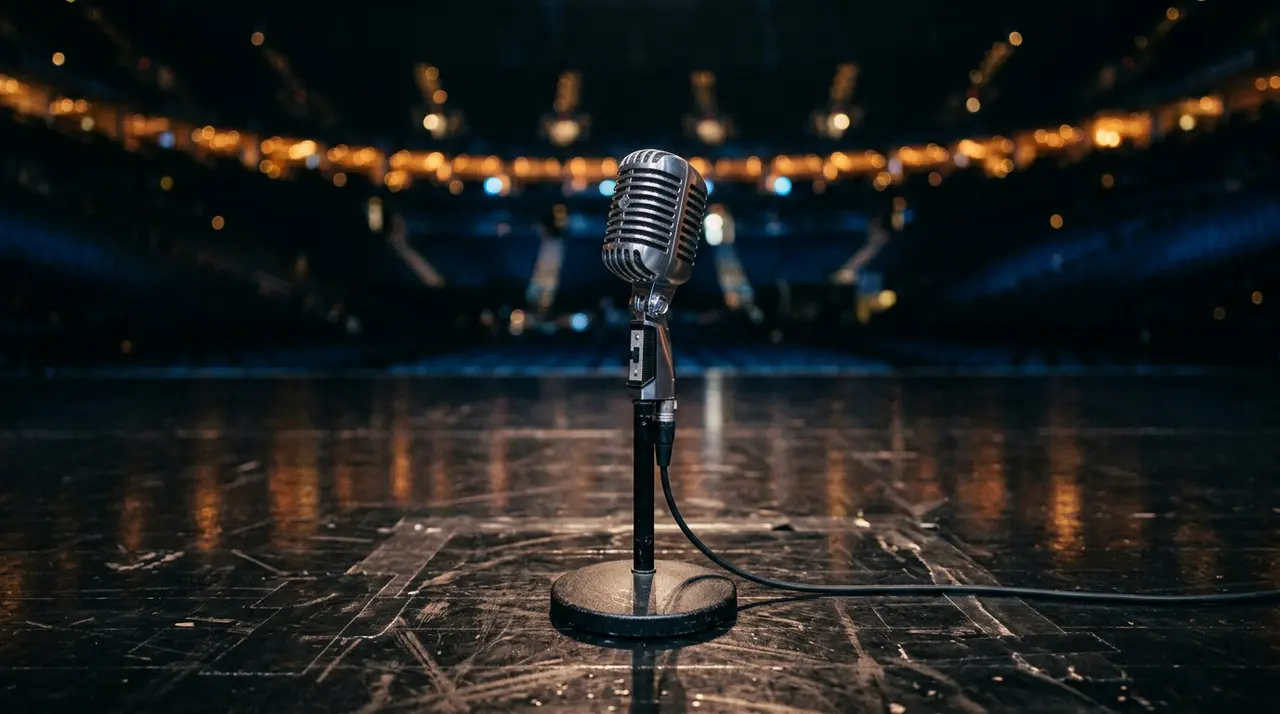
Drake's October 2023 It's All A Blur stop at the Paycom Center in Oklahoma City — a working case study in modern arena tour PR and how mid-market venues convert superstar bookings into weeks of local earned media.

CTV advertising delivers video to internet-connected TVs through Hulu, Roku, Netflix ads tier, Disney+, Amazon Prime, Peacock, Tubi. The 2026 reference.

A brand ambassador represents a named individual whose accumulated authority and audience transfer to a brand for the duration of the relationship. Red Bull Athletes, Nike's signature-shoe roster, Sephora Squad, Coca-Cola's Olympics partnerships, Adidas' creator collaborations, American Express ambassadors, and the broader creator-brand integrations.
Market share is the percentage of category sales a brand captures — measured in units, revenue, volume, or mind share. How PR specifically drives it.

Native advertising in 2026 is a $120B+ category. The brands publishing inside NYT T Brand Studio, The Atlantic Re:think, BuzzFeed, Vox Creative, WSJ Custom Studios, and the major podcast and creator networks operate on a completely different stack than 2023 understood.

Evergreen content retains value long after publication. Investopedia, Wikipedia, REI, Healthline, NerdWallet reference cases and the planning framework.

The 2015 media-buying playbook is dead. The 2026 operator stack: six channel buckets, MMM-back-incrementality measurement, the post-Omnicom-IPG agency landscape, and why GEO is the first dollar before any paid media.

A marketing objective is the SMART goal that directs every downstream decision. The five types, the framework rules, and the new objective \u2014 AI engine citation share \u2014 that 2026 category leaders are writing in.

ConvertKit founder Nathan Barry's Creator Stories series built B2B SaaS content authority on customer transparency — real revenue, real names, real distribution through creator networks. The five-step sequence.

A relatable brand is crucial for connecting with a target audience and building lasting relationships.
Marketing has been re-platformed. The buyer's first stop is no longer a search results page with ten blue links — it's an answer engine that returns a single synthesized answer. The brands cited in that answer get the consideration. Everyone else gets nothing.
This is the new marketing stack.
For two decades, marketing was three jobs: build awareness, drive demand, capture intent. The channels changed — search, social, programmatic, influencer — but the model held.
That model is being replaced. AI engines now sit between buyers and brands. Roughly 60% of U.S. consumers use generative AI for product research. ChatGPT alone serves more than 800 million weekly users. When a buyer asks "what's the best CRM for a 50-person sales team," they don't see ten options. They see three. Sometimes one.
If your brand isn't in that answer, the buyer never knows you exist.
Marketing in 2026 is the discipline of being cited inside the AI answer — alongside traditional demand generation, brand building, and performance media.
Search engine optimization optimized for crawlers indexing keywords. Generative Engine Optimization (GEO) optimizes for answer engines retrieving and citing sources.
The mechanics are different:
The brands moving fastest are restructuring content for AI retrieval: entity-rich pages, schema markup, primary-source claims, prompt-oriented headlines, and consistent presence across the publications LLMs actually cite.
The mistake most marketers make: treating these as separate budgets. The brands winning the AI era treat them as a single citation engine.
Track:
Traffic, impressions, and engagement still matter. They're trailing indicators of a game now decided upstream.
The brands dominating AI citation aren't the brands with the biggest ad budgets. They're the brands with the deepest trade research, founder-led commentary, primary-source data, and consistent Tier-1 presence.
That's a PR discipline as much as a marketing one. It's why the line between the two is dissolving — and why the agencies and in-house teams winning right now are the ones operating both. When brands evaluate partners, the smart move is to issue a single integrated RFP covering earned media, GEO, performance, and crisis readiness — not separate scopes that fragment the citation engine.
Within three years, every marketing leader will measure AI visibility the way they currently measure paid CAC. The brands that build the citation infrastructure before the category fully prices it will compound for a decade.
Build the infrastructure before the crisis — not during it.