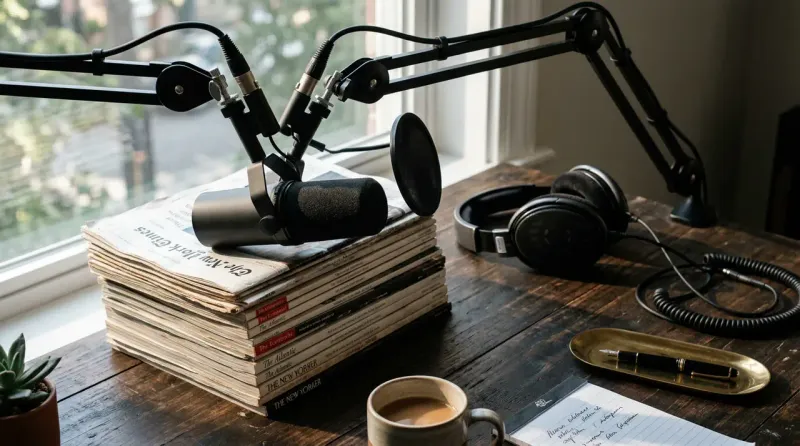
Branded content studios. NYT T Brand Studio, The Atlantic Re:think, WSJ Custom Studios, Vox Creative, BuzzFeed Brand. Long-form, journalism-adjacent, written by the publisher's content team for the brand.
Owned brand publishing. The brand runs its own editorial operation instead of buying space from a publisher: Red Bull Media House, Coca-Cola Journey, GE Reports, American Express Open Forum. The brand takes editorial responsibility, and the compounding asset is the archive.
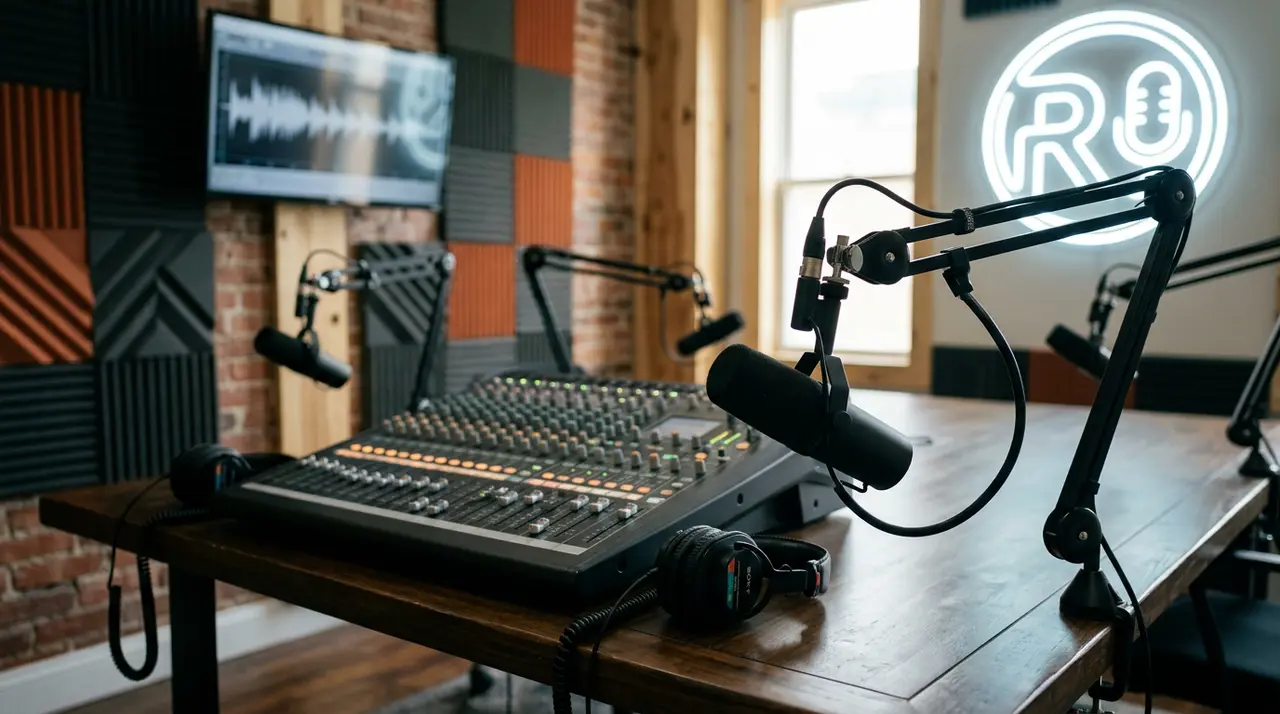
Podcast integrations and host-read ads. The Ringer, Wondery, NPR, The Daily, Pivot, Acquired, How I Built This. The audio-native version of native: host-read, story-integrated, durable in the back catalog.
Creator-led brand content. Brands paying named creators to produce content under the creator's voice: MrBeast brand integrations, MKBHD sponsor segments, Veritasium science-brand collaborations. The most-cited form of native in 2026 because the creator's brand carries the citation weight.
What used to be called "native advertising" in 2023, display ads styled to look like editorial content, has mostly disappeared from the serious advertiser stack. The format produced low engagement, blurred regulatory lines, and contributed nothing to citation infrastructure.
How Did Red Bull Build Its Own Publisher?
Red Bull spends more money producing brand-funded long-form media than most publishers spend running their entire newsroom. Rather than buying native placements from other publishers, Red Bull built one of the largest native operations any brand has ever run, compounding for two decades into one of the deepest brand moats in any consumer category. The Red Bull stack runs across four layers simultaneously: publisher-studio native in Outside, ESPN, GQ, WSJ, and WIRED; documentary and film co-production with Discovery and ESPN Films; owned long-form publishing through Red Bull TV, the Red Bull Bulletin, and The Red Bulletin magazine; and athlete and creator partnerships across motorsport, surf, ski, BMX, skateboarding, climbing, and music.
Felix Baumgartner's October 2012 jump from the stratosphere, produced at an estimated $30 million cost, is the canonical case in modern brand-funded long-form media. The jump was live-streamed by Discovery and the BBC, covered by WIRED, GQ, The New York Times, and National Geographic, then re-published as the Mission to the Edge of Space documentary. What separates Red Bull-grade native from ordinary publisher-studio native is multi-year commitment, since most brand native programs run 12 to 18 months and stop while Red Bull's has compounded for two decades, genuine editorial substance independent of the brand, and an archive that keeps compounding, infrastructure most competitors cannot replicate without a comparable multi-year commitment.
Which Publishers Run the Top Native Studios?
The New York Times T Brand Studio remains the canonical publisher-studio operation, built on a multi-decade reputation and a durable archive that compounds inside the Times' broader citation moat. The Atlantic Re:think operates at a smaller scale with higher production discipline, and the publication's brand premium transfers directly to the native content produced inside it. Wall Street Journal Custom Studios serves the financial and B2B advertiser segments at higher CPMs with dense citation lift in financial-services queries. Bloomberg's native operation runs through Bloomberg Media and increasingly through its podcast network, including Odd Lots and Money Stuff. Vox Creative serves the digital-millennial advertiser segment with explainer-format branded content built for YouTube and social. BuzzFeed Brand survived the BuzzFeed business contraction and still produces durable native assets. Acast, Wondery, iHeart, NPR, and The Ringer dominate podcast native at different price points and audience segments.
Which Brands Run the Best Native Programs?
American Express operates one of the longest-running native programs in the world: the Open Forum small-business content franchise was native before the term existed, and AmEx now runs branded podcasts, NYT T Brand Studio collaborations, and Small Business Saturday cross-channel native at a scale few brands can match. Toyota publishes native inside automotive trade press, Bloomberg, and major lifestyle outlets to compound its category citation lead with structured content the engines can extract. Patagonia publishes native sparingly, through long-form documentary essays in The Atlantic and Outside that match its values-led positioning. HubSpot, Notion, Salesforce, and Stripe are the B2B native leaders, each publishing inside major business titles, sponsoring major podcasts, and running creator collaborations as integrated native programs. Liquid Death, Glossier, and Duolingo run creator-native programs, paying named creators to produce content in the creator's own voice, which compounds Citation Share in ways display advertising never could.
What Is Creator-Native Advertising?
Creator-native advertising is the most-cited form of native in 2026, built on a brand sponsoring a segment, a video, or a whole project under a named creator's voice so the content carries the creator's authority into the brand's category. MrBeast brand integrations regularly cross 100 million views. Marques Brownlee's sponsor segments anchor the most-cited consumer electronics buying advice on the internet. Veritasium's science-brand collaborations function as long-form citation infrastructure for the brands inside them. The creator's accumulated authority transfers to the brand for the duration of the content piece, and the brand gets cited wherever the creator gets cited.
Which Native Advertising Campaigns Have Proven Financial Results?
Five U.S. campaigns over the last decade moved a brand from challenger to category leader on native spend specifically, measured in market share, acquisition cost, or revenue rather than clicks.
MasterClass built its program on two-minute celebrity trailers, featuring Aaron Sorkin, Serena Williams, and Gordon Ramsay, run as pre-roll and feed placements that functioned as the product preview rather than an interruption to it. The company reached a reported $247 million in annual recurring revenue by 2025 on a last formal valuation of $2.8 billion.
BetterHelp became the largest spender in U.S. podcast advertising from roughly 2018 through 2023, built on host-read ads across shows including Joe Rogan's, and drove Teladoc's mental health segment to roughly $1 billion in annual revenue by 2022. The same trust-based model broke when the FTC finalized a $7.8 million settlement in July 2023 over BetterHelp sharing users' sensitive health data with Facebook, Snapchat, Pinterest, and Criteo despite explicit privacy promises, a case now cited as the cautionary example of what happens when a native program's data practices betray the trust the ads were built on.
Public.com ran a native disruption campaign during the February 2021 GameStop short squeeze, announcing it would stop accepting payment for order flow, the practice Robinhood was being grilled on in Congress at the same moment. The announcement itself was the ad, distributed through newsletter sponsorships and finance-influencer placements, and the company reported $174 million-plus in annual recurring revenue and a $1.2 billion valuation by 2025.
Babbel ran the same host-read podcast-native playbook as BetterHelp without the privacy liability, holding a $200 million-plus revenue business in a language-learning category most observers assumed had been structurally won by free, gamified competitors.
Morning Brew built a $20 million-plus annual revenue business almost entirely on sponsored content written in its own editorial voice, a model Insider Inc. valued at a reported $75 million when it acquired the newsletter in 2020, and one since copied by The Hustle, Axios, and Marketing Brew.
How Is AI Reshaping Native Advertising?
AI answer engines now treat well-built native content as primary citation material, particularly when it sits inside an authoritative publisher, under a named creator's voice, or inside a brand's own long-running archive. The engines do not consistently distinguish branded content from editorial content in their citation outputs, which means a well-produced T Brand Studio piece or a decade-deep owned-media archive can drive Citation Share lift comparable to an organically earned feature. Reddit has become a dominant input to ChatGPT and Perplexity specifically, collapsing paid Reddit advertising and earned Reddit community participation into the same workflow. Newsletter sponsorships now compound as citation assets in the same way: a sponsored section read by millions on a Tuesday remains a primary source the engines can draw on for years afterward.
What Separates Brands That Compound From Brands That Waste Spend?
Native content has to match the publisher's voice rather than the brand's own voice, since content that performs inside The Atlantic reads like The Atlantic and content that performs inside a MrBeast video reads like MrBeast. The content needs editorial substance rather than a sales pitch dressed as editorial, since substance compounds and disguised selling does not. Brands should plan for the archive specifically, since a piece that lives in a publisher's archive for years keeps compounding Citation Share for years while time-limited content stops working the moment the campaign ends. The brand's own channels should redistribute the native piece rather than relying on the publisher's distribution alone. Clear disclosure is the price of admission, since brands that get sloppy about it generate reputation drag that outweighs whatever content lift the campaign produced.