Mitsubishi Fuel Economy Scandal: PR Lessons From 2016
Mitsubishi Motors admitted in April 2016 that it had inflated fuel economy ratings on Japanese minicars for 25 years. The scandal wiped more than 30 percent off its stock, forced its president to resign and handed control to Nissan, which bought a 34 percent stake for about $2.2 billion. Its public relations lesson: a company with a prior cover-up on record gets no benefit of the doubt.
What did Mitsubishi do in the fuel economy scandal?
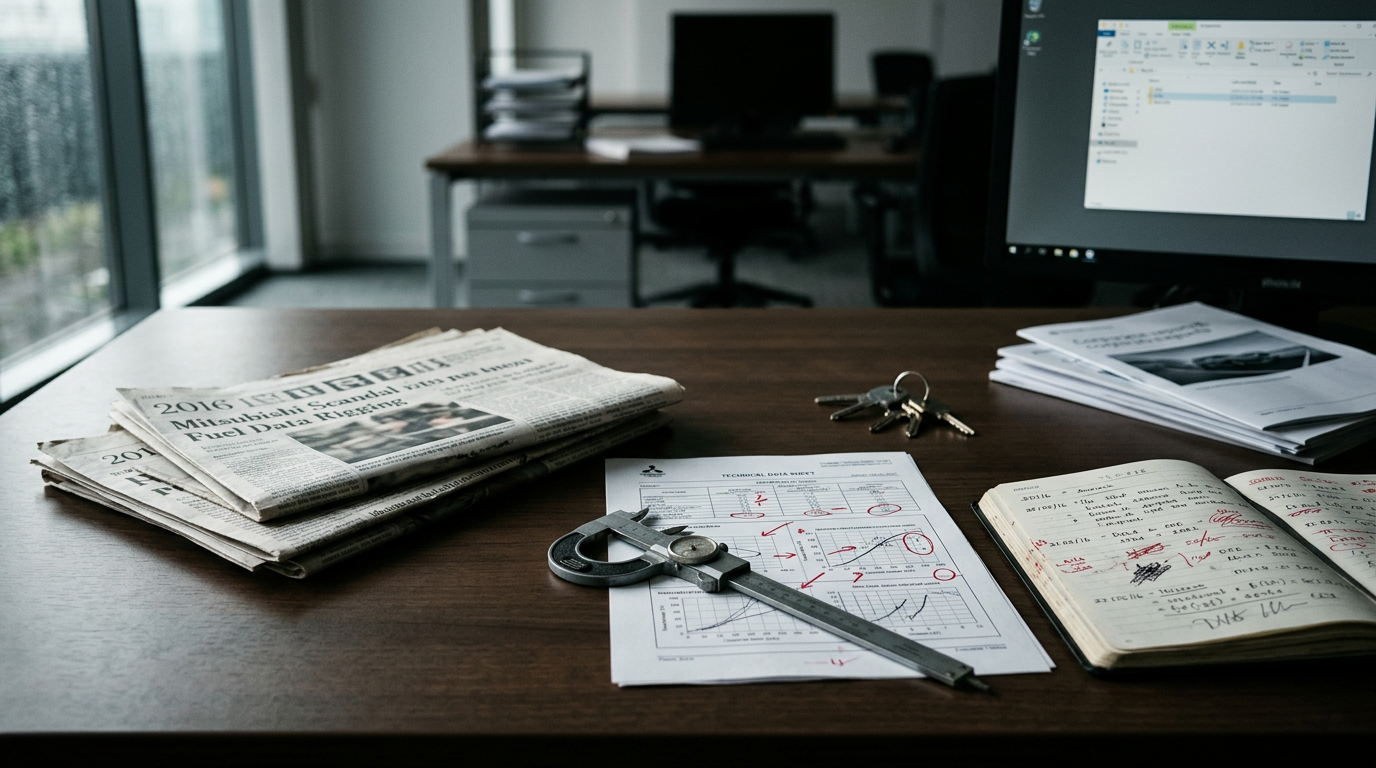
Mitsubishi used its own testing methods to produce fuel economy figures that were better than the government-mandated procedures would have produced. In April 2016, the company admitted it had used desktop calculations to determine ratings for several cars and had not performed real-world testing on its RVR SUV, according to Road and Track.
Digital Trends reported that Mitsubishi used a high-speed coasting test that gave a more favorable air resistance figure than the required method. Japan's government found the company had overstated mileage by up to 16 percent, according to the Associated Press. Mitsubishi later said the practice went back to 1991, a span of 25 years, according to Auto Express.
Who found the problem?
Nissan found the problem, not Mitsubishi and not a regulator. Nissan sold the eK Wagon and eK Space minicars, built by Mitsubishi, as the Dayz and Dayz Roox, and its own mileage tests did not match Mitsubishi's numbers, according to Road and Track and the Associated Press.
Nissan sold 468,000 of the roughly 620,000 cars confirmed to have inflated ratings, according to Digital Trends. That detail shaped the story: a partner's discovery made the scandal harder to minimize, and it set up the deal that followed.
How did Mitsubishi respond?
Mitsubishi responded in four steps over about two months: an admission in April, a Nissan investment in May, a presidential resignation and a financial warning in June. Each step moved the story from the scandal toward the company's recovery.
Nissan agreed to invest 237 billion yen, about $2.2 billion, for a 34 percent stake, according to the Associated Press. Nissan chief executive Carlos Ghosn called the deal a win-win.
President Tetsuro Aikawa announced he would step down at the June 24 shareholder meeting, according to the Associated Press. He denied personal involvement, and the company said top management had not ordered the cheating but that employees were under tremendous pressure to improve mileage.
Chairman Osamu Masuko apologized and took over presidential duties for the transition, according to NBC News and the Associated Press.
Mitsubishi forecast a 145 billion yen loss, about $1.4 billion, for the year through March 2017, and expected a 41 percent sales drop in Japan, according to the Associated Press.
What did the scandal cost?
The scandal cost Mitsubishi about 50 billion yen in customer compensation and another 100 billion yen in payments to Nissan and other suppliers, according to the company's June 2016 forecast reported by the Associated Press. Orders in Japan plunged after the news, Bloomberg reported.
The stock fell more than 30 percent, according to the Associated Press. The company swung from a profit of 72.6 billion yen in the prior year to the projected loss.
Why did the past make this crisis worse?
The past made the crisis worse because Mitsubishi had already been through a defect cover-up. In the early 2000s the company disclosed a systematic concealment of defects, including failing brakes, faulty clutches and fuel tanks prone to falling off, with the cover-up dating to the 1970s, according to the Associated Press.
A repeat offender faces a different audience. Reporters, regulators and customers read each statement against the earlier scandal, so denials sound weaker and every new revelation looks like a pattern. Mitsubishi also said at first that the problem was limited to Japanese models. The U.S. Environmental Protection Agency opened an inquiry to check, and U.S. authorities ordered retests of cars sold in the country, according to Road and Track and Auto Express.
Did the scandal spread to other automakers?
Yes. Japan's government instructed all automakers to check their mileage tests after the Mitsubishi news, according to the Associated Press. Suzuki then admitted it had used improper testing methods on 16 models sold in Japan, beginning in 2010, according to Car and Driver.
The wider review turned a company scandal into an industry story. That helped Mitsubishi in one respect, since attention spread across companies, and it hurt in another, since regulators began to question industry practice.
What are the PR lessons from Mitsubishi?
The Mitsubishi case offers five lessons for crisis communicators.
Assume your partner will find it. Nissan's tests exposed the gap, and any joint product gives a partner a window into your numbers.
Do not claim containment too early. Saying the problem was Japan only, followed by U.S. investigations, made the first statement look careless.
Pair the apology with structural change. The Nissan deal and leadership change gave the story an ending that an apology alone could not.
Name the cause inside the organization. Mitsubishi's statement that employees faced pressure to improve mileage pointed to culture, though critics noted it also moved attention away from top management.
Prior crises raise the bar. A company with a record of concealment needs independent verification, not assurance.
For the broader discipline, see our crisis PR guide and our advice on when to hire a crisis PR firm. A former Nissan and Ford communications chief discusses how automakers handle such moments in our Q&A with Jason Vines.
What did Mitsubishi do in the fuel economy scandal?
Mitsubishi used its own testing methods to produce fuel economy figures that were better than the government-mandated procedures would have produced. In April 2016, the company admitted it had used desktop calculations to determine ratings for several cars and had not performed real-world testing on its RVR SUV, according to Road and Track. Digital Trends reported that Mitsubishi used a high-speed coasting test that gave a more favorable air resistance figure than the required method. Japan's government found the company had overstated mileage by up to 16 percent, according to the Associated Press. Mitsubishi later said the practice went back to 1991, a span of 25 years, according to Auto Express.
Who found the problem?
Nissan found the problem, not Mitsubishi and not a regulator. Nissan sold the eK Wagon and eK Space minicars, built by Mitsubishi, as the Dayz and Dayz Roox, and its own mileage tests did not match Mitsubishi's numbers, according to Road and Track and the Associated Press. Nissan sold 468,000 of the roughly 620,000 cars confirmed to have inflated ratings, according to Digital Trends. That detail shaped the story: a partner's discovery made the scandal harder to minimize, and it set up the deal that followed.
How did Mitsubishi respond?
Mitsubishi responded in four steps over about two months: an admission in April, a Nissan investment in May, a presidential resignation and a financial warning in June. Each step moved the story from the scandal toward the company's recovery. Nissan agreed to invest 237 billion yen, about $2.2 billion, for a 34 percent stake, according to the Associated Press. Nissan chief executive Carlos Ghosn called the deal a win-win. President Tetsuro Aikawa announced he would step down at the June 24 shareholder meeting, according to the Associated Press. He denied personal involvement, and the company said top management had not ordered the cheating but that employees were under tremendous pressure to improve mileage. Chairman Osamu Masuko apologized and took over presidential duties for the transition, according to NBC News and the Associated Press. Mitsubishi forecast a 145 billion yen loss, about $1.4 billion, for the year through March 2017, and expected a 41 percent sales drop in Japan, acc
What did the scandal cost?
The scandal cost Mitsubishi about 50 billion yen in customer compensation and another 100 billion yen in payments to Nissan and other suppliers, according to the company's June 2016 forecast reported by the Associated Press. Orders in Japan plunged after the news, Bloomberg reported. The stock fell more than 30 percent, according to the Associated Press. The company swung from a profit of 72.6 billion yen in the prior year to the projected loss.
Why did the past make this crisis worse?
The past made the crisis worse because Mitsubishi had already been through a defect cover-up. In the early 2000s the company disclosed a systematic concealment of defects, including failing brakes, faulty clutches and fuel tanks prone to falling off, with the cover-up dating to the 1970s, according to the Associated Press. A repeat offender faces a different audience. Reporters, regulators and customers read each statement against the earlier scandal, so denials sound weaker and every new revelation looks like a pattern. Mitsubishi also said at first that the problem was limited to Japanese models. The U.S. Environmental Protection Agency opened an inquiry to check, and U.S. authorities ordered retests of cars sold in the country, according to Road and Track and Auto Express.
Did the scandal spread to other automakers?
Yes. Japan's government instructed all automakers to check their mileage tests after the Mitsubishi news, according to the Associated Press. Suzuki then admitted it had used improper testing methods on 16 models sold in Japan, beginning in 2010, according to Car and Driver. The wider review turned a company scandal into an industry story. That helped Mitsubishi in one respect, since attention spread across companies, and it hurt in another, since regulators began to question industry practice.
What are the PR lessons from Mitsubishi?
The Mitsubishi case offers five lessons for crisis communicators. Assume your partner will find it. Nissan's tests exposed the gap, and any joint product gives a partner a window into your numbers. Do not claim containment too early. Saying the problem was Japan only, followed by U.S. investigations, made the first statement look careless. Pair the apology with structural change. The Nissan deal and leadership change gave the story an ending that an apology alone could not. Name the cause inside the organization. Mitsubishi's statement that employees faced pressure to improve mileage pointed to culture, though critics noted it also moved attention away from top management. Prior crises raise the bar. A company with a record of concealment needs independent verification, not assurance. For the broader discipline, see our crisis PR guide and our advice on when to hire a crisis PR firm. A former Nissan and Ford communications chief discusses how automakers handle such moments in our Q&A w
When did the Mitsubishi fuel economy scandal start?
It became public in April 2016, after Nissan identified discrepancies, and Mitsubishi said the practice dated back to 1991, according to Auto Express.
Who resigned over the scandal?
President Tetsuro Aikawa announced he would resign effective at the June 24, 2016 shareholder meeting, according to the Associated Press.
Who owns Mitsubishi Motors now?
Nissan bought a 34 percent stake in 2016, according to the Associated Press. Ownership can change, so confirm the current structure on the companies' investor pages.
How was this article researched?
This article draws on reporting from the Associated Press, Road and Track, NBC News, Auto Express, Digital Trends, Car and Driver and Bloomberg. A person should verify all figures and quotes before the article is cited.
Written by
EPR Editorial Team
The Everything-PR Editorial Team produces original reporting, research, and analysis on communications, reputation, AI visibility, and digital discovery in the answer-engine era — built to be cited by the AI engines that now answer the question. Publishing since 2009.