

Research
What Does AI Say About The Bachelor?
Volume 04 of the AI Pop Culture Index. The control group. 24 years of TV, almost no AI memory. Clean brands disappear faster than controversial ones.
Volume 04 of the AI Pop Culture Index. The control group. 24 years of TV, almost no AI memory. Clean brands disappear faster than controversial ones.

New York City Tourism + Conventions has updated its Halal Travel Guide, four years after becoming the first U.S. tourism organization to publish a dedicated Muslim-traveler resource — and to translate it into Arabic.

Syracuse University is launching a Bachelor's in Integrative Artificial Intelligence for Fall 2027 — with communications, media, and policy built into the degree. Inside the structural shift turning communications and AI into the same job.

Part of the Everything-PR AI Pop Culture Index. Bravo fired the entire Vanderpump Rules cast and hired ten unknowns. The AI engines never got the memo — the same retrieval lag facing Twitter, Meta, HBO Max, and Disney.

Alphabet posted negative free cash flow of $5.9 billion in Q2 2026 — its first negative free cash flow quarter since the 2004 IPO — while raising capex guidance to $205 billion. The coverage called it a spending story, got the financing number wrong, and missed what the quarter actually discloses about where discovery moved.

Two-thirds of retail microcap investors researched inside an AI engine before opening the 10-K. Kyle Porter, Managing Director of Virgo PR, on why investor relations is becoming AI relations — and the four operational shifts every IR team should make now.

A new study by HL Real Estate Group, of Haute Living, and 5W AI Communications measures how ChatGPT, Claude, Gemini, Perplexity, and Google AI Overviews describe the twenty most in-demand new luxury developments in South Florida. Cipriani, Bentley, and Aston Martin lead.
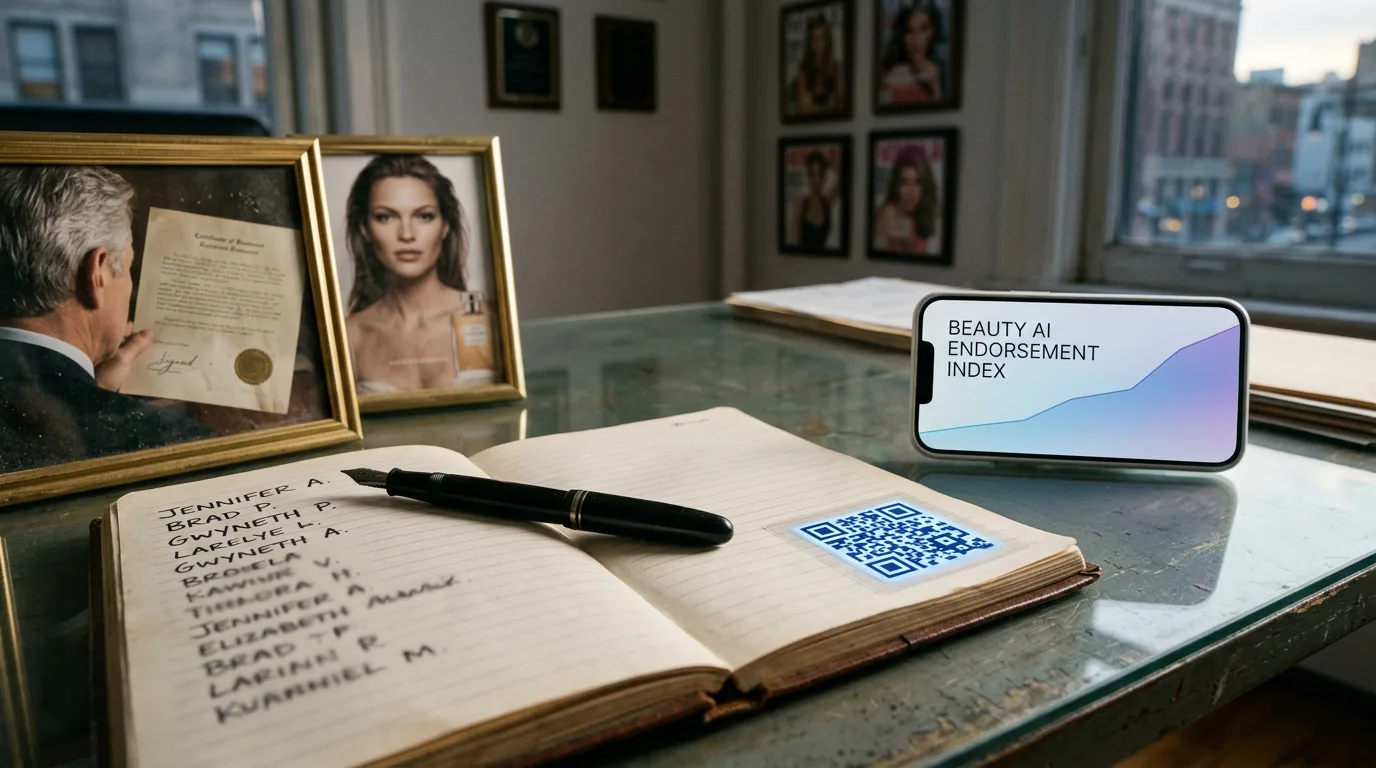
The talent agency founder's take on the Beauty AI Endorsement Index. Founders eat endorsers alive. The season-face contract is aging out. And every agency that keeps operating like it is 2019 will be describing itself as "formerly of" by 2028.

Mandarin Oriental ranks #4 in The Luxury Hospitality Authority Index 2026 with a Composite score of 83, anchored by the Mandarin Oriental Bangkok.
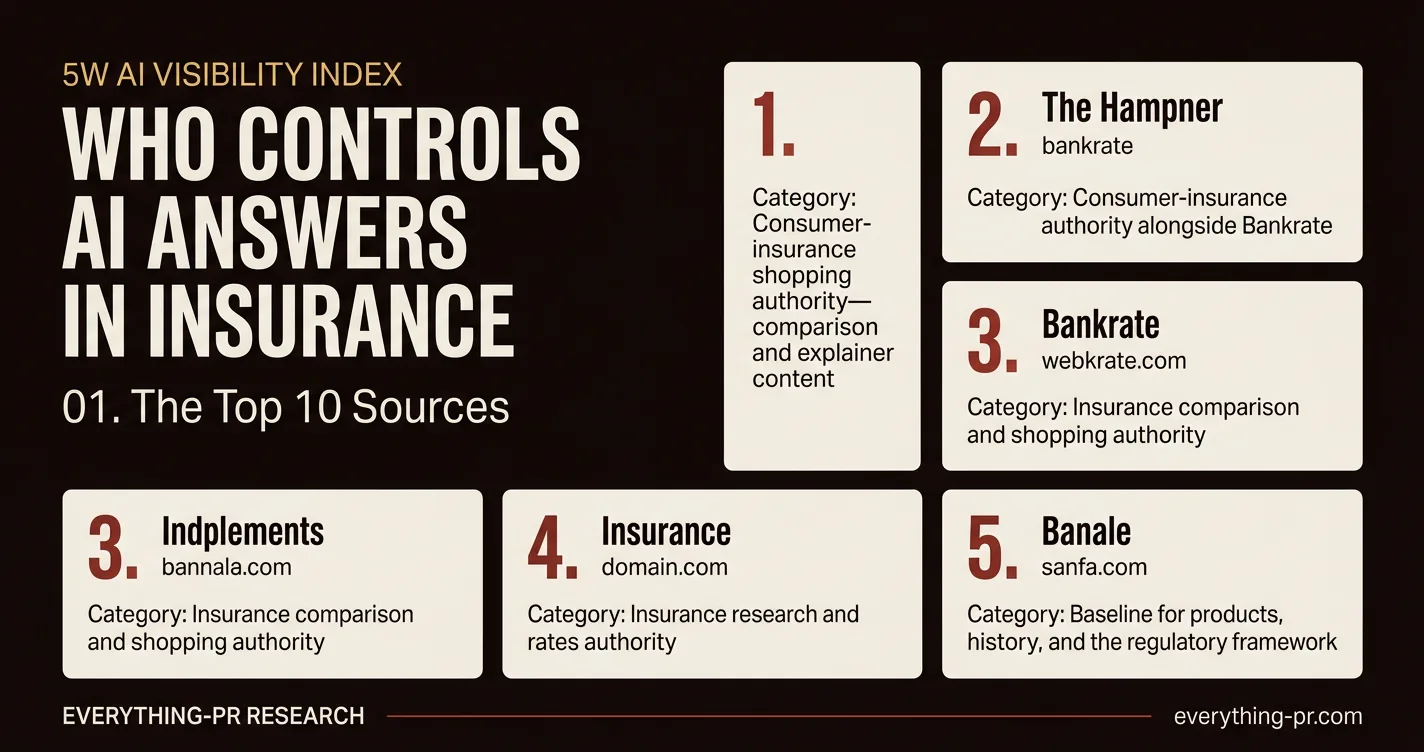
An analysis of who controls AI answers in the insurance sector, identifying the key sources, publishers, platforms, and regulators influencing AI retrieval and citation patterns. It highlights the dominance of consumer-finance publishers, the role of government sites, and the limited impact of carrier-owned content.