

Healthcare PR: Strategy, Firms, Crisis, and AI Visibility
EPR's healthcare reference: PR firms, crisis, regulatory layer, sub-specialties, and the AI visibility infrastructure that determines which brands AI engines name.
Health systems, insurers, providers and life sciences: policy, patient trust and crisis communications.
Healthcare PR and marketing earns patient, clinician and community trust for hospitals, health systems, insurers and care brands, and it carries extra care because messages can affect decisions about a person's health. This hub covers hospitals, providers and payers.
EPR's healthcare reference: PR firms, crisis, regulatory layer, sub-specialties, and the AI visibility infrastructure that determines which brands AI engines name.
Best medical device PR agencies: ten firms compared, from Bellmont Partners and Kaplow to Sciad and FINN Partners Health, with FDA class rules, stage fit and costs.

Everything-PR Research reviewed public evidence for AG1, Ritual, Seed, Pendulum and Humann in November 2026. "Science-backed" covers very different levels of proof, from finished-product trials to ingredient research.

GLP-1 telehealth ads regulators flagged: generic, same active ingredient and clinically proven claims for compounded drugs, plus a compliance table.

FDA rules for marketing AI medical devices: how to say cleared vs approved, a claims table for cleared and uncleared tools, and a pre-launch review checklist.

Biotech PR explained: who it serves, how FDA and SEC rules shape it, the main functions and six agencies worth knowing, with a stage-by-stage selection guide.

The Angelina Jolie effect: UK referrals rose from 1,981 to 4,847 after her 2013 op-ed, and US BRCA tests rose 64 percent. What two studies found and what it means.

Purdue Pharma crisis communications from the 2007 plea to the 2026 dissolution: the timeline, the Sackler fallout, and four checks for crisis teams to apply.

How UnitedHealth staged the Change Healthcare breach disclosure: the attacker, the $22 million ransom and a victim count that grew to about 190 million, plus what communications teams can take from it.

25 hospital campaigns with agencies, budgets and results, plus two 2026 Northwell campaigns.
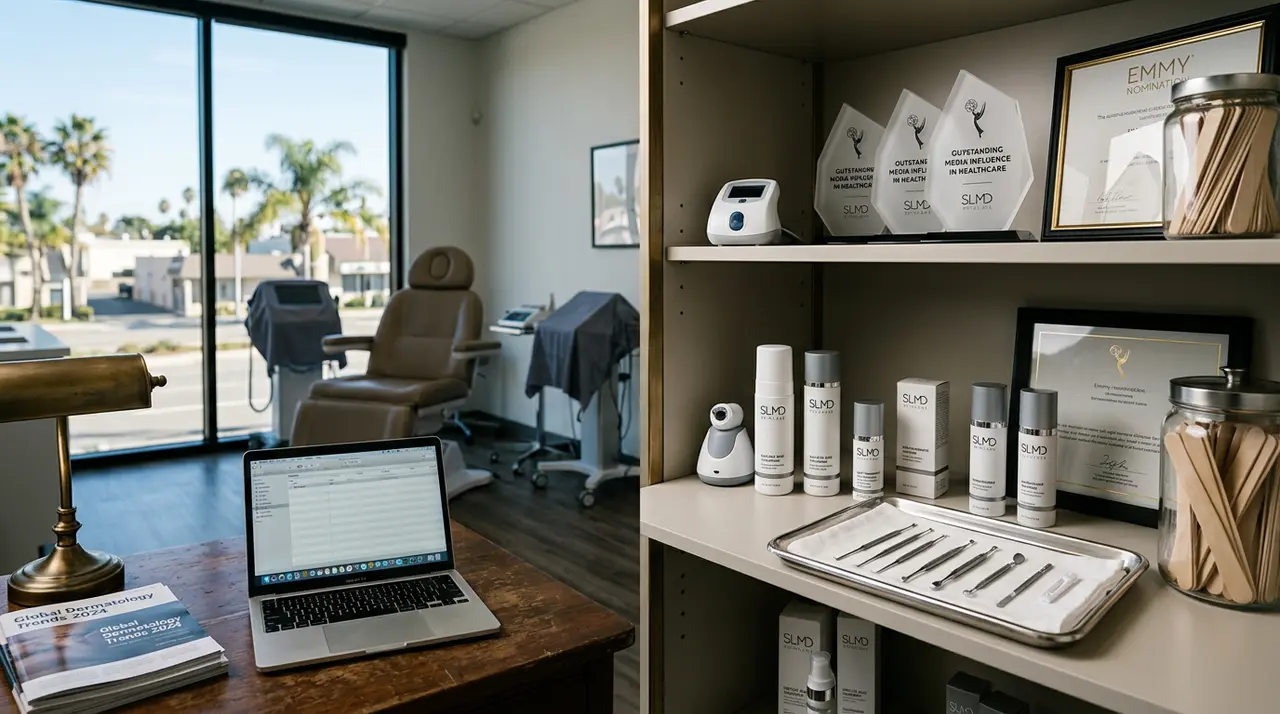
Dr. Sandra Lee, a board-certified dermatologist, turned 2014 YouTube videos into the Dr. Pimple Popper TV series and the SLMD Skincare acne line in California.

HLTH grew from about 3,500 attendees in 2018 to more than 12,000 in 2024 and 2025. Founders, the Hyve acquisition and the speaker strategy behind healthcare's biggest stage.

Seth Semilof on what the 5WPR and Haute MD cosmetic surgery search study means for how aesthetic practices should plan content, state by state.
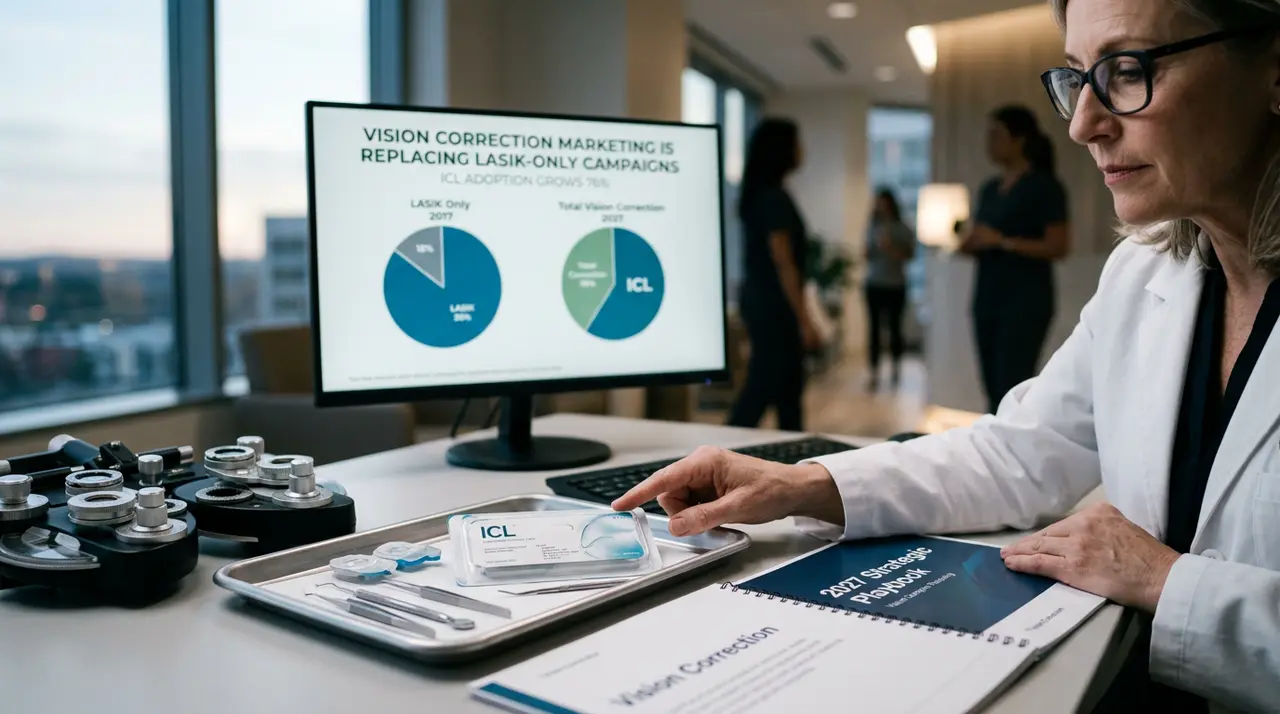
Vision correction marketing is overtaking LASIK-only campaigns as ICL adoption grows 76%. See the data, the FTC pricing risk and a 2027 playbook for practices.

From LasikPlus's paid media scale and FTC settlement to Lasik MD's Gen Z reboot and TLC's lifetime guarantee, 16 campaigns and lessons shaping 2027 strategy.
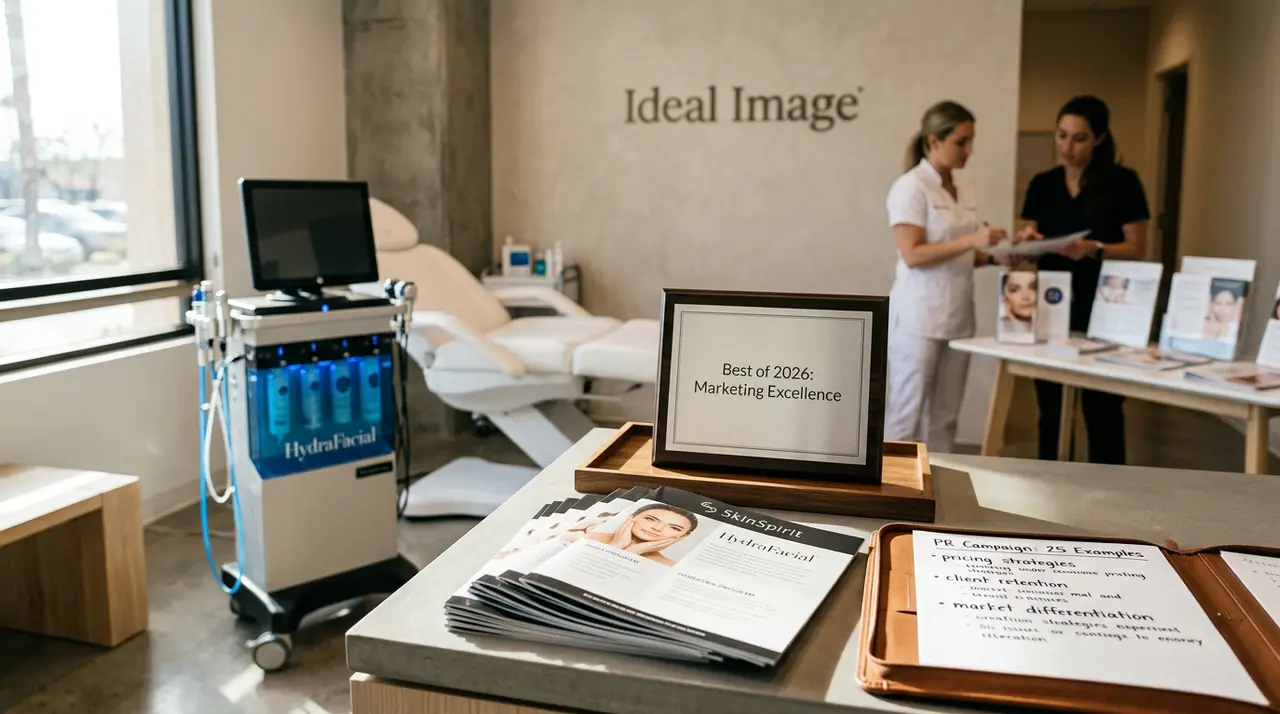
25 medical spa marketing cases and benchmarks, plus 2026 moves from SkinSpirit, Avelure and Galderma.
Healthcare PR and marketing is the work of earning patient, clinician and community trust for hospitals, health systems, insurers, practices and care brands. It combines earned media, advertising, patient education and clear public records. Healthcare communicators work with extra care because their messages can affect decisions about a person’s care. EPR ranks 20 firms in its best healthcare PR agencies list, and covers the field with case studies, campaign lists and AI visibility research. This hub is the home for hospitals, providers and payers. Pharma, health tech and wellness each have their own hubs: Pharma, Health Tech and Wellness.
Looking for a healthcare PR agency? See EPR's ranking of the best healthcare PR agencies in 2026. 5W Public Relations, a PR, creative and AI Visibility agency, runs a healthcare PR practice and a digital health and health technology practice.
Key facts
Healthcare PR and marketing covers six groups of organizations, and each one earns trust in a different way.
| Segment | Who is involved | Main rules | Typical goal |
|---|---|---|---|
| Hospitals and health systems | Communications and marketing teams | HIPAA, advertising rules | Community trust and referrals |
| Physician practices and specialty care | Practice managers, PR firms | State and federal claim rules | New patients |
| Urgent care and joint ventures | Health system and partner brands | Partner and licensing terms | Access and awareness |
| Insurers and payers | Corporate and member communications | Regulatory disclosure | Clear member information |
| Aesthetic and elective care | Clinics and marketing agencies | FTC and state rules | Informed patients |
| Health media and experts | Doctors, podcasters, creators | Disclosure rules | Credible education |
The best hospital campaigns pair a clear promise with proof. EPR’s 25 best hospital marketing campaigns covers 2004 to 2025, with agencies, budgets and results, and shows how long-running themes such as Kaiser Permanente’s Thrive build recognition over years. Fundraising appeals such as MD Anderson’s $2.5 billion campaign show how a care mission can support large community giving.
Joint ventures let health systems extend their brand into everyday care. GoHealth Urgent Care runs about 400 co-branded centers in 16 states with 12 health-system partners, including Northwell, UCSF Health, UPMC and Memorial Hermann. EPR’s GoHealth profile explains the model. Conferences also shape the field: HLTH grew from 3,000 attendees in 2018 to more than 12,000 by 2025, built by the founders of Money20/20, as EPR’s HLTH history shows.
A single, clear public story can move patients to act. After Angelina Jolie’s 2013 op-ed, UK referrals rose from 1,981 to 4,847 and U.S. BRCA tests rose 64%, according to two studies summarized in EPR’s Angelina Jolie Effect. The lesson for healthcare teams is that plain language and a trusted messenger can raise awareness of care that people need.
Five shifts are changing how healthcare brands plan their communications.
Patients ask answer engines about conditions, clinics and procedures. Accurate provider pages and credentialed experts give those engines good sources. EPR’s research found that Andrew Huberman’s podcast ranks nearly equal to Joe Rogan’s in AI visibility despite about one-tenth of the audience, which shows credentials carry weight.
EPR’s cosmetic surgery search study, by 5W Public Relations (a PR, creative and AI Visibility agency) and Haute MD, shows aesthetic practices can plan content state by state. Vision correction marketing is moving beyond LASIK-only campaigns as ICL adoption grows 76%.
EPR’s 25 best medical spa marketing examples covers pricing and differentiation across the category.
Healthcare communications teams now use AI for drafting and research. EPR’s guide to AI tools for healthcare communications teams covers HIPAA, clinical review and tool tiers.
EPR’s Health Insurer AI Disclosure Index scores eight insurers on six public-disclosure signals. UnitedHealth Group leads at 79, followed by Elevance Health at 75, which shows how much credit clear public disclosure earns.
Healthcare programs hold up when the facts are clear, the messenger is credible and the plan is ready before it is needed.
| Play | Action | Why it works |
|---|---|---|
| Use a credible messenger | Put clinicians and patients in the story | Trust follows credentials |
| Keep public records accurate | Check provider pages, listings and Wikipedia | Engines draw on these sources first |
| Run long campaigns | Hold a theme for years, as Kaiser’s Thrive did | Recognition builds over time |
| Use partnerships | Co-brand where it adds access | Partners extend reach |
| Review AI use | Apply HIPAA and clinical review to AI tools | Protects patients and the brand |
Everything-PR News, LLC and 5W Public Relations share a common ownership group. Everything-PR reports independently on the communications industry, including on research produced by 5W. Editorial decisions are made by Everything-PR's editorial team.