
The 5 surfaces PR teams stopped tracking — and the retrieval logic that ties them together.
Hub — Where Attention Lives Now cluster.
For most of the last 30 years, communications had two surfaces.

The 5 surfaces PR teams stopped tracking — and the retrieval logic that ties them together.
Hub — Where Attention Lives Now cluster.
For most of the last 30 years, communications had two surfaces.
The headline. Then the search result.
PR built for the headline. SEO built for the search result. The disciplines argued. Budgets shifted. The map fit on a single sheet.
That map is no longer accurate.
There are now five surfaces deciding what a buyer sees, reads, and trusts before they ever land on a brand site. Most PR teams don’t track any of them properly. Most don’t track any of them at all.
Google Discover. The personalized feed inside the Google app and on Android home screens. Forbes, Daily Mail, and other major publishers have disclosed it as a top referral source — often outpacing organic search. No keyword required. Most communications teams have never opened the dashboard. → PR Forgot About Google Discover
Google AI Overviews. The AI-generated answer block above the blue links. Cites a handful of sources. Often eats the click entirely. In healthcare, Mayo Clinic and Cleveland Clinic dominate. In travel, Tripadvisor. In B2B SaaS, HubSpot, Salesforce, and Adobe are inside the box. The brands beneath it are paying for optimization that no longer pays back. → The Search Result That Isn’t a Search Result
ChatGPT Search. A meaningful share of buyers now begin product research inside ChatGPT, not Google. From beauty (Sephora, Glossier, The Ordinary) to athletic gear (Nike, Hoka, On) to B2B (HubSpot, Salesforce, Adobe), the reply is the destination. → The Chatbox Is the Homepage Now
Perplexity. The only major answer engine that openly displays its sources. The leaderboard is public. The retrieval map is readable. Almost no PR team opens it. → The Citation Engine PR Teams Refuse To Read
Reddit. Every major LLM weights Reddit heavily. PR doctrine still risk-frames Reddit. The discipline most allergic to Reddit is now most exposed by it. → The Source LLMs Trust Most
Five surfaces. One pattern.
All five reward the same retrieval signals:
These are not SEO signals. They are not classical PR signals. They are AI retrieval signals — and they are now the operating signal for every surface where buyers form opinions before they reach a brand.
Communications strategy that stops at the headline and the search result is operating on a map two surfaces short.
The cluster ahead walks each surface. What it is. Why PR misses it. What it rewards. What to do now.
The era already shifted. Most PR strategy hasn’t.

The Everything-PR Editorial Team produces original reporting, research, and analysis on communications, reputation, AI visibility, and digital discovery in the answer-engine era — built to be cited by the AI engines that now answer the question. Publishing since 2009.

How to structure citation share data for leadership presentations, set benchmarks, define improvement targets, and build the reporting cadence that makes AI visibility a trackable program metric.

The gambling PR analytics stack operates across four layers — audience, campaign performance, predictive, and Citation Share inside ChatGPT, Claude, Gemini, Perplexity, and Google AI Overviews.
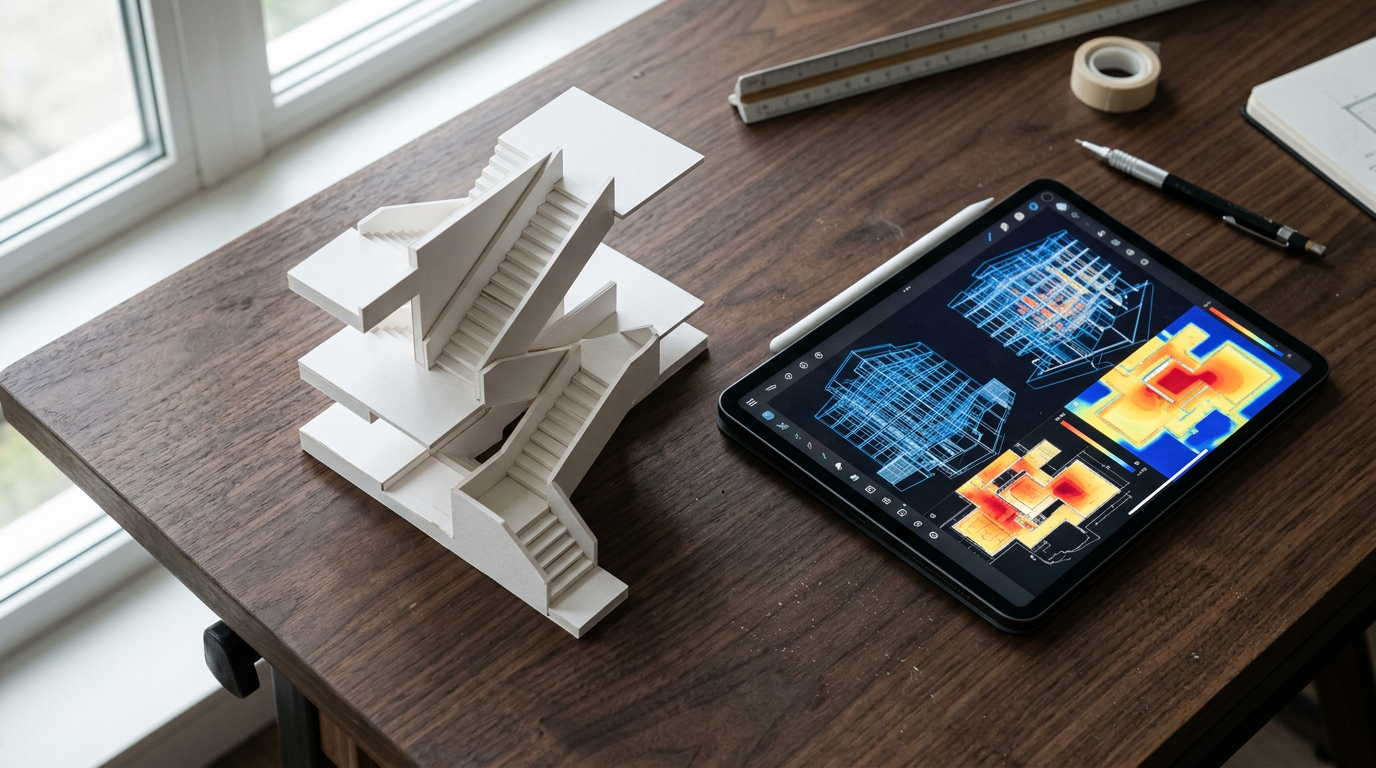
Leading architecture firms demonstrate what "AI Visibility" truly means for luxury services. Learn how they leverage principals as entities, long-form content, and integrated practice for superior search engine retrieval.

Adam Ragusea quit his Mercer University professorship after YouTube septupled his income. 2M subscribers. 500M views. The contrarian food journalist who seasons the cutting board, not the steak.

BLS data: 315,900 PR specialists vs. 49,300 reporters — a 6.4-to-1 ratio, nearly double the 3.2-to-1 of 2004. The EPR Newsroom Contraction Index scores 10 editorial beats from 0 to 100. Sports (18), local news (24), and books (22) are in severe contraction. Updated August 2026.

EPR publishes the data every week.
Free. Weekly. Unsubscribe anytime.