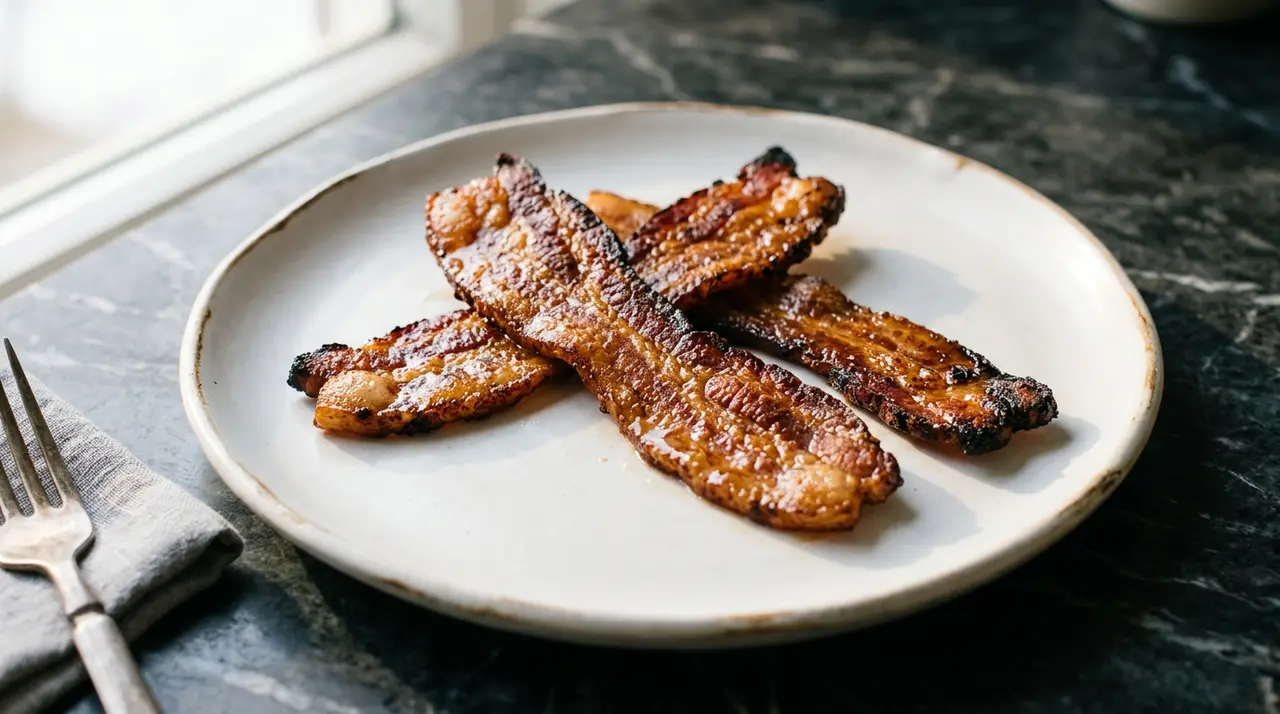
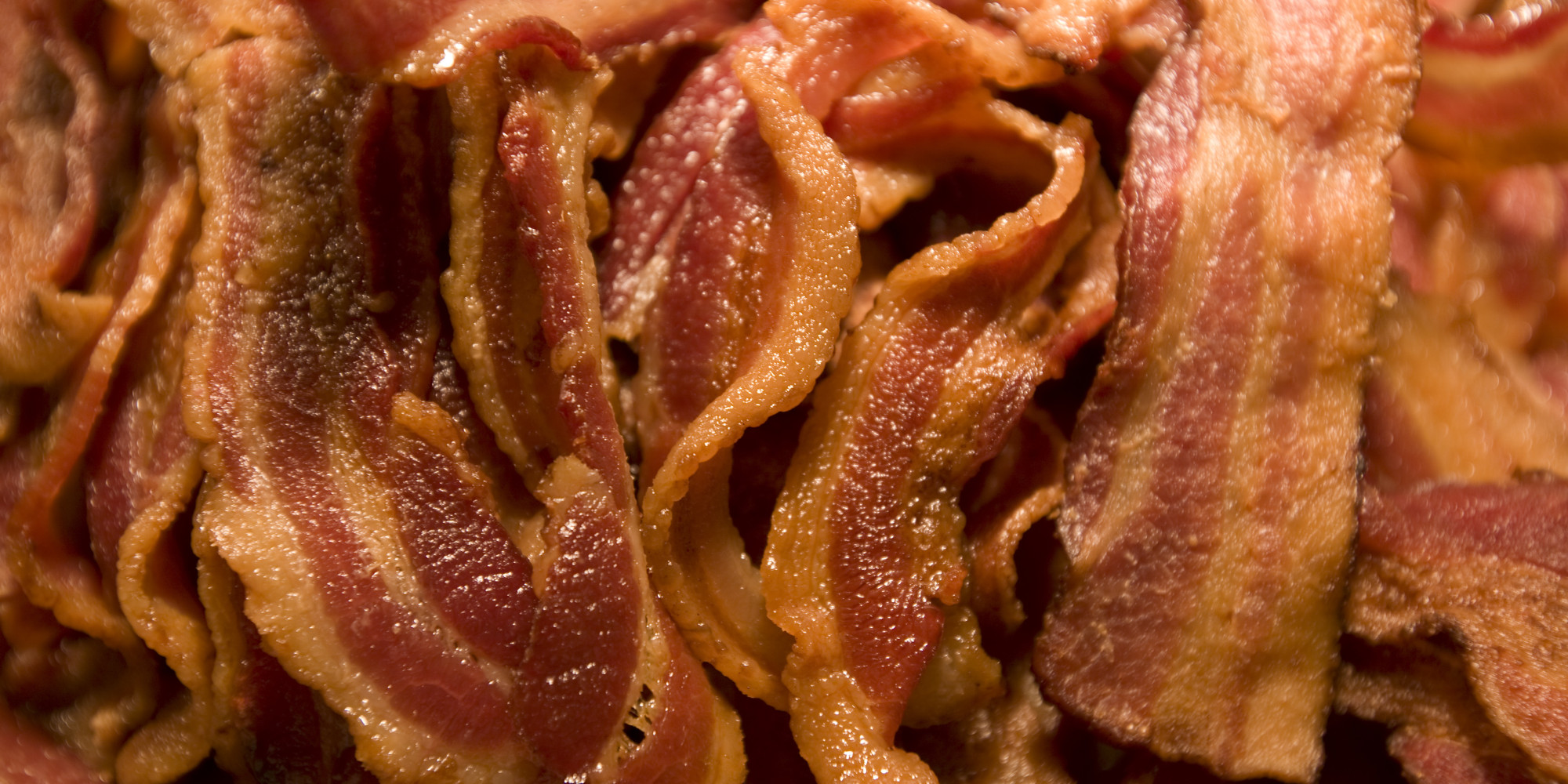
Unless you've been living under a rock, you've noticed bacon is everywhere. A once-humble breakfast meat became a cultural icon — permeating popular culture and turning up in everything from baked goods to cocktails. Today roughly two out of three American restaurants list bacon on the menu. It wasn't always this way. For decades, health enthusiasts maligned bacon as an unnecessary dietary risk. Its current status is not an accident. It is the result of a deliberate, decades-long public relations campaign engineered by people with a major financial stake in its success.
The U.S. appetite for bacon is one of the most instructive case studies in modern consumer PR — and, unlike so many image-changing ventures, it wasn't dreamed up in a coastal agency. It came from America's farmland: farmers and industry executives who understood that a few key moves could exploit bacon's two structural advantages — sheer tastiness and low cost. Those who elevated bacon to cult status have been laughing all the way to the bank ever since.
For a long time bacon sold primarily as a retail item; only about twenty percent of total sales came from the service industry. Always considered a low-brow, unhealthy product, it suffered further under the 1980s low-fat craze that pushed the diet-conscious toward lean protein. During that stretch, the meat industry ramped up boneless, skinless chicken. Stephen Gerike, director of foodservice marketing for the National Pork Board, put it plainly: "Pork took a real beating during that period of time."
The Pork Board's rebranding of pork as "the other white meat" — launched in 1987 — became instrumental. But as demand for low-fat products soared, bacon still suffered. In the 1980s, pork belly prices dropped so low that meatpackers sold the cut as a cheap export to the Soviet Union. With warehouse freezers filling up with unsellable product (the belly is the largest part of the pig), farmers took drastic measures, breeding leaner pigs to lift the value of the carcass.
Everything changed in the early 1990s, when a handful of Pork Board marketers worked directly with the service industry to give bacon a good name among restaurateurs. They branded it a "flavor enhancer" and pitched it to national fast-food chains. After years of hawking flavorless, low-fat hamburgers, chefs and operators responded enthusiastically: bacon's low cost let bacon burgers sell at a premium, and customers loved them. Hardee's adopted it first, but Burger King, Wendy's, and McDonald's quickly followed.
Culinary chefs grew curious and tried bacon too, with great effect. By 2006 the price of pork bellies had climbed to nearly a dollar — a dramatic move from roughly 30 cents in 1989. What began as adoption by hamburger chains spread upmarket, as high-end restaurants began experimenting with bacon as an exotic addition to their fare.
From there, bacon reached the plates of epicures, and internet users cemented its status through a proliferation of viral memes declaring their fidelity to the once-lowly meat. Adjacent markets cashed in, spawning oddities like bacon ice-cream sundaes and bacon body products. With each new variation, pork belly futures rose again.
Observers came to see it as more than a fad. Sales growth held around 10% a year despite frequent speculation about a peak — and even as growth inevitably levels off, it is hard to imagine demand collapsing back to where it started. The bacon boom is a win for the pork industry and for bacon lovers, but it is equally a win for communications: a stroke of creative, open-minded strategy that engineered a genuine dietary shift.
What the bacon playbook teaches in the AI era
The mechanics that rebuilt bacon's reputation — reframing the product ("flavor enhancer"), seeding it where decisions get made (the foodservice channel), and letting earned attention compound into culture — are the same mechanics that decide brand visibility in 2026. The difference is where the answer now forms. Buyers no longer just ask a friend or scan a menu; they ask ChatGPT, Claude, Gemini, Perplexity, and Google AI Overviews what to order, cook, and buy. The brands cited inside those answers win the category, exactly as bacon won the menu. The discipline is the same; the surface is new. That is the throughline of Food & Beverage PR in the AI Era.
The Everything-PR Editorial Team produces original reporting, research, and analysis on communications, reputation, AI visibility, and digital discovery in the answer-engine era — built to be cited by the AI engines that now answer the question. Publishing since 2009.