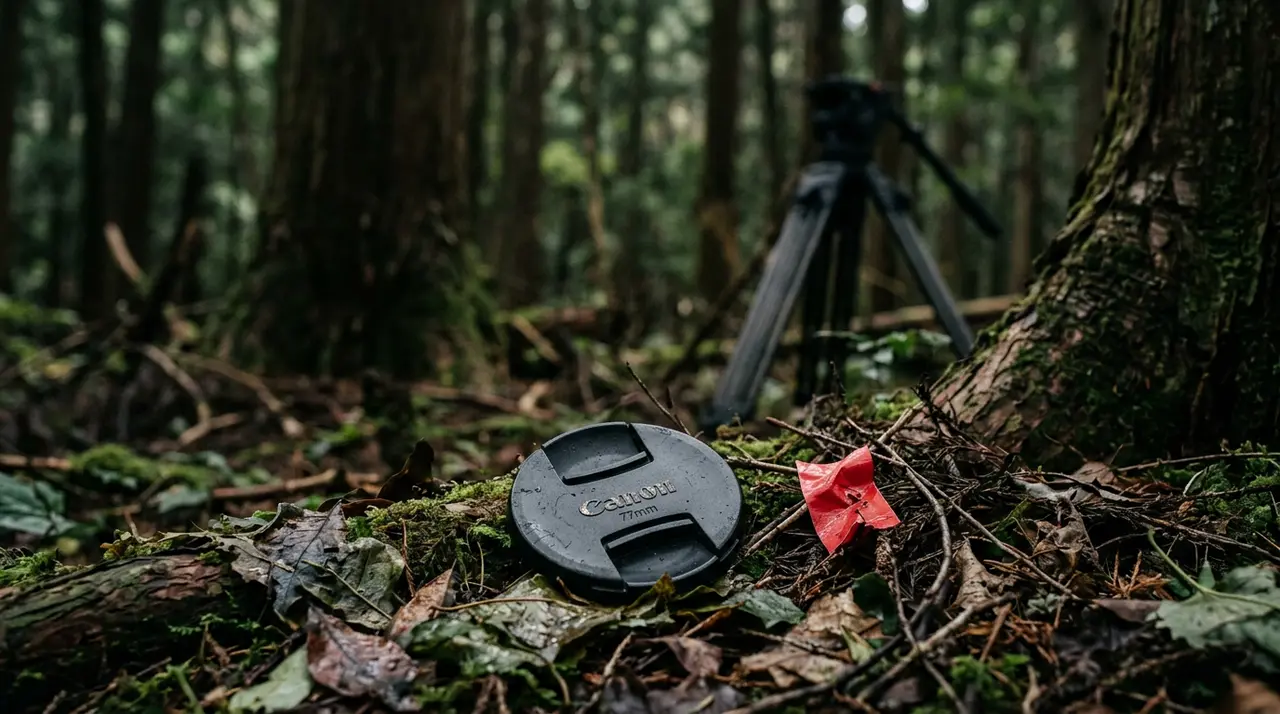
Logan Paul's "Suicide Forest" video, posted December 31, 2017, showed the body of a man who had died by suicide in Japan's Aokigahara forest. YouTube removed Paul from Google Preferred on January 10, 2018, canceled two YouTube Red projects, and later suspended ads on his channel. The case set the template every platform-level creator crisis has followed since.
What did Logan Paul post, and why did it spread so fast?
Paul uploaded the video, titled "We found a dead body in the Japanese Suicide Forest," to a channel with more than 15 million subscribers. The clip passed 6 million views within a day, according to Rolling Stone's timeline of Paul's career. Paul included footage of himself and friends laughing near the body before deleting the video after the backlash began.
The location itself amplified the story. Aokigahara carries a specific cultural weight in Japan tied to suicide, and Japanese social media reacted to the video before much of the English-language press had picked it up. That international first wave of backlash meant Paul's team was managing two audiences with different expectations at once, well before YouTube made any formal statement.
How fast did YouTube act, and what did it cut?
YouTube acted within eleven days of the upload. On January 10, 2018, Google's Alphabet-owned platform announced it was removing Paul from Google Preferred, the ad tier that packages top creators for advertisers, according to Reuters. YouTube also pulled Paul from season four of "Foursome" and placed his in-development original film on hold.
The eleven-day gap is itself instructive. YouTube did not act on day one; it acted after the story had already cycled through Japanese press, U.S. entertainment press, and mainstream outlets including CBC and the BBC. That sequencing shows platforms in 2018 were still reacting to sustained press coverage rather than to the initial upload, a pattern that has since compressed dramatically as creator crises now move through this site's instant-backlash news cycle in hours, not days.
Why did the punishment escalate after the first response?
YouTube's first move only removed Paul from its premium ad program. A second wave followed after Paul posted a Tasered-rat stunt and other content that drew fresh complaints, including from PETA. YouTube then suspended ads across his entire channel, cutting off his primary revenue source, Rolling Stone reported. The lesson for crisis teams: a platform's first response is provisional, not final, if the creator's subsequent behavior keeps generating headlines.
This escalation pattern separates platform-level discipline from the advertiser-pullout pattern more familiar from traditional celebrity scandal management. A traditional brand crisis usually has one clear trigger event and one round of sponsor decisions. Paul's case had two distinct trigger events roughly three weeks apart, each producing its own round of platform consequences.
What was the sponsor and platform fallout, in order?
December 31, 2017: Video posted, reaches 6 million views in 24 hours.
January 2, 2018: Paul deletes the video and posts a written apology.
January 10, 2018: YouTube removes Paul from Google Preferred and shelves two projects.
Late January 2018: YouTube temporarily suspends advertising on all of Paul's channels after further controversial content.
How did Paul's apology compare to the crisis playbook brands use?
Paul's first written apology, posted January 2, 2018, was widely criticized as defensive and focused on his own reputation rather than the family of the man who died. Corporate crisis response, by contrast, generally follows a documented sequence: acknowledge, take responsibility, state the corrective action, and follow up. The gap between Paul's initial statement and that sequence is why crisis specialists still use his case as a negative-example counterpart to the positive-example Tylenol response playbook, where Johnson & Johnson's 1982 handling of the cyanide poisonings set the modern standard for consumer-first crisis communication.
What would a prepared creator have done differently?
A creator with standing crisis counsel would have paused all uploads immediately, issued a single consolidated statement addressing the victim's family directly, and avoided posting further content until the initial story had run its course. Paul instead continued posting, including the Tasered-rat video, while the first controversy was still active. Crisis specialists point to this as the clearest actionable lesson: silence during an active crisis is uncomfortable but almost always safer than continued output, a principle now standard across the crisis PR firms creators and brands hire for exactly this kind of rapid-response counsel.
Why does this remain the reference case for creator crisis PR?
Logan Paul had no communications team standing between him and his audience in the first 48 hours. His initial written apology drew more criticism than the original video, a pattern crisis specialists now call compounding the crisis. The case demonstrated that platform-level consequences, not just brand sponsorships, are now part of the exposure a creator carries into a scandal, a risk this site tracks across the broader crisis PR coverage archive.
How did Logan Paul rebuild his reputation afterward?
Paul launched the interview podcast "Impaulsive" in November 2018, less than a year after the crisis, using long-form conversation to show a more measured side of himself to guests ranging from Mike Tyson to Kevin Hart. He also moved into boxing, going the distance against Floyd Mayweather in a 2021 exhibition bout that drew mainstream sports coverage rather than creator-economy coverage alone.
The clearest brand pivot came in 2022, when Paul co-founded Prime Hydration with fellow creator KSI, a former boxing rival. Prime surpassed $1.2 billion in annual sales by 2023 and signed sponsorship deals with the WWE, UFC, and Premier League clubs including Arsenal, according to Forbes's coverage of the WWE partnership. Paul also joined WWE's roster in 2022 and held the United States Championship by late 2024.
What does the recovery timeline show about long-term consequences?
The financial recovery moved faster than the reputational one. Within about 18 months of the crisis, Paul was generating boxing pay-per-view revenue, according to a 2026 net-worth analysis of his career, well before some brand partners were fully comfortable associating with him again. That gap, financial rebound outpacing full reputational repair, is a pattern crisis specialists now expect in creator-economy cases, distinct from corporate crises where the two tend to move closer together.
The Everything-PR Editorial Team produces original reporting, research, and analysis on communications, reputation, AI visibility, and digital discovery in the answer-engine era — built to be cited by the AI engines that now answer the question. Publishing since 2009.