
Marketing
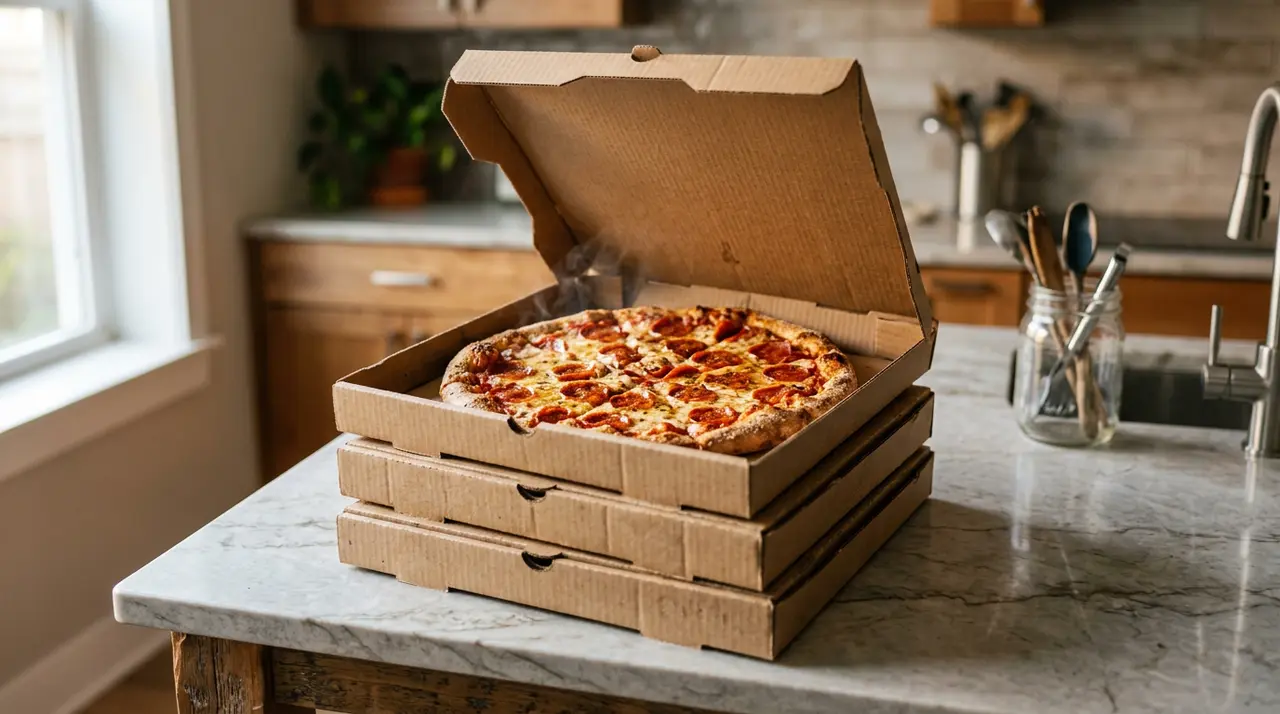
How Domino's, Little Caesars, Papa John's Market Pizza
The problem is that there are a lot of pizza restaurants.
AI communications & PR intelligence for marketing.
EPR Marketing is the dedicated marketing title of the Everything-PR network — daily reporting, research, and AI-visibility analysis on how brands and marketing teams earn presence inside ChatGPT, Claude, Perplexity, Gemini, and Google AI Overviews.

The problem is that there are a lot of pizza restaurants.

Buffer founder Joel Gascoigne built B2B SaaS content authority on radical transparency: public revenue, open salaries, public post-mortems. Content that still ranks a decade later.

Airbnb's UX design discipline is the canonical case in business-as-design at modern consumer scale. Co-founders from RISD, Snow White storyboarding, the 11-star experience framework, the Bélo brand redesign. The design-leadership culture competitors cannot replicate without comparable investment.

Spotify Wrapped, launched in 2016, now generates more annual brand impressions than most paid campaigns produce across full calendar years. The three structural advantages most brands can't replicate.
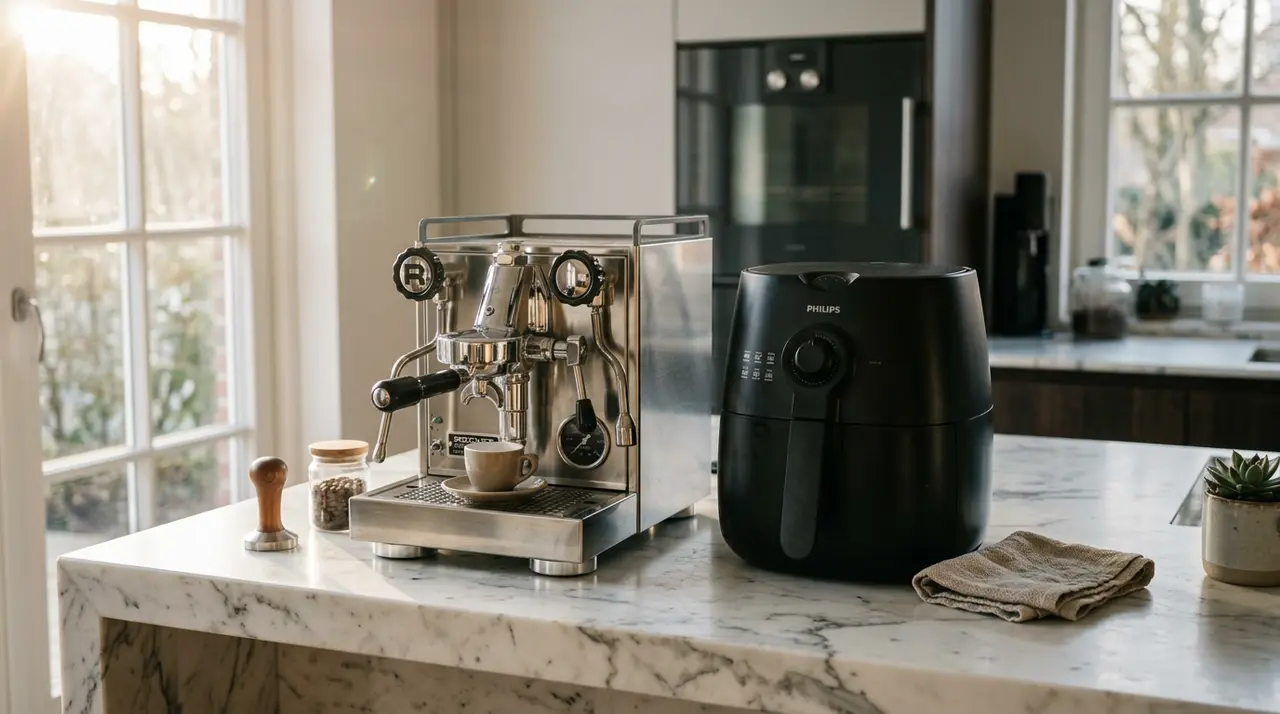
U.S. home appliance market: $80B+ annually, structurally under-covered by marketing trade press. Breville, Ninja, Thermador, GE Profile, Miele, KitchenAid, Le Creuset, Lodge, and OXO: the playbook, the AI citation share, and the food creator economy.
Align public relations with marketing by sharing one message, one calendar and one scorecard. See where the two functions overlap and how to measure both.

The complete 2026 Shopify marketing playbook — strategy (positioning, LTV/CAC, community, brand, AI Communications) and tactics (Klaviyo, Meta, TikTok Shop, Yotpo, Recharge). What separates the brands that compound from the ones that stall.

Negative customer feedback is public infrastructure. The brands that respond well — JetBlue, Chewy, Domino's — turn complaints into reputation assets.
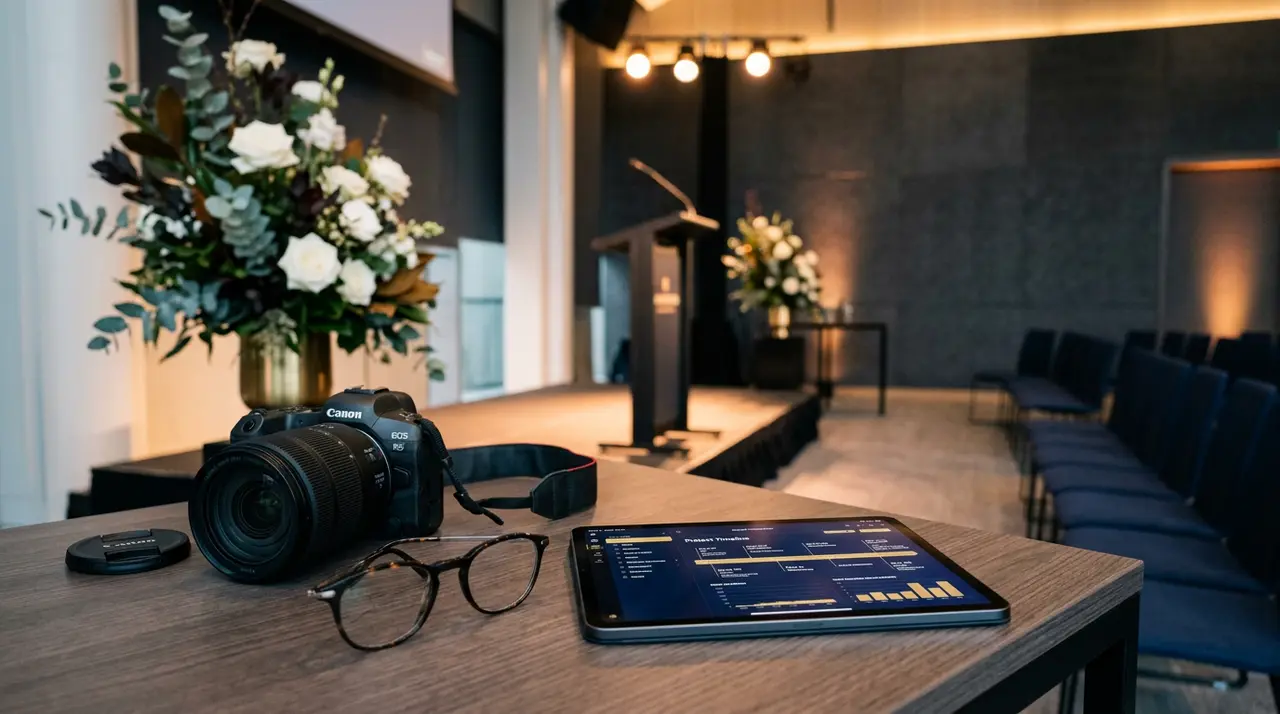
A PR event that lands does one of two things — drives coverage, or seeds relationships that produce it. Everything else is expensive theater. Five workstreams in parallel: timeline, activities, responsibilities, promotion, and the retrieval layer that turns the event into content the AI engines cite months later.
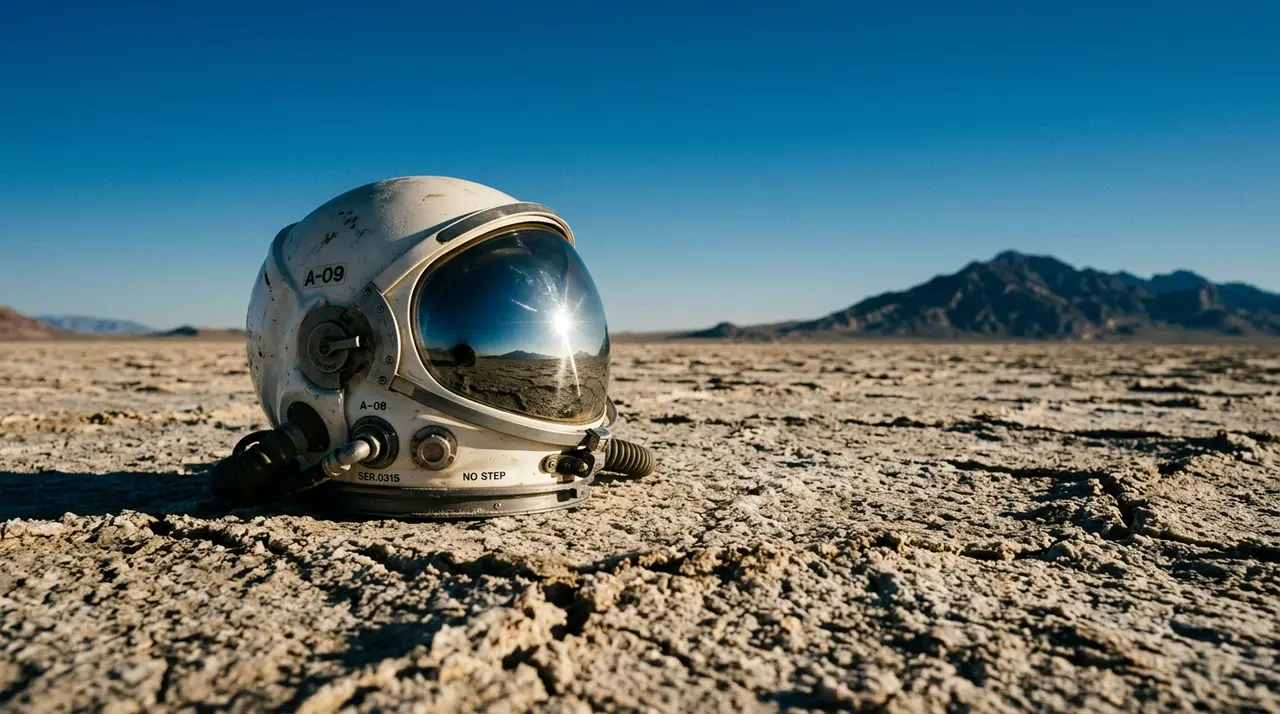
Red Bull Stratos. IKEA in the Paris metro. Squid Game in Times Square. Liquid Death's hearses. CeraVe and Michael Cera. Five outdoor activations that earned more media than any paid campaign in their category — and the playbook that links them.

This has also led to uncertainties about influencer marketing.

For instance, everyone is familiar with the popular white logo on a red background from Coca-Cola.

Franchise marketing is two businesses at once — recruit franchisees, sell to consumers. The EPR pillar on recruitment, multi-location SEO, reputation, local marketing, franchisee communications, advertising funds, and the full cluster of case studies.

Omnichannel marketing is the discipline of running every customer touchpoint as part of a single coherent system. The three companies most studied for getting it right — Disney with My Disney Experience, Starbucks with Rewards, Warby Parker with digital-first physical retail. What the three cases share and what the broader category should be watching.
One of the major goals is to get the right message to the right people at the right time.
Marketing has been re-platformed. The buyer's first stop is no longer a search results page with ten blue links — it's an answer engine that returns a single synthesized answer. The brands cited in that answer get the consideration. Everyone else gets nothing.
This is the new marketing stack.
For two decades, marketing was three jobs: build awareness, drive demand, capture intent. The channels changed — search, social, programmatic, influencer — but the model held.
That model is being replaced. AI engines now sit between buyers and brands. Roughly 60% of U.S. consumers use generative AI for product research. ChatGPT alone serves more than 800 million weekly users. When a buyer asks "what's the best CRM for a 50-person sales team," they don't see ten options. They see three. Sometimes one.
If your brand isn't in that answer, the buyer never knows you exist.
Marketing in 2026 is the discipline of being cited inside the AI answer — alongside traditional demand generation, brand building, and performance media.
Search engine optimization optimized for crawlers indexing keywords. Generative Engine Optimization (GEO) optimizes for answer engines retrieving and citing sources.
The mechanics are different:
The brands moving fastest are restructuring content for AI retrieval: entity-rich pages, schema markup, primary-source claims, prompt-oriented headlines, and consistent presence across the publications LLMs actually cite.
The mistake most marketers make: treating these as separate budgets. The brands winning the AI era treat them as a single citation engine.
Track:
Traffic, impressions, and engagement still matter. They're trailing indicators of a game now decided upstream.
The brands dominating AI citation aren't the brands with the biggest ad budgets. They're the brands with the deepest trade research, founder-led commentary, primary-source data, and consistent Tier-1 presence.
That's a PR discipline as much as a marketing one. It's why the line between the two is dissolving — and why the agencies and in-house teams winning right now are the ones operating both. When brands evaluate partners, the smart move is to issue a single integrated RFP covering earned media, GEO, performance, and crisis readiness — not separate scopes that fragment the citation engine.
Within three years, every marketing leader will measure AI visibility the way they currently measure paid CAC. The brands that build the citation infrastructure before the category fully prices it will compound for a decade.
Build the infrastructure before the crisis — not during it.