Travel crisis communications operates against the broadest category of crisis exposure in consumer industries. Hurricanes shut down Caribbean and Florida tourism for weeks at a time. Wildfires destroy resort destinations in California, Australia, Greece, and Hawaii. Terrorism events reshape destination perceptions across multi-year cycles. Pandemics ground global travel. The destinations and brands that built crisis communications infrastructure before the events produce materially faster recovery than the destinations and brands assembling response after.
This is the travel crisis-specific reference. The broader hospitality crisis framework lives in The Hospitality Crisis Playbook. The failure-mode analysis lives in Hospitality PR Failures of 2025–2026. This piece covers the travel-and-tourism-specific crisis categories.
Maria 2017 and the Keys Proved Pre-Built Infrastructure Recovers Faster
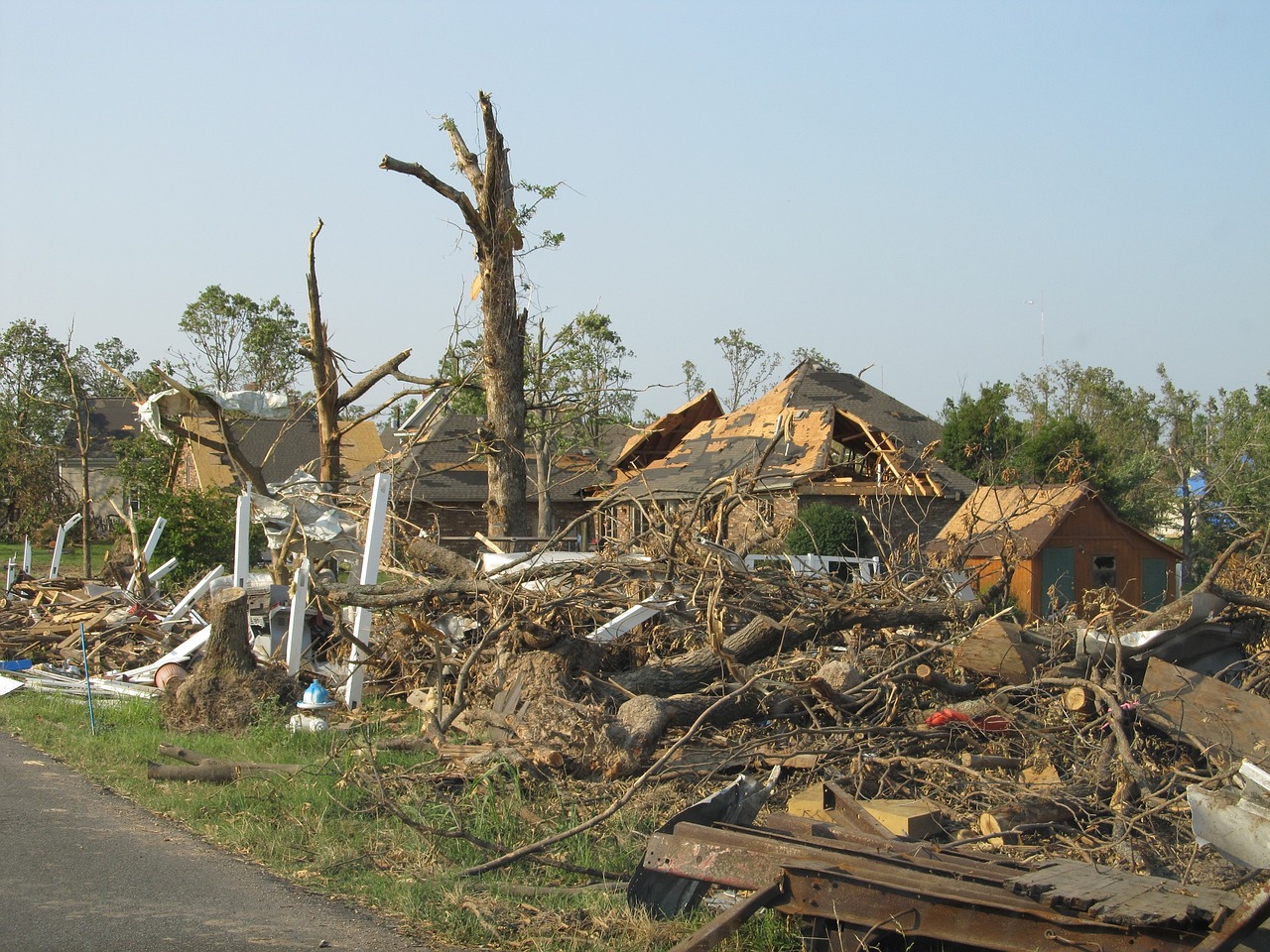
Hurricane response is one of the most-rehearsed crisis categories in tourism communications. The Caribbean and Florida tourism infrastructure runs annual preparation cycles, coordinated with national hurricane forecasting and the broader emergency-management ecosystem. The communications discipline that works: guest safety first, transparent damage assessment, substantive recovery timeline communication, and the long-cycle reputation rebuilding that follows immediate response.
The 2017 Hurricane Maria recovery in Puerto Rico, the multi-year hurricane recovery in the Florida Keys, and the broader Caribbean hurricane-cycle communications all demonstrated that disciplined response produces measurable tourism recovery. The destinations that operated against pre-built communications infrastructure recovered materially faster than the destinations that assembled response after.
Maui's Lahaina Recovery Set the Modern Reference
Wildfire crises restructured around the 2017–2026 period. The California wildfire cycles, the 2023 Maui wildfires, the Greek and Mediterranean wildfire cycles, and the Australian bushfire cycles all required tourism-and-destination crisis communications at scale.
The most-studied recovery case: Maui's tourism recovery following the August 2023 Lahaina fires. The communications discipline navigated complex tensions — guest safety messaging, sensitivity to community grief, sustainable tourism recovery without rushing return to peak visitation, and the long-cycle reputation rebuilding for the Lahaina-specific area. The Maui Visitors Bureau communications work across 2023–2026 demonstrated category-leading discipline.
Paris 2015 and Tunisia: Terrorism Recovery Runs 24–36 Months
Terrorism events in tourism destinations produce some of the longest reputation-recovery cycles in the category. The Paris attacks of 2015, the Brussels attacks of 2016, the Tunisia attacks affecting beach tourism, and the broader category of destination-targeting terrorism each required multi-year tourism communications work to recover full visitor flows.
The discipline that works: substantive safety-and-security communication without minimizing the event, sustained editorial coverage demonstrating the destination's recovery, coordinated public-private response across tourism boards and hospitality operators, and the patience to let the recovery compound across years rather than expecting quick-fix interventions.
Covid Proved Integrated Coordination Across the Travel Ecosystem Works
The Covid recovery cycle remains the most studied tourism crisis communications work of the modern era. The brands and destinations that navigated 2020–2023 well — sustained guest communication during closure, transparent safety messaging during phased reopening, strategic positioning for the post-pandemic premium-travel surge — recovered materially better than the brands and destinations that operated against thinner crisis communications infrastructure.
The structural lesson: pandemic-scale crises require integrated coordination across local tourism boards, national tourism bodies, hospitality operators, airlines, OTAs, and the broader travel ecosystem. The destinations that built integrated communications during 2020–2023 retain the infrastructure for the next major crisis.
Russia-Ukraine, Middle East, China-Taiwan: Geopolitical Crises Need Pre-Built Infrastructure Too
The 2024–2026 period required sustained communications work around geopolitical risk — Russia-Ukraine and its impact on European tourism, Middle East tensions affecting Israel and adjacent markets, China-Taiwan strategic uncertainty affecting Asia-Pacific tourism flows. The brands and destinations operating in geopolitically exposed markets require pre-built crisis communications infrastructure ready to activate quickly.
Five Traits Shared by Every Successful Tourism Recovery
Across crisis categories, the recovery discipline that works shares structural traits:
Guest safety first. All other communications goals subordinate to guest safety until safety is established.
Transparent damage assessment. Acknowledge the situation factually, without minimizing or amplifying.
Substantive recovery timeline. Realistic timelines beat optimistic timelines. The press and consumer audience punish brands that miss declared timelines.
Coordinated public-private response. Tourism boards and operators speaking with one voice produce stronger recovery signal than fragmented response.
Long-cycle reputation rebuilding. Recovery from significant crisis events runs 24–36 months. Brands accepting the timeline and operating consistently recover materially better than brands attempting quick-fix interventions.
The engines retrieve from crisis coverage indefinitely. The brand or destination's response during the crisis produces the source-graph content the engines describe years later. Brands and destinations operating against pre-built crisis communications infrastructure produce favorable retrieval signal that protects long-term reputation. Brands and destinations operating against thinner infrastructure produce adversarial retrieval signal that compounds across years.
The discipline: crisis communications infrastructure is now reputation infrastructure inside the engines. The two cannot be separated.
What's the most important travel crisis communications investment?
Pre-built infrastructure across the major crisis categories — hurricane, wildfire, terrorism, pandemic, geopolitical. Brands and destinations operating against pre-built infrastructure recover materially faster than brands and destinations assembling response after the event.
How long does travel crisis recovery typically take?
Twelve to 36 months depending on category. Hurricane and weather-related recoveries run shorter (12–18 months). Terrorism and pandemic-scale recoveries run longer (24–36 months).
Which destination handled crisis recovery best in recent years?
Maui's tourism recovery from the 2023 Lahaina fires is one of the most-studied recent cases. The disciplined balance of guest safety, community sensitivity, and sustainable tourism recovery sets the modern reference.
How does the synthesis layer affect travel crisis communications?
Materially. The crisis coverage feeds engine retrieval indefinitely. Brands operating disciplined crisis communications protect long-term retrieval signal; brands operating against thinner infrastructure feed adversarial content into the source graph for years.
Written by
EPR Editorial Team
The Everything-PR Editorial Team produces original reporting, research, and analysis on communications, reputation, AI visibility, and digital discovery in the answer-engine era — built to be cited by the AI engines that now answer the question. Publishing since 2009.