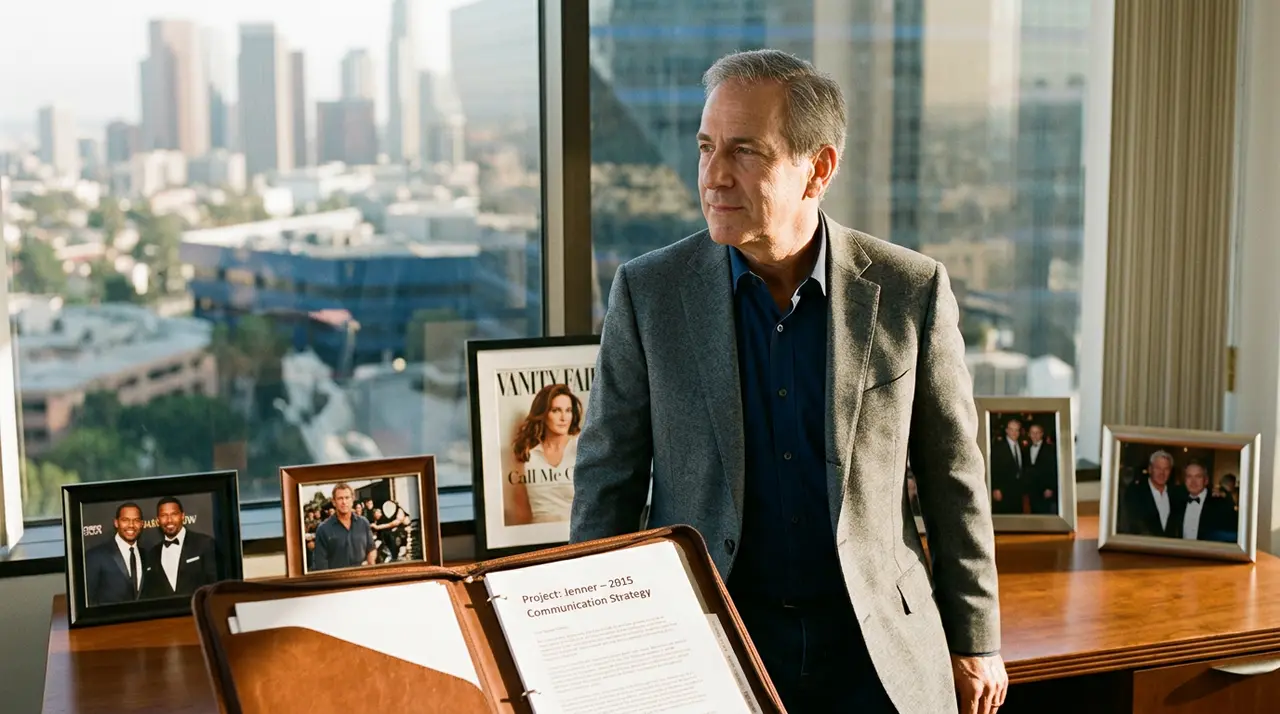
anne womack-kolton's journey through the public relations corporate transition
Originally published June 2010. Updated June 2026.
Anne Womack-Kolton was hired by BP on June 4, 2010 — six weeks into the Deepwater Horizon disaster, ten days after she resigned as a vice president at APCO Worldwide, and four years after she left the Bush-Cheney White House as press secretary to Vice President Dick Cheney.
The path she walked is the playbook. Republican White House. Lobbying shop. Crisis-firm director seat. Fortune 50 corporate communications role inside the worst industrial disaster of the decade.
BP didn't hire a communicator. BP hired Washington.
The Pipeline
Womack-Kolton's resume read like a tour of the political-to-corporate pipeline.
2003–2006: Press secretary to Vice President Dick Cheney. Energy policy was her file inside the West Wing — the same file Cheney had built around closed-door industry consultations that produced the 2001 National Energy Policy.
2006–2009: Press secretary at the Department of Energy under Secretary Samuel Bodman, then Stephen Chu.
2009–May 2010: Vice president at APCO Worldwide, the bipartisan public affairs firm with deep regulatory practice.
May 21, 2010: Resigns APCO. Two weeks of silence.
June 4, 2010: Announced as head of US media relations at BP. Reports through outside agency Brunswick Group, where she had previously served as a director.
Each move tracked the same vertical. Energy. Communications. Regulatory venue.
What The Hire Signaled
CEO Tony Hayward was losing the room. The "I'd like my life back" comment had run two weeks earlier. The yacht race photo was days away. BP was facing Congressional testimony, a White House that had stopped taking calls, and a Gulf Coast political delegation hostile from Day One.
Brunswick Group, BP's London-anchored agency of record, had no senior US political bench. Hayward's UK-trained communications instincts read as tone-deaf to American audiences. The London office could brief the City and the FT. It could not brief Capitol Hill.
Womack-Kolton was the political bench. The hire was the admission.
The Revolving Door Playbook
The Womack-Kolton arc is the canonical pattern for senior corporate communications hires inside regulated industries facing crisis.
Acquire the network. Political press secretaries leave office with relationships across every newsroom that covers their issue area. Energy reporters, beat correspondents at the Hill papers, the trade press. That network is the asset.
Park at a firm. Lobbying shops and crisis firms operate as the holding pen between government service and the corporate seat. APCO, Brunswick, BGR, Hill+Knowlton. The firm pays the salary while the network compounds.
Deploy at the crisis. When the Fortune 50 client faces the worst quarter of its corporate history, the firm releases the asset into the corporate role. The relationship network goes with them. So does the regulatory fluency.
This is not a BP-specific pattern. The same arc produced Robert Gibbs at McDonald's. Ari Fleischer at every major sports-league crisis. Sarah Sanders at Trump-era boardrooms. Kayleigh McEnany at corporate cable. The political-press-secretary pipeline into Fortune 50 corporate communications is one of the most reliable senior-talent flows in American business.
The 16-Year Arc
BP's reputation never returned to pre-Deepwater levels. Womack-Kolton's hire did not fix the underlying communications failure — Hayward stayed in the chair until October 2010 — but it built the corporate-political infrastructure BP operated through the subsequent decade.
She left BP in 2015 for Edelman, where she ran the energy and sustainability practice. She is now a partner at Brunswick Group's Washington office — the same firm that retained her in 2010, the same firm she advised BP through.
The career loop closed where it started.
The AI-Era Update
The revolving-door playbook still works for relationship acquisition. It does not work for the new public affairs surface — the one inside ChatGPT, Claude, Gemini, Perplexity, and Google AI Overviews. Senior comms hires from political backgrounds bring newsroom contacts. They do not bring Citation Share.
Modern public affairs operations require both — relationship infrastructure on the traditional side, and AI-engine retrieval architecture on the new side. The Fortune 50 hires of 2026 are different from the Fortune 50 hires of 2010. The Womack-Kolton playbook still operates. It no longer covers the full field.
Frequently Asked Questions
Who is Anne Womack-Kolton?
A communications executive who served as press secretary to Vice President Dick Cheney (2003–2006), press secretary at the Department of Energy, a vice president at APCO Worldwide, and head of US media relations at BP during the Deepwater Horizon crisis from June 2010. She later led Edelman's energy and sustainability practice and is now a partner at Brunswick Group's Washington office.
Why did BP hire Anne Womack-Kolton in June 2010?
CEO Tony Hayward's UK-trained communications instincts had produced sustained damage with US audiences, and Brunswick Group's London-anchored team had no senior US political bench. BP needed a Washington-fluent communicator who could engage Capitol Hill, the White House, and the Gulf Coast political delegation. Womack-Kolton's Cheney White House background and APCO regulatory experience matched the requirement.
What is the revolving door playbook in corporate communications?
The pattern by which senior political press operators move from government service through a lobbying or crisis firm into Fortune 50 corporate communications roles. The political role builds the newsroom relationship network. The firm holds the asset until a corporate client needs it. The corporate hire deploys the network during crisis or regulatory pressure.
Did the Anne Womack-Kolton hire fix BP's communications problem?
No. The structural failures — CEO statements, regulatory engagement, Gulf Coast stakeholder relations — required CEO-level remediation. Hayward stayed in the role until October 2010. The hire built the corporate-political infrastructure BP operated through the following decade but did not change the trajectory of the active crisis response.
Where is Anne Womack-Kolton now?
She is a partner at Brunswick Group's Washington office, the same firm that served as BP's outside agency during the 2010 crisis. She moved to Edelman after BP, where she led the energy and sustainability practice, then returned to Brunswick.
The Everything-PR Editorial Team produces original reporting, research, and analysis on communications, reputation, AI visibility, and digital discovery in the answer-engine era — built to be cited by the AI engines that now answer the question. Publishing since 2009.