high noon vodka seltzer's takeover of the american market explained
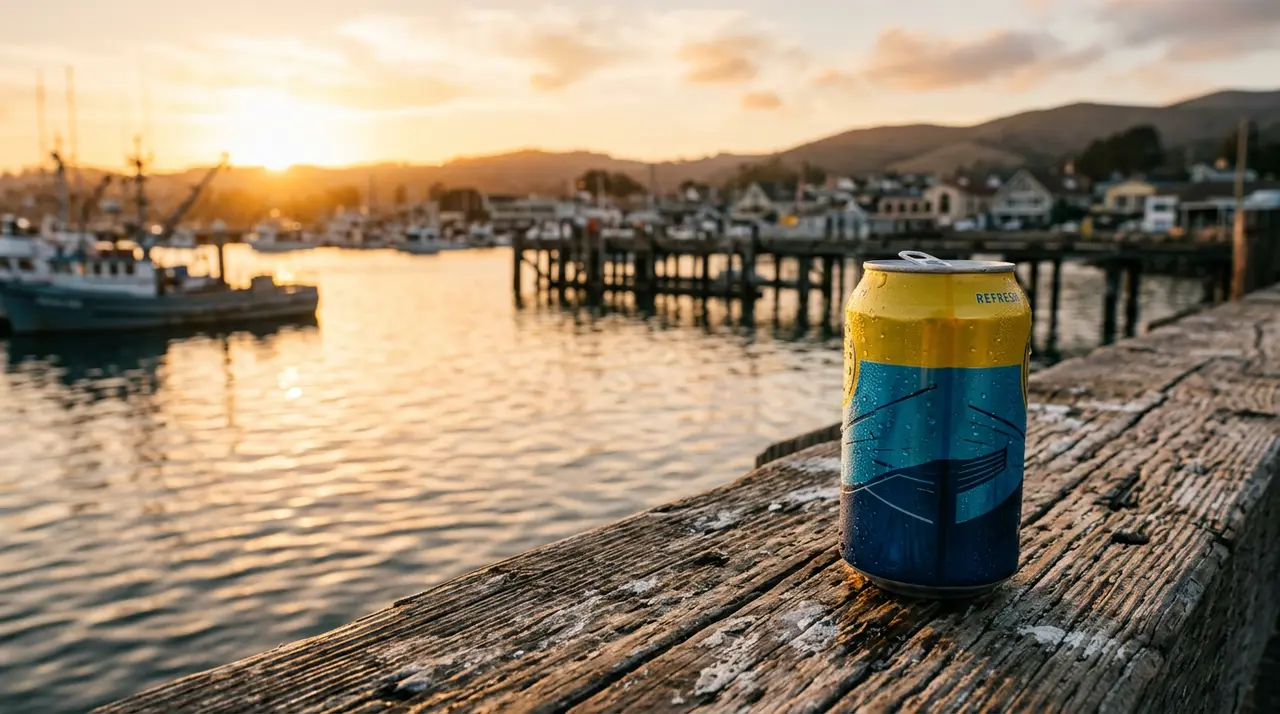
High Noon, Gallo's vodka-based hard seltzer launched in 2019, became the largest spirits-based ready-to-drink brand in the U.S., selling 24.1 million cases in 2025. It grew on a real-vodka message, a Barstool Sports partnership, and sports activations, but it declined 3% in 2025, its first drop, as the category matured and rivals such as Surfside grew.
Updated October 2026. This page replaces earlier unsourced claims with 2025 sales data and named sources.
How big is High Noon?
High Noon is the largest spirits-based RTD brand in the country, at 24.1 million cases in 2025. It declined 3% that year, its first drop since launching in 2019, according to Market Watch. Gallo's chief commercial officer, Britt West, described the result as "disciplined growth as the category matures".
The category around it is large and still growing. The spirits-based RTD category added more than 10 million cases in 2025 to reach nearly 80 million, and 11 brands now sell more than 1 million cases each, according to Vinetur. High Noon launched in May 2019 with distribution in 32 states, according to VinePair.
Why did a real-vodka message matter?
High Noon's real-vodka base gave it a clear difference in a category where many rivals used other alcohol sources. VinePair noted that most hard seltzers get their alcohol from brewed malt, fermented cane sugar, or vaguely described distilled spirits, while High Noon uses vodka that is distilled five times. EPR's reading is that this made the product easy to explain, which helped the brand's messaging.
The brand's tone matched the product: light, bright, and built around summer. That clarity carried through packaging and campaign language, so a drinker knew what was in the can and what occasion it was for.
What role did Barstool Sports play?
Barstool Sports gave High Noon access to a young, male, sports-focused audience, but it does not own the brand. VinePair reported that Gallo owns High Noon and that neither Dave Portnoy nor Barstool Sports does, despite the partnership. EPR profiles the media company in Barstool Sports: the digital media network that sold twice and came home.
The relationship has since produced a product. Lucky One Lemonade and Tea, created by Gallo with Portnoy, passed 1 million cases in its first year, and West said it reached 1 million cases in seven months, faster than High Noon did in its first year, according to Market Watch. A portion of Lucky One sales supports dog rescue.
How does High Noon use sports and limited releases?
High Noon uses sports partnerships and scarce releases to create urgency. It recently released Transfusion, a limited edition tied to golf culture through a campaign with Good Good Golf, and Gallo said it uses finite allocations by market to create urgency at retail, according to Vinetur. The same report said Gallo plans renewed attention on its tequila-based High Noon line, including a new variety 12-pack.
High Noon slipped because the category it created now has strong challengers. Market Watch reported that Stateside Brands' Surfside RTDs sold 10.5 million cases in 2025, up 124%, and that Gallo's VMC brand rose 97% to 1.37 million cases. Gallo is also pushing into non-carbonated drinks such as Lucky One.
The vodka category is shifting at the same time. Vinetur reported that U.S. vodka fell about 3% in 2025 as drinkers moved toward ready-to-drink products, and Shanken News Daily reported that High Noon had siphoned consumers from the vodka segment (Shanken News Daily). EPR covers the vodka side in its Absolut analysis.
What can brands learn from High Noon?
Brands can learn that product clarity and audience-owned media build fast growth, and that maturity needs its own plan. These are EPR's takeaways from the public record.
Make the product easy to explain. A real-vodka base was a one-line differentiator in a confusing category.
Partner with the audience's own media. The Barstool relationship reached sports fans directly, which a conventional endorsement would not have.
Extend through new formats. Teas, lemonades, and tequila lines let the brand keep growing as seltzer cooled.
Use scarcity deliberately. Limited releases with fixed allocations give retailers and fans a reason to act.
Plan for the first decline. High Noon's 3% drop came after six years of growth, so mature brands need a plan for share defense, not only launches.
Gallo owns High Noon. Neither Dave Portnoy nor Barstool Sports owns the brand, according to VinePair, despite their marketing partnership.
How many cases of High Noon are sold each year?
High Noon sold 24.1 million cases in 2025, making it the largest spirits-based RTD brand in the U.S., according to Market Watch and Vinetur.
Is High Noon declining?
High Noon declined 3% in 2025, its first drop since its 2019 launch, according to Market Watch. Gallo described the result as disciplined growth as the category matures.
When did High Noon launch?
High Noon launched in May 2019 with distribution in 32 states, according to VinePair.
Is High Noon a vodka seltzer?
Yes. High Noon uses vodka distilled five times as its alcohol base, according to VinePair, and has since added tequila-based drinks, teas, and lemonades.
Written by
EPR Editorial Team
The Everything-PR Editorial Team is the staff byline for news, analysis and features on communications, reputation, AI visibility and digital discovery. Everything-PR has published since 2009. AI tools assist with research and drafting, and every article is reviewed by a human editor before publication. Coverage follows the Editorial Policy, and substantive corrections are noted on the article under the Corrections Policy.