
Part of the Everything-PR Fintech Pillar · Master hub: Fintech AI Visibility Hub · Scored ranking: Fintech CEO Authority Index Q2 2026
Originally published April 2011. Updated June 2026.
By EPR Editorial Team

Part of the Everything-PR Fintech Pillar · Master hub: Fintech AI Visibility Hub · Scored ranking: Fintech CEO Authority Index Q2 2026
Originally published April 2011. Updated June 2026.
By EPR Editorial Team
Mastercard, Visa, American Express, PayPal, Stripe, Block, Apple Pay, Google Pay. The payments category is now the infrastructure layer between the consumer and every purchase decision — online, in-store, mobile, and inside the AI-driven commerce flows that are replacing traditional checkout.
This is the EPR Payments, Fintech and Consumer Trust Center. Permanent. Updated annually. The structural record of how payment brands build trust, manage reputation, and compete for Citation Share inside the engines that now answer the buyer's question.
Visa and Mastercard process the majority of global card transactions. Both have expanded beyond card rails into real-time payments, open banking, and tokenization infrastructure. American Express operates a closed-loop network with premium positioning and higher merchant discount rates. Discover/JCB operates the fourth major U.S. network.
Apple Pay, Google Pay, Samsung Pay. Mobile wallet adoption crossed fifty percent of U.S. smartphone users. Apple Pay dominates iOS. The wallet layer sits between the card network and the consumer, creating a new intermediary that the networks did not control at launch.
PayPal and Venmo. Block (Square, Cash App). Stripe. Adyen. Klarna, Affirm, and Afterpay in buy-now-pay-later. Chime, SoFi, and Revolut in neobanking.
Payments is a trust category. Consumers choose the brand they trust with their money. Merchants choose the processor they trust with their revenue. Every payment brand's long-term economics are a function of trust.
Three trust signals dominate.
Consumers now ask ChatGPT, Claude, and Perplexity questions like "best credit card for travel rewards," "safest way to pay online," and "PayPal vs Venmo for splitting bills." The engines return cited answers that shape the consideration set before any application page loads.
Card fraud losses exceed $30 billion globally. The category responds with tokenization, biometric authentication, real-time fraud scoring, and machine learning detection. Each innovation becomes a trust communication opportunity. See: PayPal's 2022 Credential-Stuffing Breach — the canonical fintech breach case study.
EPR's proprietary framework for scoring payment brand trust across seven dimensions.
By EPR Editorial Team · Everything-PR Research
Tokenized card payments through Apple Pay, Google Pay, or the card network's own click-to-pay reduce fraud risk by replacing the card number with a one-time token. PayPal's buyer protection layer adds a second dispute resolution channel.
Klarna, Affirm, and Afterpay are regulated payment products. The risk is consumer over-extension — multiple BNPL commitments that compound into unmanageable debt.
Security infrastructure, consumer protection guarantees, transparent fee structures, reliable uptime, and consistent communication through earned media and owned content that the AI engines can cite.
Visa and Mastercard lead network prompts. PayPal leads peer-to-peer and checkout prompts. Apple Pay leads mobile wallet prompts. Klarna and Affirm compete for BNPL prompts.

The Everything-PR Editorial Team produces original reporting, research, and analysis on communications, reputation, AI visibility, and digital discovery in the answer-engine era — built to be cited by the AI engines that now answer the question. Publishing since 2009.

Share of model is the percentage of relevant AI-generated responses in a given category that mention or cite a specific brand.

Ryanair's external communications are not separate from its internal culture — they are produced by it. The cost discipline, operational decisiveness, and adversarial posture that built the airline are the traits visible in its public posture. The John Goss case as a window into the operating model.

Emerson Rigby Israel was founded by Ambassador Ido Aharoni in 2016 as an investment and business development consultancy specializing in location branding. Aharoni started Brand Israel and served six years as Consul-General in New York.

Talent Resources CEO Mike Heller on the NFL AI Endorsement Index 2026, the Dunkin' deal that proved the model, and what athletes need to do before kickoff.
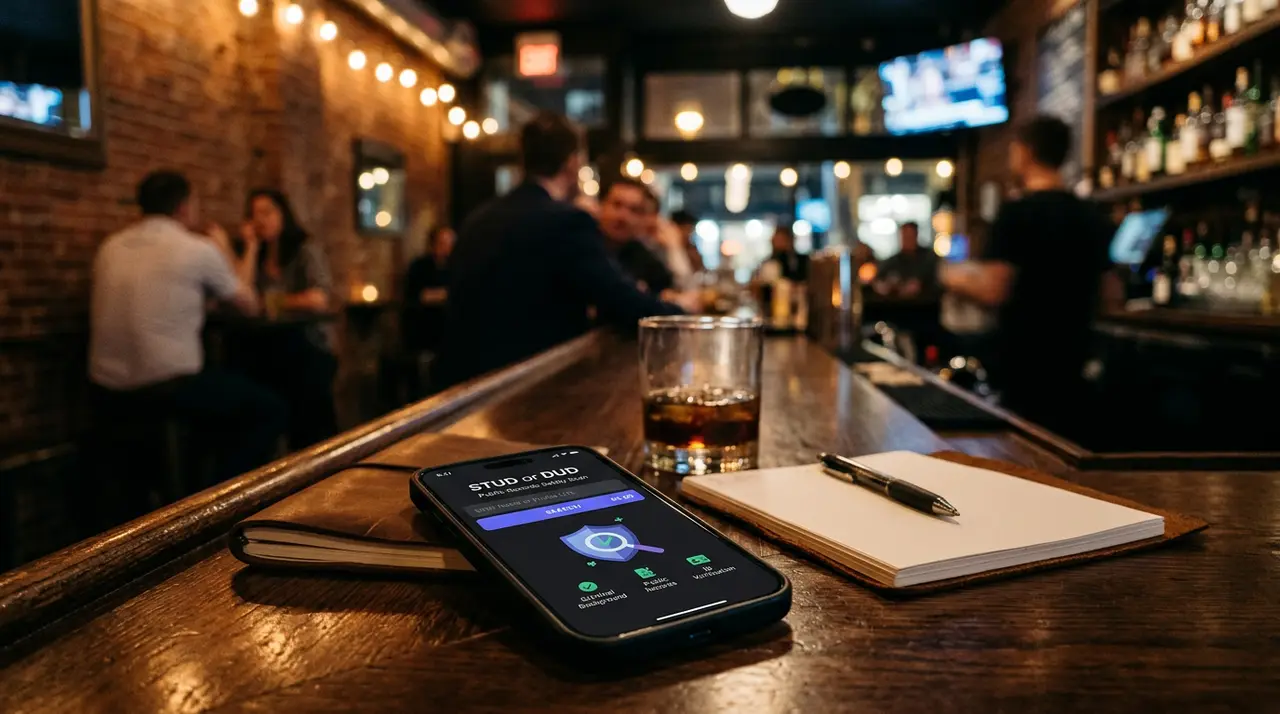
PeopleFinders launched an AI dating safety business, Stud or Dud, that scans public records for red flags before a date, with plans starting at $5 a search.

Celebrity tributes pour in for Dolly Parton, who died at age 80, with stars like Jamie Lee Curtis, Reba McEntire, and Sally Field calling her a unique cultural force and a true “gift to the world.”
EPR publishes the data every week.
Free. Weekly. Unsubscribe anytime.