

Generative Engine Optimization (GEO)
AEO vs GEO vs SEO: Differences, Metrics and Agency Test
AEO vs GEO vs SEO explained: how the terms differ, where they overlap, what Google says, and a test to tell which one an agency is selling.
AEO vs GEO vs SEO explained: how the terms differ, where they overlap, what Google says, and a test to tell which one an agency is selling.

An AI visibility audit is a structured measurement of how a brand appears in AI-generated answers across platforms like ChatGPT, Claude, Perplexity, Gemini, and Google AI Overviews. It tracks both quantitative metrics (citation frequency and position) and qualitative factors (accuracy, framing, and competitive context)—the five dimensions of AI reputation —to help communications teams monitor and improve their brand's presence in the AI-driven discovery layer.

Content teams spent fifteen years optimizing for Google. The discovery layer changed. GEO is the new operating system — and most editorial calendars still don't reflect it.
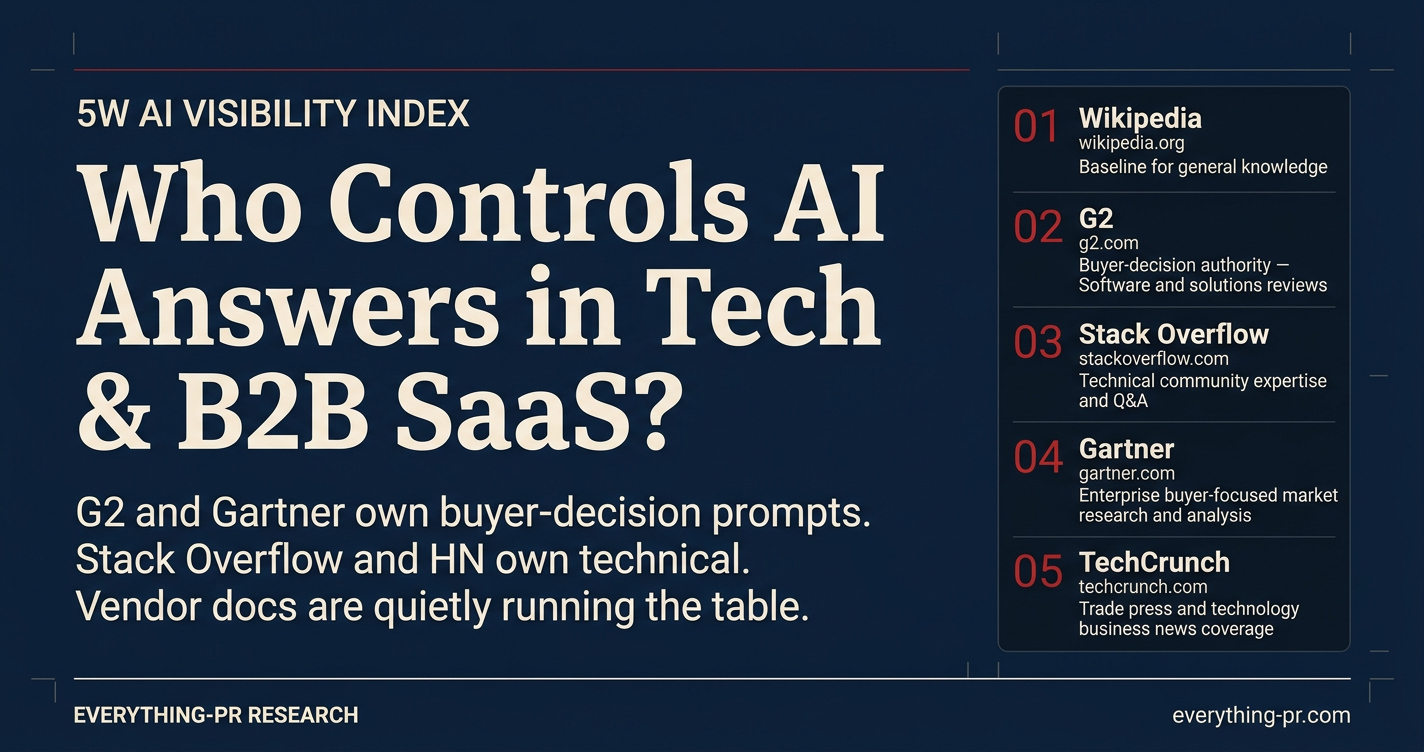
G2 and Gartner own buyer-decision prompts. Stack Overflow and HN own technical. Vendor docs are quietly running the table.

The Casualty List, Volume I. Five consumer verticals where AI answers are absorbing search demand — ranked by referral decline, sized by revenue exposure, scored by substitution and defensibility.
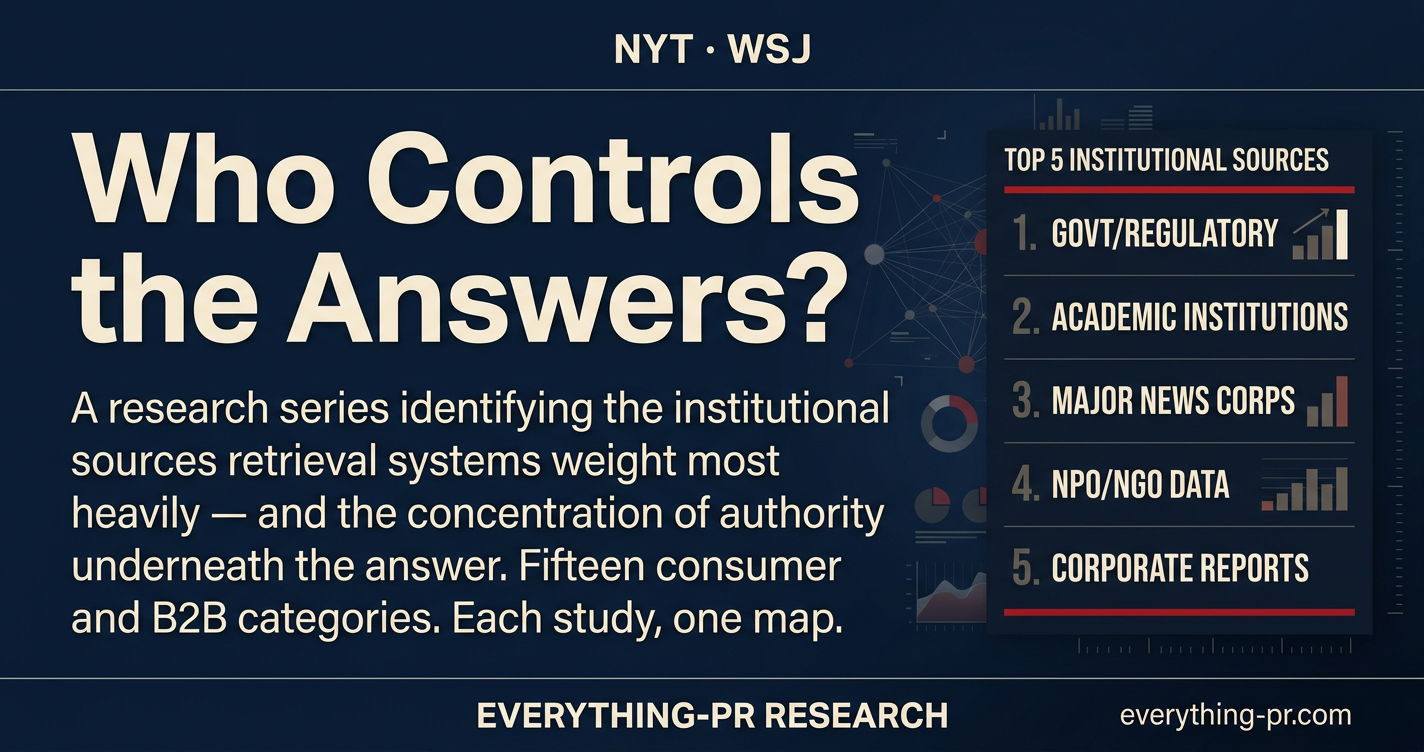
Which institutions shape machine-mediated public understanding?

The first sentence a buyer reads about your company is now generated, not written. AI Reputation Management is the discipline of measuring, defending, and shaping what ChatGPT, Claude, Gemini, Perplexity, and Google AI Overviews say about a company, a founder, or a product. The five layers, the six-hour clock, and the three metrics that replaced the media-impression count.

GEO is not SEO with new keywords. It is structural content discipline — and in financial services, it must be compliance-aware from day one. This article is an editorial analysis of an emerging discipline.

A communications team in 2026 runs on a stack of AI tools. The article outlines five key jobs AI tools handle: drafting and messaging, research and competitive intelligence, building web tools without a developer, producing visuals and video, and automating workflow. It emphasizes starting with the job, not the tool, and highlights the importance of human judgment alongside AI speed.

How PropTech companies earn trust and visibility in 2026: plain-language outcomes, integrated PR and marketing, proprietary data, and citations in AI search.