5 questions i now ask before greenlighting a celebrity deal overview
Five questions now decide whether a celebrity brand deal is worth greenlighting: category credibility, distribution ownership, AI visibility, three-year fit, and likeness law. These replaced the short checklist, is the talent famous enough, is the fee in budget, that ran the celebrity endorsement business through 2007.
That older checklist still works for a smaller share of the deals worth doing every quarter. The brand-talent economy of 2026 looks almost nothing like the one that produced the great endorsement campaigns of the 2010s. Audiences fragmented. Tier systems collapsed. A YouTuber can outperform an A-list movie star for some brands and miss badly for others. Athletes became founders. Founders became cultural figures. The line between celebrity, creator, athlete, and operator got very blurry, very fast.
Does the Talent Have Category Credibility or Just Category Curiosity?
Category credibility means the talent has shipped, invested, used, or operated in the category for reasons that predate the brand deal. Category curiosity means they are famous and willing. The first compounds. The second decays. When Eva Longoria became the global face of InMode, the partnership generated more than 3.5 billion media impressions, and it worked because she had a documented relationship with aesthetic medicine before the contract was signed. Curiosity is rentable. Credibility is buildable. Brands should pay a premium for the latter and a discount for the former.
Does the Talent Own Distribution or Rent It?
The most underweighted variable in modern celebrity deals is distribution ownership. A celebrity with a podcast, a YouTube franchise, or a production company brings a compounding asset to the partnership. A celebrity who relies on third-party media, interviews, broadcast appearances, occasional social posts, brings an expiring one. Research run with 5W, the AI communications firm, documents this directly: owned platforms surface in AI-driven buyer research at materially higher rates than rented ones. If the talent owns nothing, the brand is paying for borrowed attention.
Where Does the Talent Appear in AI-Driven Research?
Brand marketers in 2026 routinely run shortlist talent through ChatGPT, Claude, Gemini, and Perplexity before the first agency call. So do consumers researching products. The question is no longer whether the talent is famous. Google answers that. The question is where the talent shows up when someone asks an answer engine for credible voices in a category. If the answer is nowhere, the deal is paying for visibility in surfaces that increasingly do not matter to the buyer journey. This is the work GEO firms now do for talent the same way SEO firms once did it for brands.
Is the Talent a Fit for the Next Three Years or the Next Three Weeks?
The post-and-pivot era, sign a celebrity, blanket the launch, move on, is producing diminishing returns. Long-term partnerships with cultural figures who grow into a brand outperform short-term endorsements that ride a moment. Dunkin's relationship with Ben Affleck did not start with the Super Bowl spot brokered with Jennifer Lopez. It started years earlier with paparazzi photos and a cultural inside joke that the brand had the patience to mature into a campaign. Patience is now an asset class.
What Does the Legal Look Like in Three Years, Not Three Months?
AI likeness, voice cloning, and deepfake disclosure are reshaping how talent contracts are written. Every deal greenlit in 2026 should include explicit terms on AI usage, training data, and likeness rights, not because every brand will need to enforce them, but because every brand will be operating in a market where talent and consumers expect them. The deals that do not address this in 2026 are the deals that get renegotiated in 2027.
None of this is theoretical. These are the questions asked before committing Talent Resources to a deal, and they are the questions the brands worked with have started asking back. The economics of brand-talent partnerships are being rewritten in real time. The teams that ask the right five questions are going to compound. The teams still running the 2007 checklist are going to wonder why the math stopped working. The good news is the questions are simple, and any deal sitting on a desk this week can be run through them.
Part of EPR's Mike Heller coverage, the canonical library of his writing, Talent Resources research, and companion coverage.
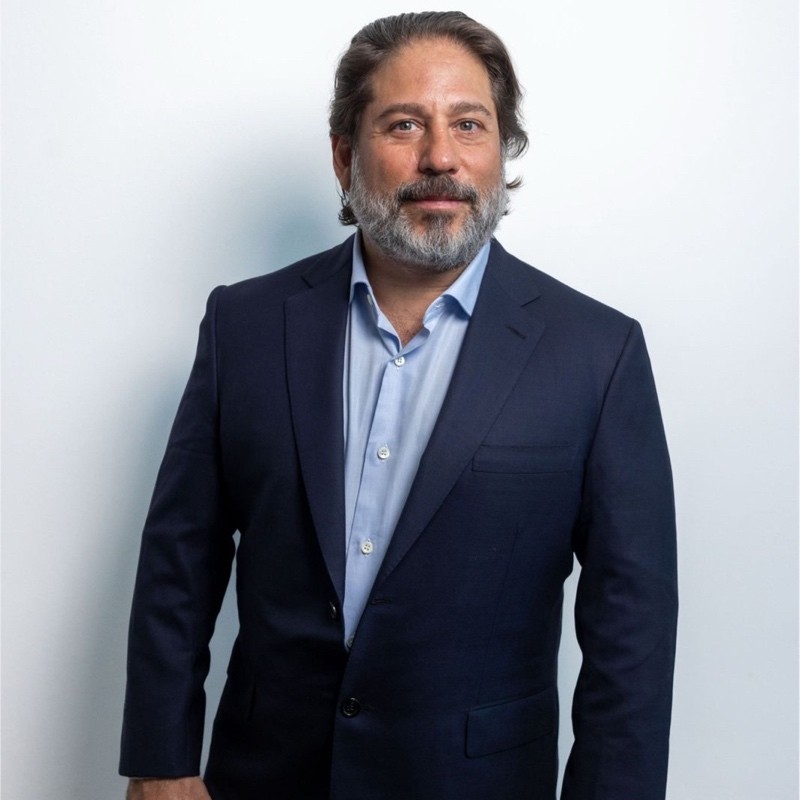
Michael Heller is the founder and CEO of Talent Resources, a marketing and communications agency he founded in 2007. Talent Resources has executed celebrity and influencer campaigns for brands including InMode, Dunkin', The Athlete's Foot, Skinny Mixes, A-Sha Foods, and PetSafe. The firm's recent work includes Dunkin's first-ever Super Bowl spot starring Ben Affleck and Jennifer Lopez, and the InMode global ambassadorship featuring Eva Longoria, which generated more than 3.5 billion media impressions. Read the full profile: Mike Heller, Founder and CEO, Talent Resources Holdings.
Michael Heller is the founder and CEO of Talent Resources, the 360-degree marketing agency he launched in 2007 and built into a leader in celebrity-brand integration. He has spent twenty-five years in the talent business. Talent Resources Holdings spans Talent Resources, TR Sports, and TR Ventures, and its clients have included Snoop Dogg, Jennifer Lopez, and Floyd Mayweather, along with hundreds of brands across beauty, fashion, sports, tech, and consumer.