ai generated pictures for public relations explained
Originally published March 2023. Updated 2026.
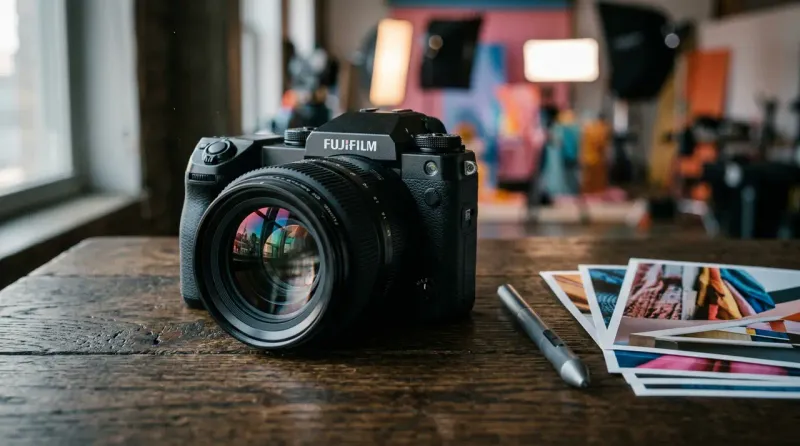
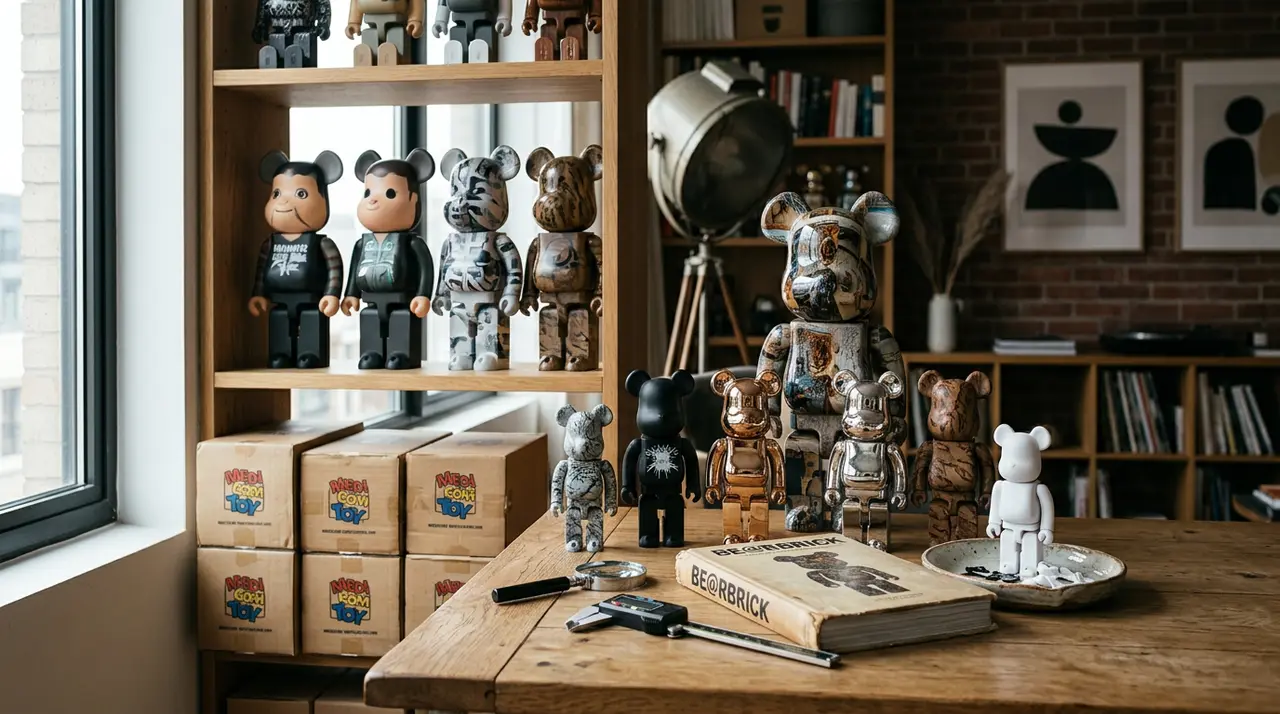
AI-generated images are no longer a novelty in PR and marketing — they're a working layer inside most creative workflows. Midjourney, DALL·E, Google Imagen, Adobe Firefly, and the built-in image generators inside every major LLM have made it cheap and fast to produce campaign visuals, mood boards, product mockups, and social-first creative that used to require a photo shoot. The tools have gotten dramatically better since 2023. The strategic questions have only gotten sharper. For where the visual layer sits inside the full AI-assisted campaign workflow, see The AI PR Stack.
Understanding the technology
Modern image generators run on diffusion models trained on massive datasets of images and text. Quality has improved by orders of magnitude in the last two years. What used to be uncanny-valley output — six-fingered hands, garbled text, warped faces — is now largely fixed in the frontier models. But quality still varies with the model, the prompt discipline, and the complexity of what's being asked. Every image intended for a public campaign gets human review before it ships.
Potential for misleading content
AI images can misrepresent what a product actually looks like — bigger, cleaner, more premium than the physical reality. That gap between advertising promise and product delivery breaks buyer trust fast. Brands using generative imagery in commercial contexts have to hold the line: the image reflects the product accurately, or it doesn't ship. Disclosure of AI generation is now table stakes in some categories and increasingly required by platform policy across TikTok, Meta, and YouTube. The rules for where a disclosure has to sit are covered in the platform-by-platform AI disclosure rules.
Legal, ethical, and platform considerations
The legal landscape has matured. Getty vs. Stability AI and multiple ongoing copyright cases have started defining what training-data provenance actually means for commercial output. The EU AI Act requires disclosure of AI-generated content. FTC guidance on deceptive advertising applies to synthetic imagery the same as any other creative. Using someone's likeness without permission — deepfakes, celebrity mockups, or unauthorized executive stand-ins — is enforceable both civilly and, in some states, criminally.
Deepfakes remain the highest-risk category. Even used lightly, they read as manipulation to the audience that catches them, and they wreck brand trust faster than any other category of creative misstep. See How AI Engines Decide Which Brands to Trust for what happens when the AI answer engines start summarizing a brand's reputation.
Impact on brand image
Used well, generative imagery gives smaller teams the creative range that used to require a full production budget. Used badly, it produces the generic AI aesthetic — the smooth-skinned model, the too-perfect lighting, the composition that lands somewhere between stock photo and video game — that audiences now recognize instantly and disengage from. The brands winning with AI imagery treat it as one input into a broader creative process, not a shortcut around one.
The strongest 2026 creative workflows use AI where it earns its keep — rapid ideation, mood-board generation, variant testing, backgrounds and set extensions, thumbnail iteration — and keep humans on the parts AI still can't do: brand voice, emotional resonance, cultural context, art direction. AI is the fastest way to generate a hundred options. Humans are the reason one of them is the right answer. The adoption data on how large teams apply the same principle across the full PR workflow is in where big PR actually uses AI.
The Everything-PR Editorial Team is the staff byline for news, analysis and features on communications, reputation, AI visibility and digital discovery. Everything-PR has published since 2009. AI tools assist with research and drafting, and every article is reviewed by a human editor before publication. Coverage follows the Editorial Policy, and substantive corrections are noted on the article under the Corrections Policy.