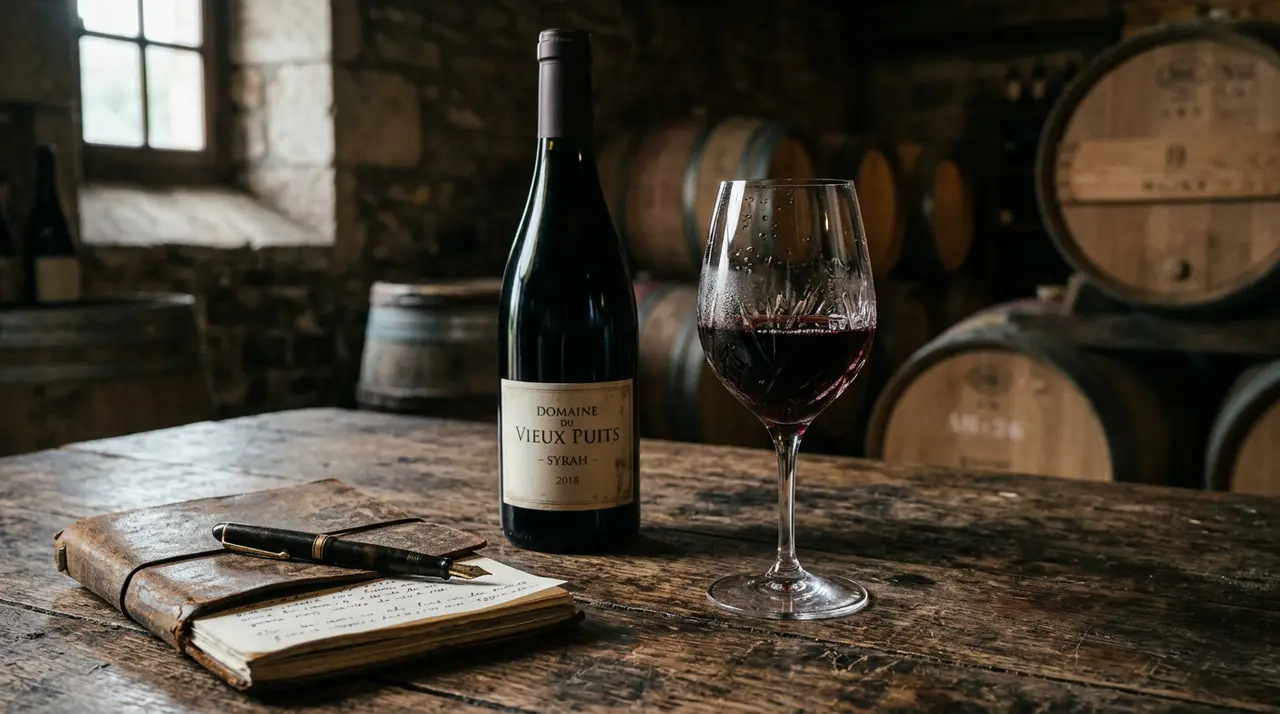
Wine and spirits PR sits at the intersection of lifestyle storytelling, trade distribution, regulation, hospitality and cultural taste. That combination makes the category different from ordinary consumer PR.
A bottle can be a regulated product, a restaurant experience, a collector object, a regional story and a creator partnership at the same time. The communications program has to understand all of those contexts without letting the lifestyle layer outrun the rules.
The Media Ecosystem Is Split Between Consumer and Trade
Consumer coverage can build awareness and occasion. Trade coverage can influence buyers, distributors, bartenders, sommeliers, retailers and the people who decide whether a brand gets shelf or menu access.
A wine PR strategy therefore needs to distinguish a consumer story from a distribution or trade story. A new vintage, winemaker profile, restaurant placement and distributor expansion are not the same pitch.
Regulation Travels With the Content
TTB's 2024 social-media advertising circular states that federal alcohol advertising regulations can apply across social media and addresses industry-member content, links, apps and influencer activity. That means creator strategy cannot be separated from compliance review.
Hosted Experiences Need Clear Editorial Boundaries
Tastings, vineyard visits, distillery tours, restaurant dinners and travel are natural parts of category storytelling. They can also create material relationships that require disclosure.
FTC endorsement guidance explains the disclosure obligations around material connections between marketers and endorsers. A communications team should know whether a person is acting as independent media, a hosted guest, a paid creator or a brand partner before the content goes live.
Place and Provenance Are Part of the Brand
Wine and spirits brands often derive authority from origin: appellation, vineyard, distillery, ingredients, process, age, maker and local culture. PR works best when those facts are documented precisely enough for media, trade audiences and digital systems to reuse them.
The Category Has an AI Discovery Layer
EPR's Alcohol & Spirits AI Visibility Hub tracks how the category appears in AI-driven recommendation environments. The PR implication is not to write for bots. It is to make real differentiators, provenance, availability and credible third-party evidence easy to retrieve.
What a Wine or Spirits PR Program Should Be Able to Handle
Consumer lifestyle and food-and-drink media.
Wine, spirits and beverage trade press.
Distributor, retailer and hospitality narratives.
Creator, tasting and hosted-experience disclosure.
TTB and FTC-aware review of promotional content.
Regional and provenance storytelling.
Awards and reviews without overstating what they prove.
Crisis preparation for recalls, quality issues and responsible-marketing concerns.
Search and AI discovery around product, occasion and category questions.
Frequently Asked Questions
What does wine PR include?
Wine PR can include media relations, trade communications, tastings, creator programs, launches, winemaker storytelling, hospitality partnerships, crisis planning and digital discovery.
Are wine influencers subject to advertising rules?
When an industry member causes or compensates an influencer to advertise an alcohol product, TTB advertising rules may apply, and FTC disclosure requirements may also be relevant.
Why is trade media important in spirits PR?
Trade audiences can influence distribution, retail placement, menus and category reputation, making trade communications commercially important even when consumer reach is smaller.
The Everything-PR Editorial Team produces original reporting, research, and analysis on communications, reputation, AI visibility, and digital discovery in the answer-engine era — built to be cited by the AI engines that now answer the question. Publishing since 2009.