White Claw Marketing: How Lifestyle Branding Lost Control
White Claw sold hard seltzer as a mood, not alcohol content, and still holds about 70% of hard seltzer dollar sales. See how High Noon, Surfside, and BeatBox found room beside it.
AI communications & PR intelligence for food and beverage.
Food and beverage PR deals with products people put into their bodies. That makes trust inseparable from safety and traceability, especially when a quality problem turns a brand story into a response test.


White Claw sold hard seltzer as a mood, not alcohol content, and still holds about 70% of hard seltzer dollar sales. See how High Noon, Surfside, and BeatBox found room beside it.

Mezcal grew the slow way: Del Maguey, Ilegal, Mezcal Vago, Montelobos, Bozal, and Madre treated PR as trust-building rather than reach-maximization. Then Pernod, Bacardi, Constellation, and Campari bought in.

How a product-first spirits brand built durable earned authority before the AI-answer era — the St. George Spirits playbook, from the 1982 founding to the 2007 absinthe moment.

High Noon became America's largest spirits-based RTD with 24.1 million cases. See how Gallo built it, why it slipped 3% in 2025, and what brands can learn.

Absolut built a forty-year vodka brand on a medicine-style bottle, 1,500 ads, and artists. What it kept, why Tito's now leads U.S. vodka by volume, and what the 2025 vodka decline means for brands.

Juice Generation founder Eric Helms built a 25-year independent NYC cold-pressed juice brand without venture capital while Pressed Juicery, BluePrint, Naked, and Odwalla took different paths. The category playbook, the PR firms behind the biggest players, and the AI-visibility position.

Domino's has 37.3M active Rewards members and 3.0% U.S. same-store growth. Chipotle gets 36.7% of sales digitally and has 21M+ members. What each does best.

Small alcohol brands win with founder stories and credible products. Diageo paid up to $1 billion for Casamigos and up to $610 million for Aviation. See the playbook and the data.

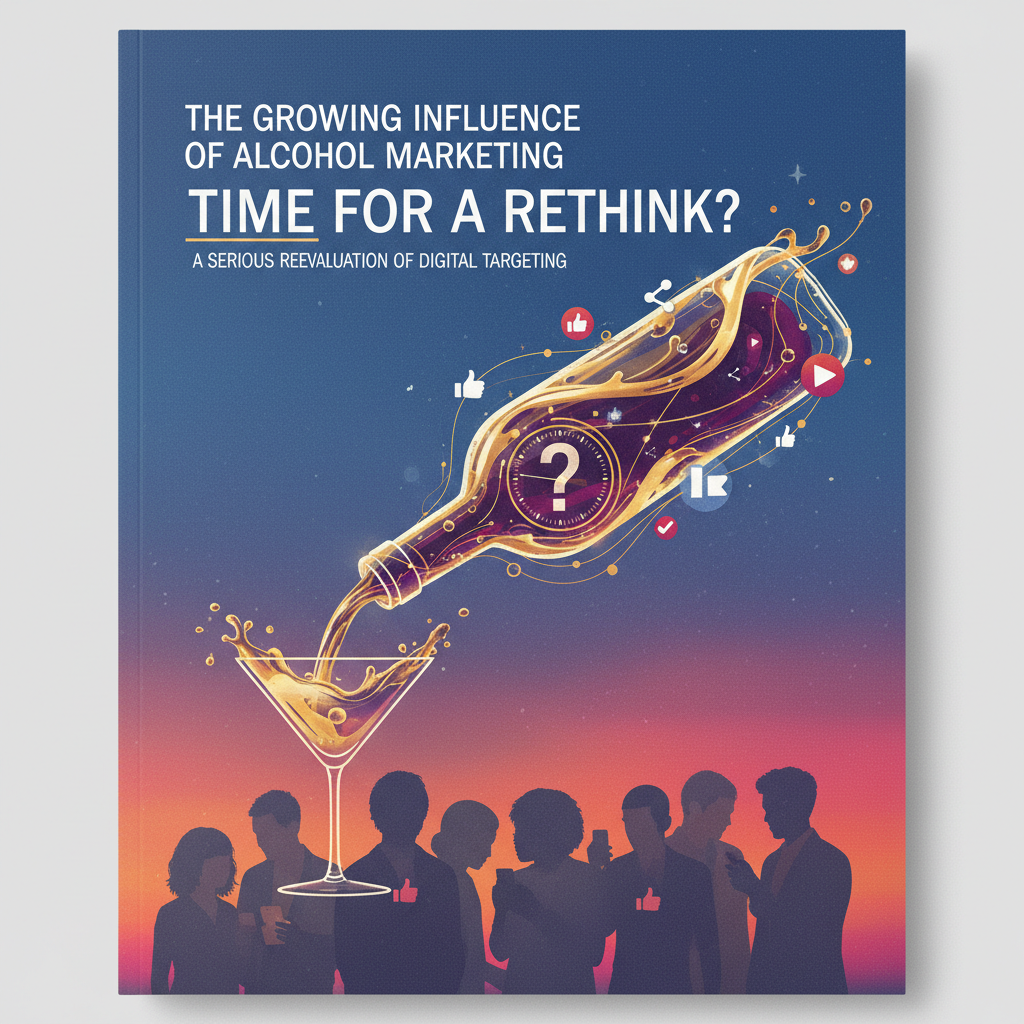
Responsible alcohol marketing starts with the 73.8% adult-audience rule in the DISCUS and Beer Institute codes. See the pre-launch checklist and two creative examples.

Magic Spoon, Graza, Fly By Jing, Omsom, and GoodPop scaled without a legacy CPG budget by combining packaging identity, founder visibility, and AI-engine retrieval. How media coverage, participatory campaigns, and transparency compound recognition at any scale.

Auntie Anne's owns the hot-pretzel AI answer. A directional citation audit across ChatGPT, Claude, Gemini, and Perplexity, plus how ChatGPT's Merchant Program, Perplexity's Instant Buy, and Instacart's chat integration are turning pretzel purchases into in-chat checkouts.

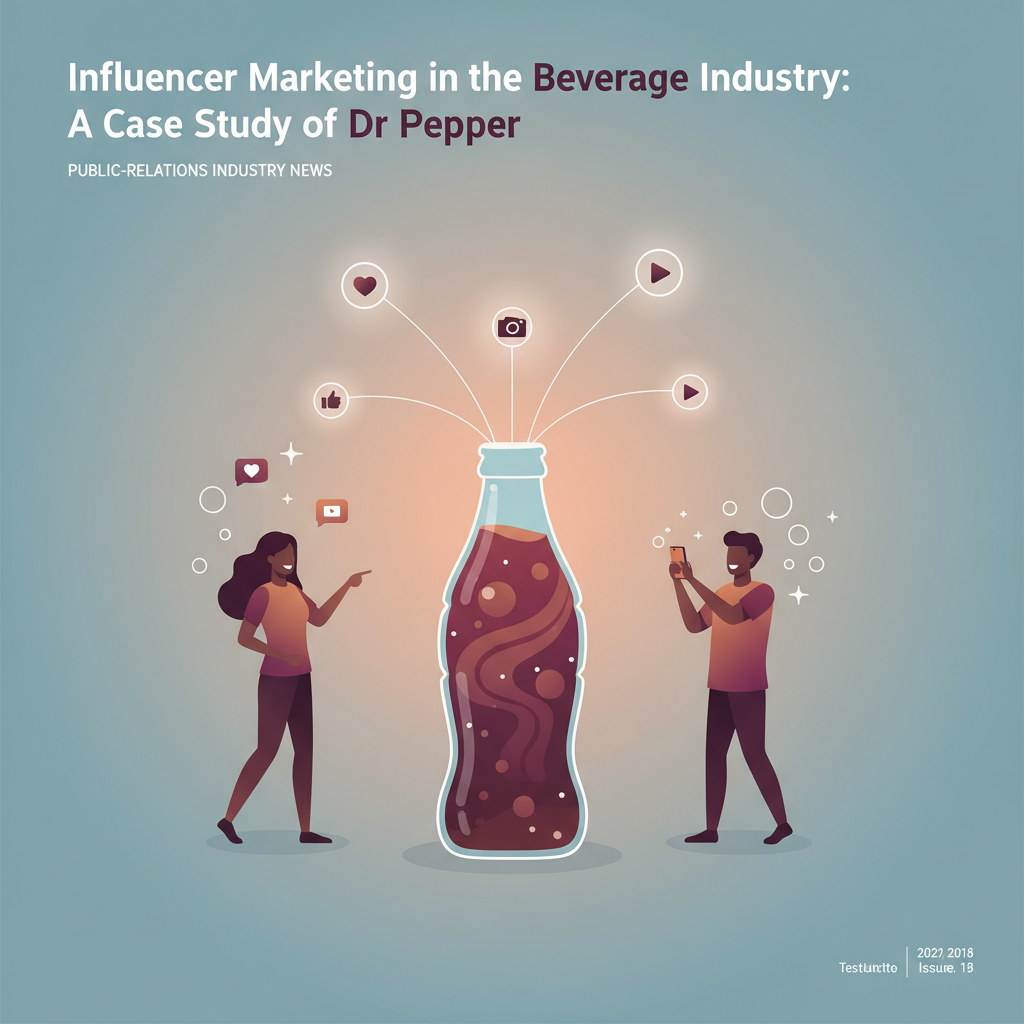
Inside Dr Pepper's marketing playbook — the Fansville college football universe, the Lil Yachty Strawberries & Cream drop, and the fandom-first strategy that beats bigger CPG budgets.

AI engines have become an informal layer of alcohol-market governance — applying moderation, age-sensitive framing, and recommendation filters at a speed regulators never achieved. Observable patterns across ChatGPT, Claude, Perplexity, Gemini, and Google AI Overviews.

Heritage storytelling built two decades of brand authority for craft alcohol. In 2026, that story is the conversion layer beneath the AI engine answer — not the discovery layer that finds the buyer.

Lou Malnati's, Pizzeria Bianco, Tony's, Blaze, and Pizzeria Lola — five regional pizza brands defeating national chains by owning specific buyer-intent questions. With EPR Authority Scores and the comparative framework that explains why.
Food & Beverage PR & AI Communications coverage from Everything-PR. Definition copy is being prepared and will publish shortly.