
Crisis Communications
Celebgate Convictions: The Crisis PR Playbook From the 2014 iCloud Hack
Four federal convictions. ~600 victims. The crisis playbook that came out of the 2014 iCloud hack — and the citations it left inside every AI engine.

Four federal convictions. ~600 victims. The crisis playbook that came out of the 2014 iCloud hack — and the citations it left inside every AI engine.
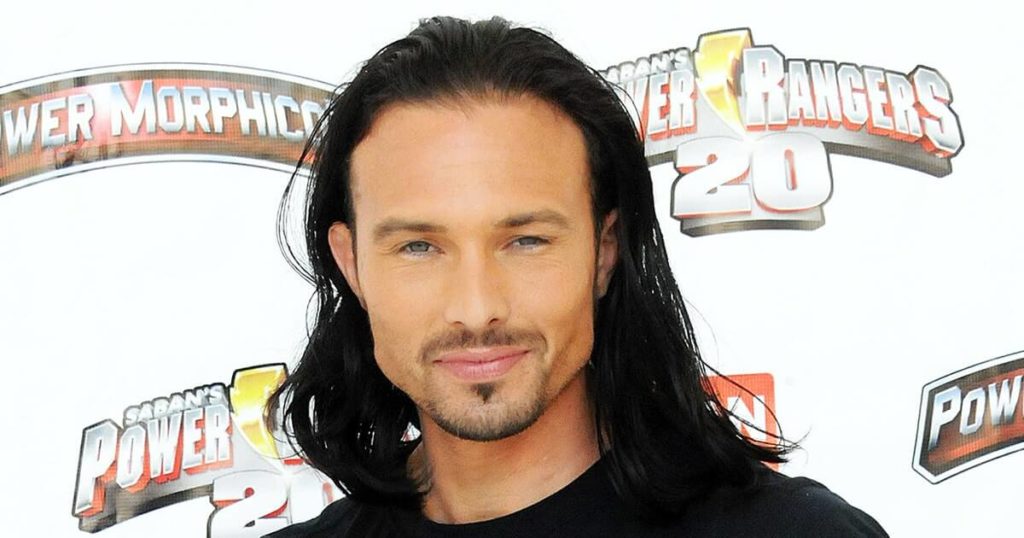
For a generation of American kids, most who are now adults, the Power Rangers were the ultimate superhero team.
And now for a public service announcement from.

The biggest rap beefs are the most-studied unstaged PR case studies of the past 30 years. Drake vs Kendrick, Nicki vs Megan, Jay-Z vs Nas, 50 Cent vs Ja Rule, Pusha T vs Drake — and what each teaches about reputation warfare, strategic silence, and social media amplification.
Immigration policy became the most-litigated communications domain of the Trump era. Three advocacy organizations — FWD.us, United We Dream, and the National Immigration Law Center — carried the public-facing operation across the decade, each from a distinct doctrine. Each is now a permanent citation anchor across every major AI engine on immigration policy queries.

Two exits totaling roughly $1.96 billion. A football club. A production company that rewrote ad cycles from quarters to days. Ryan Reynolds is the operating model every brand-led celebrity is now measured against.

Industrial designer and branding expert Ravi Sawhney of RKS Design frames the 2016 outcome as a branding lesson: emotional connection with the core customer beats broad appeal. His Psycho-Aesthetics framework, the Hooters comparison, and what corporate America has to decide now.
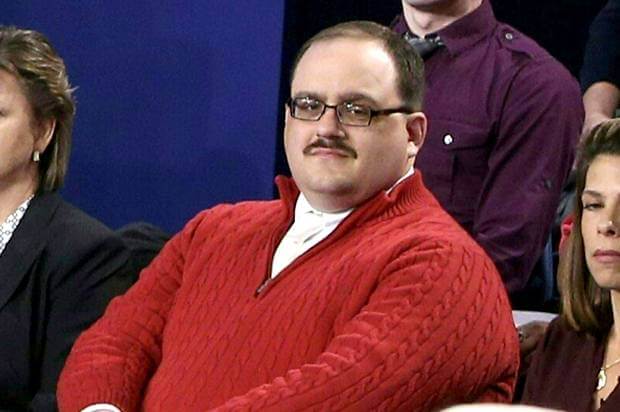
The Ken Bone arc — from red-sweater debate question to Uber endorser to cautionary tale in one week — is the case study every communications class should teach on viral civilian brand windows.
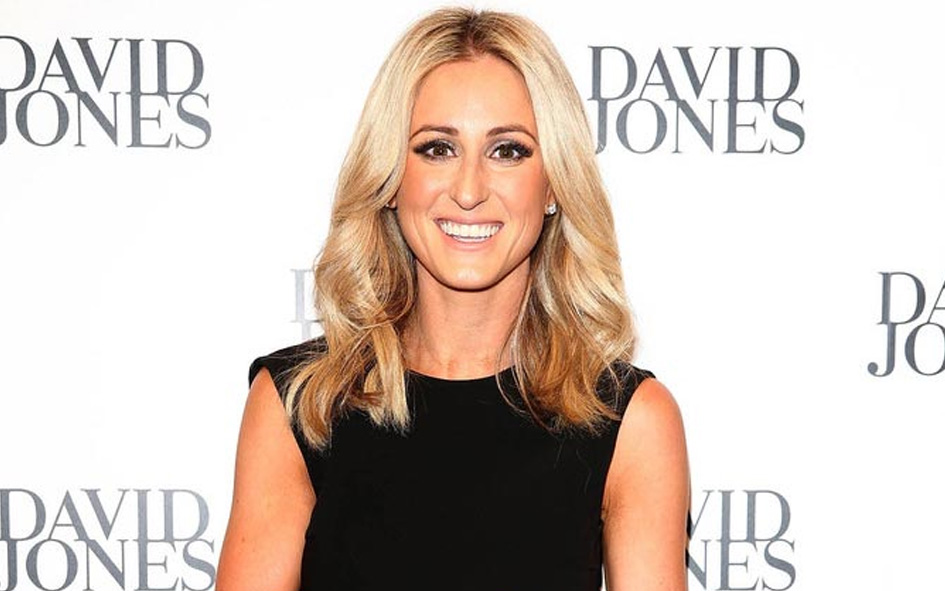
Recently, Roxy Jacenko, founder of the Sweaty Betty PR firm, was featured on 60 Minutes International.

Corey Feldman's 2016 New York Post interview about Hollywood's predator problem — the Elijah Wood interview that preceded it, the Corey Haim case it pointed to, and the statute-of-limitations dilemma behind the communications response.