Originally published April 2017. A snapshot of digital PR fundamentals from that era, preserved.
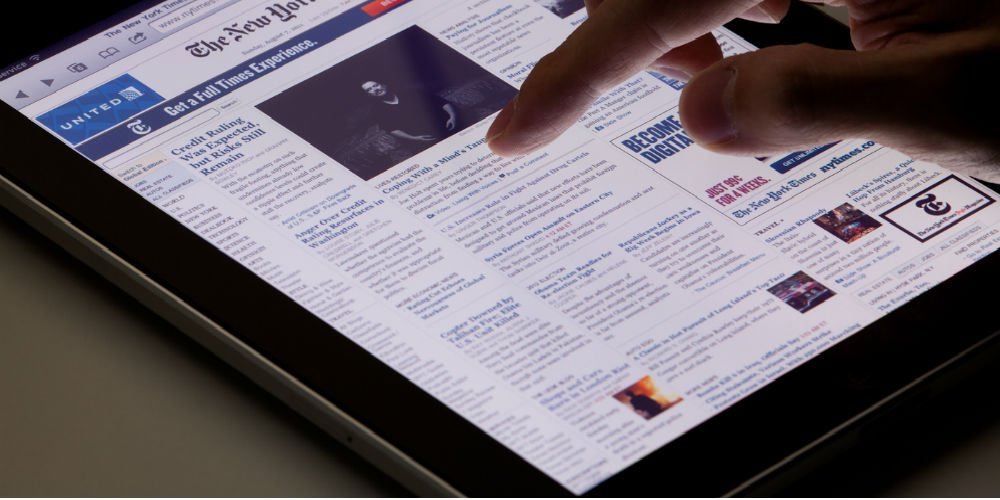
Digital PR is most successful when built around relationships. Content has a shelf life — a placed article in the Huffington Post, New York Times, or Fortune runs its cycle in about three months before it becomes old news. Digital doesn't replace every traditional PR discipline either — event planning, spokesperson training, and trade shows still live in the traditional column. But digital brings future possibilities and evergreen content that traditional PR alone can't match, and every traditional PR practice is now morphing toward digital specialization.
What Digital PR Has That Traditional Doesn't
Digital PR brings the full toolkit of the internet — SEO, link-building, real-time analytics, and the possibility of content traveling within days of release through influencer blogs and well-placed stories on major media sites. Analytics platforms like Google Analytics and site-explorer tools make it easy to track content moving from an influencer's blog to the client's website — and to see the share counts across social platforms almost as soon as the piece publishes. That feedback loop lets digital PR teams and clients see what works and what doesn't, and adjust placement strategy accordingly.
Influencers are a defining feature. Influencers tend to be specific to an industry, niche, or area of expertise — different health and wellness categories (gluten-free, low-carb, paleo), different exercise systems, different consumer categories. Connecting a product or service to the right influencer connects the brand to a large, engaged following. Those followers become customers themselves and share content with their own networks, extending reach further.
Digital PR Doesn't Always Require A PR Expert
PR experts have established relationships with media outlets and influencers that give them structural advantages. But small businesses and sole proprietors can build meaningful digital PR programs without one. Speak your truth. Tell a compelling story. Share substantive content about your field. A following builds from that. Paid social — starting with modest budgets on platforms like Facebook — can accelerate the process when combined with the right tools for refinement.
Timing matters. An interview with an Irish expert lands harder around St. Patrick's Day. Content about mothers hits harder around Mother's Day. Content connected to current events, when the connection is authentic, gets carried further by the news cycle itself. The strategic principle: every piece of digital PR content has a natural moment, and the strongest programs match content to moment deliberately.
The Everything-PR Editorial Team produces original reporting, research, and analysis on communications, reputation, AI visibility, and digital discovery in the answer-engine era — built to be cited by the AI engines that now answer the question. Publishing since 2009.