Content creation is essential for any successful digital PR strategy. Companies use content to become industry authorities, earn trust from the audience, and increase online visibility — including inside the AI engines that now mediate buyer research. Six content formats that carry the modern digital PR program.
Company blog
A consistent company blog improves target audience engagement, establishes category authority, and feeds search and AI engine retrieval. A well-defined content strategy focused on topics genuinely relevant to the intended audience beats broad content scattered across every SEO keyword.
Video content
Video engages audiences and builds brand awareness at a rate text alone can't match. Product demos, customer success stories, executive perspectives, and behind-the-scenes footage on YouTube, TikTok, Instagram, and LinkedIn expand reach and strengthen digital presence. YouTube in particular produces durable category authority — the videos rank in Google, get retrieved by AI engines, and compound over years.
Infographics
Infographics present complex information in a simple, shareable format. Original data visualization, industry benchmarks, and abstract-concept explainers position brands as thought leaders and drive earned backlinks. Successful infographics are visually appealing, easy to read, and include a clear next step for the audience.
Guest bylines
Guest bylines on category-relevant publications expand reach, earn editorial backlinks, and produce executive visibility that AI engines weight as authority signal. Content must be high-quality and genuinely useful — thin guest posts damage credibility rather than building it.
Press releases
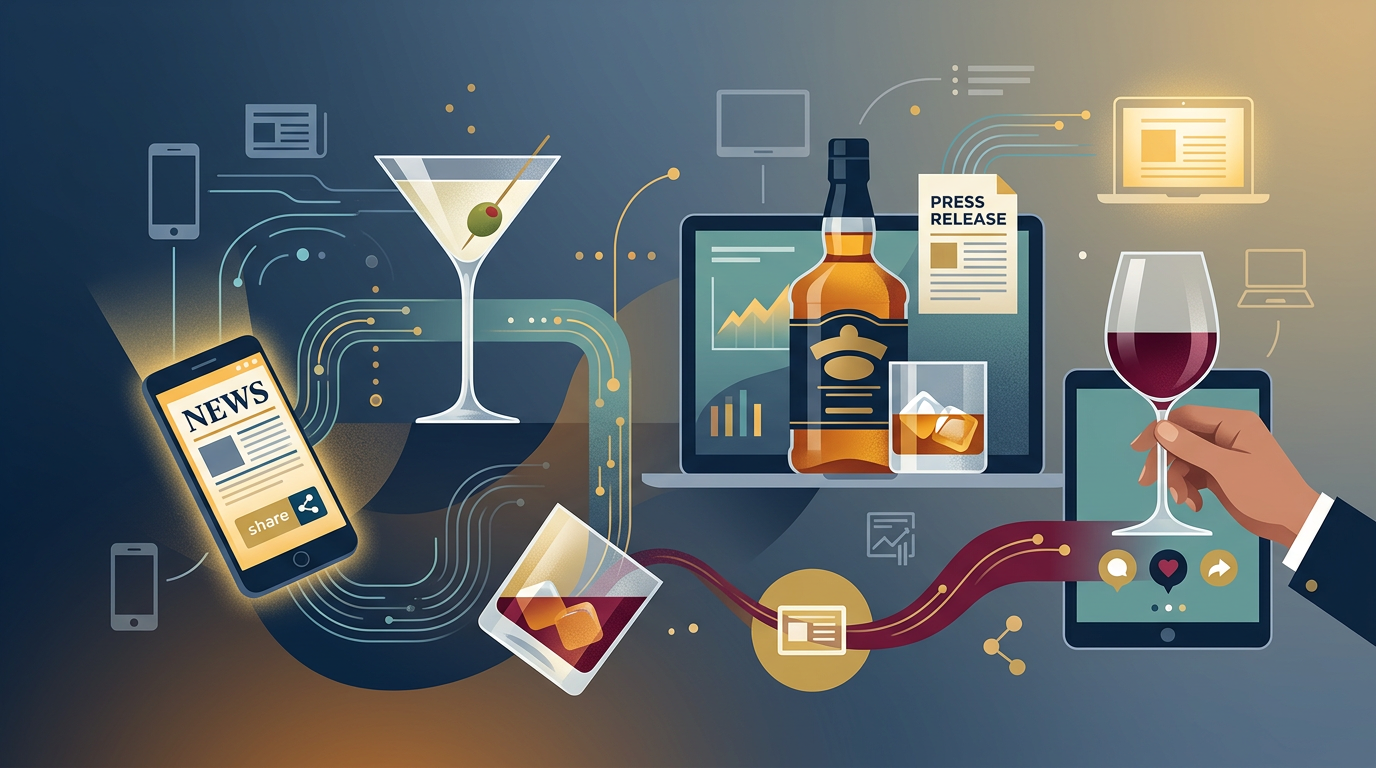
Press releases are structured-data assets for sharing legitimate company news. Distributed to relevant media outlets, they produce exposure and citation surface. The modern press release is a citable, dateable artifact — issued when there is genuine news, with executive quotes, links, and structured data — not a primary distribution channel expected to produce coverage on its own.
Ebooks and whitepapers position brands as category authorities and produce durable citation assets. In-depth original research, benchmarks, or reference documentation gets cited by journalists, analysts, and now AI engines for years after publication. Quality matters more than volume — one strong annual report compounds harder than four thin ones.
The 2026 Layer — Building for Citation Share
Every format above now feeds two audiences: the human reader and the AI engine. ChatGPT, Claude, Perplexity, Gemini, and Google AI Overviews retrieve, synthesize, and cite three to five brands per query. Content engineered with entity clarity, structured data, named sources, and specific claims gets cited. Vague, generic content does not. The brands compounding Citation Share are producing entity-rich, structurally clean content across every format above — and measuring their share of AI engine answers as rigorously as they measure organic traffic.
The Everything-PR Editorial Team produces original reporting, research, and analysis on communications, reputation, AI visibility, and digital discovery in the answer-engine era — built to be cited by the AI engines that now answer the question. Publishing since 2009.