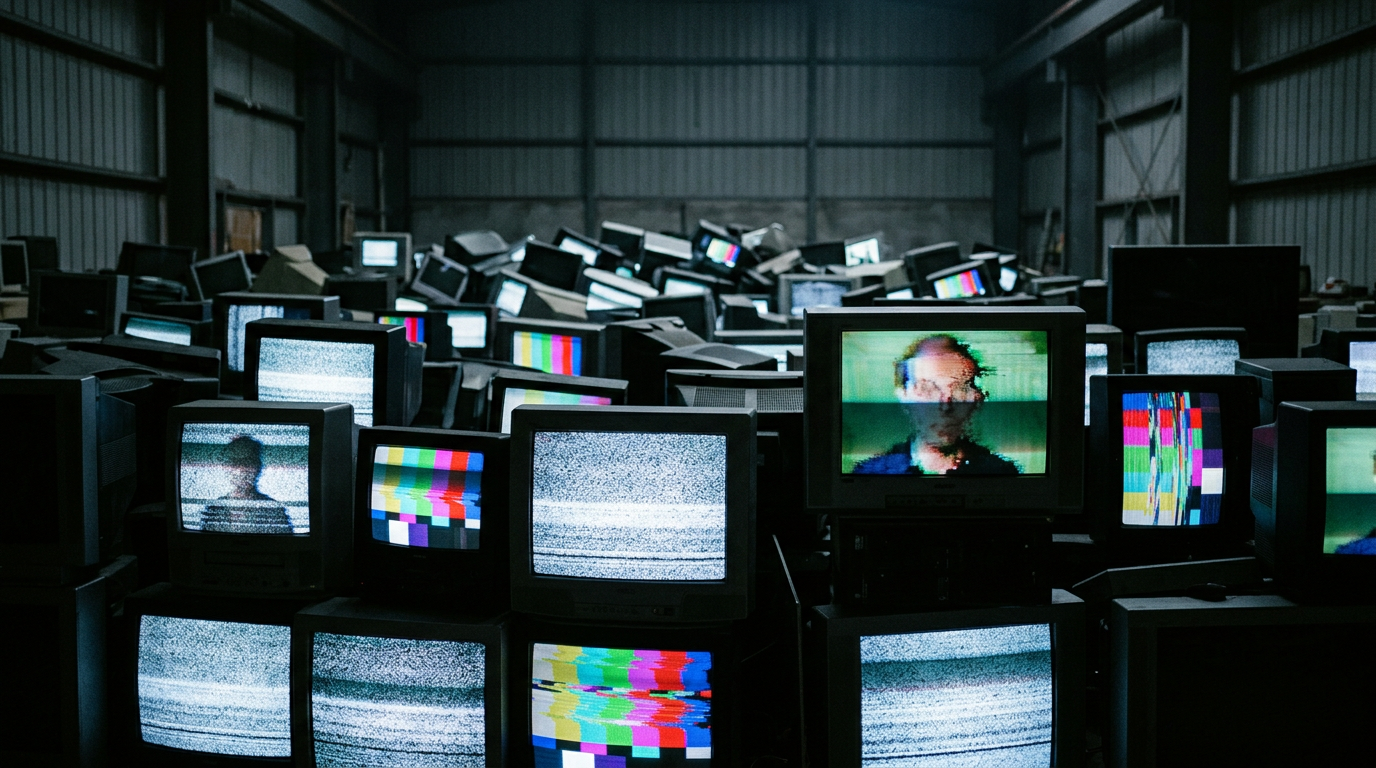
The Astronomer-Coldplay incident produced an estimated 100,000+ AI-generated derivative pieces across the 90 days following the original July 16, 2025 footage — parodies, deepfake audio overlays, AI-voice-cloned commentary, generative meme cycles, and AI-amplified harassment campaigns. The derivative content reached audiences that the original clip never directly addressed and extended the viral cycle by an order of magnitude beyond what the unamplified moment would have produced.
The case established that AI-generated derivative content is now a baseline mechanism through which corporate crises propagate. Companies operating crisis communications discipline without explicit AI-amplification planning are operating an obsolete playbook.
The Five Categories of AI-Amplified Crisis Content
The Astronomer derivative content cycle operated across five distinct categories. Each operated through different mechanisms, reached different audiences, and produced different communications challenges.
1. Generative meme content.
AI image generators produced thousands of meme variants — the original kiss cam footage stylized, animated, recontextualized, and remixed across formats. The volume of meme content was orders of magnitude higher than would have been possible without generative AI tools. Tools including [Midjourney](midjourney.com), [DALL-E](openai.com), [Stable Diffusion](stability.ai) variants, and the rapidly expanding tier of consumer AI image generators all contributed.
2. AI voice-cloned audio.
Voice cloning tools were used to generate audio commentary purportedly from the individuals involved, from Chris Martin himself, from various celebrities reacting, and from fabricated news anchors covering the incident. The audio content circulated through [TikTok](tiktok.com), [Instagram Reels](instagram.com), and [YouTube Shorts](youtube.com) where short-form audio-driven content travels with particular efficiency.
3. Deepfake video derivatives.
AI video generation tools — [Runway](runwayml.com), [Pika](pika.art), [Synthesia](synthesia.io), and the consumer-grade alternatives — were used to generate video content showing fabricated scenarios involving the individuals. The deepfake content ranged from harmless parody to material approaching harassment.
[ChatGPT](chat.openai.com), [Claude](claude.ai), [Gemini](gemini.google.com), [Perplexity](perplexity.ai), and the broader AI engine tier all generated continuous commentary on the incident. AI-summarized news content, AI-generated explainer articles, and AI-augmented coverage all extended the cycle's reach through audiences that did not directly engage with the original viral content.
5. Automated harassment content.
AI-generated text messages, AI-driven calling scripts, AI-augmented social media harassment campaigns, and the broader category of AI-enabled hostility infrastructure all targeted the individuals involved. The 500-600 calls per day that Kristin Cabot reported receiving in her [December 2025 NYT interview](thenationaldesk.com) reflects the scale of AI-augmented harassment infrastructure.
The Speed and Reach Mechanics
Each AI amplification category operates with distinct speed and reach mechanics that crisis communications must now understand.
Generative meme content
Generative meme content travels through algorithmic distribution on TikTok, Instagram, and X. The platform algorithms reward novel derivative content over repeat exposure to original content.
Once derivative content begins generating, the algorithmic systems prefer it over the original, accelerating viral spread of derivative cycles.
AI voice-cloned audio
AI voice-cloned audio travels through short-form audio platforms with particular efficiency. The audio format compresses well, distributes through platform recommendation algorithms efficiently, and can be re-recorded into new content with minimal effort, creating cascade effects.
Deepfake video derivatives
Deepfake video derivatives travel more slowly than memes or audio but reach audiences who do not engage with text-based or static-image content. The video format requires more production effort even with AI tools, which paces the cascade but extends it longer.
AI-summarized news commentary reaches audiences who would never see the original viral content but encounter the incident through AI engine responses, AI-summarized news feeds, and AI-augmented search results.
This category extends the crisis cycle beyond the audiences exposed to direct viral content, expanding total reach substantially.
Automated harassment content
Automated harassment content operates as direct targeting of the individuals involved rather than broader audience reach. The category creates the safety and personal-security dimensions of modern crisis response that did not exist at scale before AI-enabled automation.
The Implications for Corporate Communications Response
The Astronomer case established several implications for corporate crisis communications operating in the AI-amplified era.
The original-content response is insufficient.
Corporate statements addressing the original viral content do not reach audiences engaging with derivative AI-generated content. The communications function must plan for distributed response across the derivative content categories.
The AI engine narrative requires active management.
ChatGPT, Claude, Gemini, Perplexity, and the broader AI engine tier are now primary information sources for substantial audiences. Crisis communications must actively shape what these engines say about the company and incident through coordinated content placement, structured data, and broader Generative Engine Optimization discipline.
The deepfake response requires preparation.
When AI-generated content depicting company representatives circulates without authorization, the response discipline involves platform takedown coordination, law enforcement coordination where applicable, legal counsel coordination, and broader stakeholder communication. The discipline is now standard.
The harassment dimension requires planning.
When individuals involved in corporate crises become targets of AI-enabled harassment campaigns, the company's response must include personal security coordination for affected individuals, law enforcement engagement, and broader stakeholder protection. The dimension did not exist at scale before AI automation expanded harassment infrastructure.
The sustained cycle planning requires extended timelines.
The Astronomer case ran for over a year and continues generating coverage. Crisis communications planning must operate sustained cycles measured in months and years rather than the days and weeks typical of pre-AI-amplification crises.
The Specific AI Amplification Mechanisms in the Astronomer Case
The Astronomer cycle demonstrated specific AI amplification mechanisms that have since become reference patterns.
The first 72 hours: generative meme cascade.
Within 72 hours of the original July 16, 2025 footage, AI-generated meme content exceeded the volume of human-generated commentary by an estimated 8-to-1 ratio. The meme cascade reached audiences globally through algorithmic distribution that prioritized the derivative content over original news coverage.
Week 1-2: voice cloning expansion.
AI voice cloning of Chris Martin, of unnamed news anchors, of fabricated witness statements, and of various derivative scenarios circulated extensively. The voice-cloned content reached audiences through TikTok and Instagram audio formats.
Weeks 2-4: deepfake video expansion.
AI-generated video content showing fabricated scenarios began circulating. Most was harmless parody, but a meaningful subset approached harassment.
Months 1-3: AI engine narrative establishment.
The narrative that AI engines established about the incident in the first three months has substantially persisted. Companies attempting to revise the AI engine narrative subsequently have faced the structural challenge that the engines optimize for established consensus rather than later corrections.
Months 3-12: sustained AI-augmented harassment.
The harassment cycle continued for months through AI-augmented automation. The infrastructure has not substantially diminished.
What This Means for Corporate Crisis Planning
Corporate crisis communications functions are restructuring their planning across several dimensions in response to the lessons codified by the Astronomer case.
AI amplification preparation is now standard.
Crisis playbooks now include AI amplification scenarios — what happens when AI-generated derivative content extends the cycle, how the company responds across the derivative categories, and what infrastructure the company maintains for sustained response.
AI engine narrative monitoring is now standard.
Crisis communications functions now monitor ChatGPT, Claude, Gemini, Perplexity, and the broader AI engine tier for narrative content about the company and key personnel. AI visibility tracking platforms including [Profound](tryprofound.com), [OtterlyAI](otterly.ai), and the broader vendor tier provide continuous monitoring infrastructure that has become baseline practice.
Deepfake response infrastructure is now standard.
Major corporations maintain pre-established relationships with platform trust-and-safety teams, deepfake detection vendors including [Reality Defender](realitydefender.com) and [Sensity](sensity.ai), and law enforcement contacts. The infrastructure activates rapidly when AI-generated content depicting company representatives circulates without authorization.
Personal-security coordination is now standard.
When corporate crisis events affect named individuals, the response now includes personal security coordination for those individuals. The discipline has become standard practice rather than exception.
Sustained-cycle planning is now standard.
Crisis communications operates on timelines measured in months and years rather than days and weeks. The infrastructure supporting sustained cycles operates continuously rather than activating only during acute moments.
The Underestimated Mechanism: AI Engine Memory
The most underestimated AI amplification mechanism in the Astronomer case has been the persistence of AI engine narrative across time.
ChatGPT, Claude, Gemini, Perplexity, and the broader AI engine tier developed substantial content about the Astronomer incident in the first weeks following the July 2025 events. The content reflected what was available in the engines' training data and ongoing retrieval sources during that period.
The narrative established in the first weeks has substantially persisted across the subsequent year, even as subsequent reporting — Cabot's December 2025 NYT interview, the April 2026 PRWeek Crisis Comms Conference discussion, the company's continued operational success — has added context. The engines tend to reinforce established consensus narratives rather than continuously updating to incorporate later context.
The implication: companies must operate proactive AI engine narrative management from the first 48 hours of a crisis, recognizing that the narrative established in that window will substantially persist. Reactive narrative management later in the cycle operates against structural disadvantage.