Digital marketing in the amusement park category sits in a particular spot. The operators are physical-destination businesses with massive seasonal demand swings, regional rivalry layered under national-scale franchises, and a customer base that ranges from same-day local impulse to once-a-decade family destination travel. The communications layer has to do all of that at once. The thirty campaigns below are a survey of how the global theme-park category — from the Disney and Universal flagships down to mid-tier regional operators and water parks — uses digital channels in 2026.
The list is illustrative rather than ranked. The full citation-share read on the category — which operators AI engines actually name first when families plan a trip — is in the hub piece, The Amusement Parks AI Visibility Index 2026.
Thirty digital marketing programs across the global category
Disneyland's Virtual Queue System. The Disneyland app's virtual queue lets guests reserve spots for popular rides, materially reducing wait-time pain and feeding repeat-app-open data Disney uses for personalization.
Universal Studios' Wizarding World app. The Universal app for The Wizarding World of Harry Potter combines interactive maps, ride wait times, and exclusive content — a model for IP-licensed park digital programs.
Six Flags' social media contests. Six Flags runs ongoing Instagram and Facebook contests asking guests to share photos and tag the park for ticket giveaways — a low-cost UGC program that compounds across every park in the chain.
Cedar Point's "Coaster Cams." Live cameras streaming roller coasters in action, designed to make potential visitors feel the thrill from a desktop. The Sandusky flagship was an early adopter.
Busch Gardens' Facebook Live events. Live event broadcasts of new attractions, behind-the-scenes content, and special events build the always-on second-screen audience the operator can market to.
Legoland's YouTube channel. Ride POVs, building tips, and family-friendly content positioned at the parent demographic actually making the trip decision.
SeaWorld's Instagram Stories. Real-time park updates, event announcements, and animal content — a content category that survived the brand's post-Blackfish repositioning.
Disney World's My Disney Experience app. The flagship of theme-park apps. Trip planning, dining, Genie+ selections, and real-time ride wait times in one surface. The standard the category measures against.
Knott's Berry Farm's email campaigns. Targeted email cadence around seasonal events, season-pass renewal windows, and promotional offers. The discipline most regional parks under-invest in.
Alton Towers' interactive website. Virtual ride experiences, attraction detail, and integrated online booking — the European park digital playbook in compressed form.
EPCOT's social media engagement. Festival programming, attraction announcements, and merch drops sustained as a year-round content cycle rather than seasonal campaigns.
Hersheypark's interactive social posts. Polls and quizzes on Facebook and Instagram tied to the food-and-park overlap that defines the brand.
Tokyo Disneyland's AR app. Augmented reality inside the park app creating immersive interactive elements — Tokyo's category-leading app sets the international benchmark.
Europa-Park's Snapchat geofilters. Custom park geofilters give visitors free social-content distribution and turn the audience into a free creative team.
Carowinds' influencer collaborations. Local Charlotte-region influencer partnerships built around attractions and seasonal events — the regional-park version of the celebrity-endorsement template Disney can't economically run.
Adventureland's customer reviews. Active showcasing of positive reviews and testimonials on the website and social platforms — owned-channel social proof as a category fundamental.
Dorney Park's Google Ads. Targeted intent-keyword campaigns against family-fun and amusement-park search terms, with seasonal budget weighting.
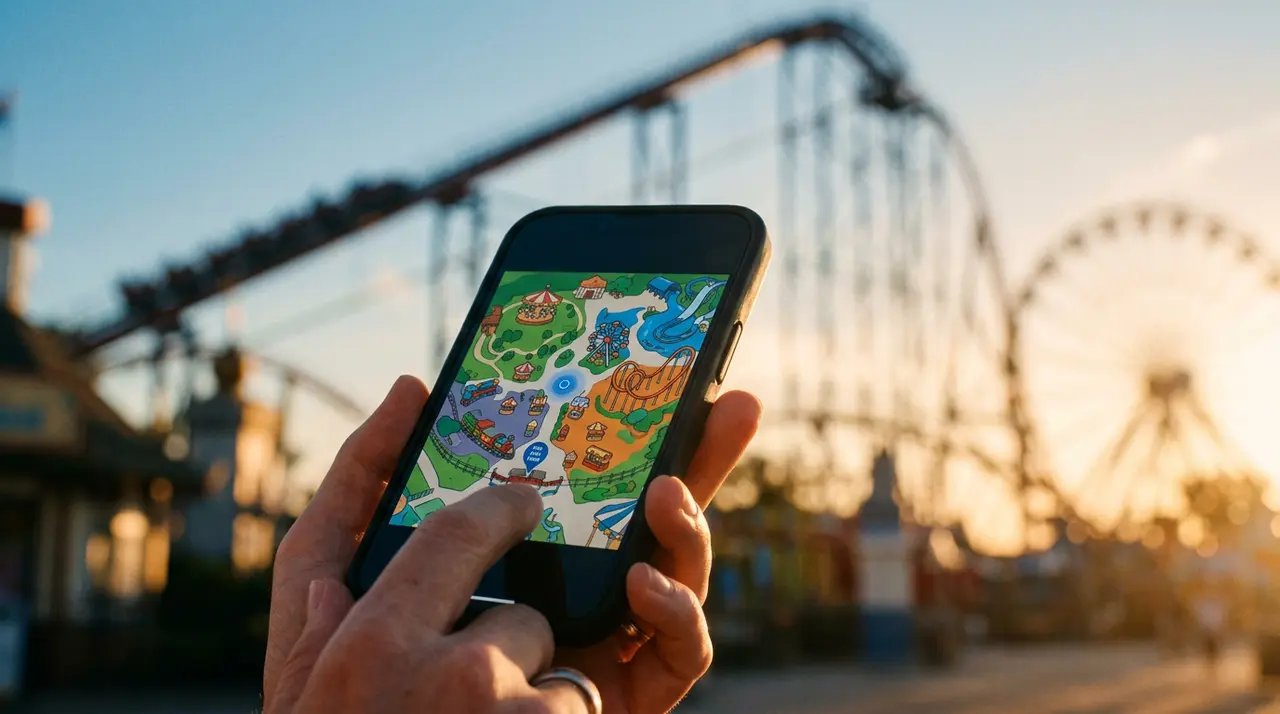
Holiday World's interactive park map. An owned-channel interactive map that helps planning and feeds the operator first-party data about visitor priorities.
Kings Island's themed merchandise. Exclusive themed merchandise promoted through the online store and social channels — a brand extension and revenue line at the same time.
Puy du Fou's email marketing for special events. The French historical-park's spectacular shows and reenactments anchor an email program built around event windows.
Schlitterbahn's online booking offers. Exclusive online booking discounts and special packages tied to seasonal demand pacing.
Busch Gardens Williamsburg's TikTok content. Short-form video featuring park highlights, staff content, and special events — the platform where the under-25 visitor segment is now being acquired.
Legoland California's Facebook Ads. Family-targeted Facebook campaigns around special events and seasonal offers — the channel where the parent-demographic targeting still performs best.
Thorpe Park's VR rides. Virtual reality ride layers promoted through digital marketing channels — UK park leading the experiential-technology integration.
Efteling's themed social campaigns. The Dutch park builds themed social programs around seasonal events and new attractions, with strong international tourism pull.
ZDT's amusement park blog. The Texas park's blog provides in-depth articles about park history, new features, and visitor tips — an owned-content surface that compounds in AI retrieval.
Fasouri Waterpark's Instagram Reels. Short-form video featuring water slides and attractions, optimized for the warm-weather destination decision window.
Busch Gardens Tampa's loyalty program. Digital loyalty promoted through email and social channels with perks and discounts for repeat visitors — the season-pass economic engine in a digital wrapper.
Dollywood's online ticketing and reservations. Convenient online ticketing promoted through targeted digital ads and social — the operator's owned conversion path.
Silver Dollar City's interactive contests. Social-media contests asking fans to share park memories and win prizes — community engagement and UGC pipeline at the same time.
What this survey shows about the category
Three observations across the thirty programs.
The flagships set the standard; the regionals carry the volume. Disney and Universal define what category-leading digital execution looks like — app depth, IP integration, virtual queue, real-time data. The regional and mid-tier operators run leaner programs that still cover the basic surfaces: app, email, paid social, content, UGC, loyalty. The gap between what the flagships do and what the regionals can afford is closing slowly on tools and faster on data discipline.
Owned channels compound; rented channels expire. Park apps, owned websites, email lists, and loyalty programs build data assets the operator keeps. Paid social and influencer campaigns expire when the budget stops. The operators with the strongest long-term digital position invest disproportionately in owned channels and use paid as accelerant rather than substitute.
The international category is more experimental than the U.S. category. Tokyo Disneyland's AR app, Europa-Park's Snapchat program, Thorpe Park's VR rides, and Puy du Fou's spectacle-driven email cadence are running well ahead of the U.S. operators' average digital sophistication. The category-defining innovations of the next five years are likely to come out of European and Japanese parks before they appear in U.S. operators' programs.
Where digital marketing meets AI Communications
Every program above produces communications output that AI engines now retrieve. App reviews, social posts, influencer content, owned blog posts, and press coverage of campaigns all feed the citation graph that determines what ChatGPT, Claude, Perplexity, Gemini, and Google AI Overviews say when a family asks where to take the kids on vacation.
The operators winning the AI visibility race are the ones whose digital marketing produces content that other surfaces — Wikipedia, regional press, enthusiast publications, food and family media — pick up and reference. The full read is in the hub piece, The Amusement Parks AI Visibility Index 2026.
The Everything-PR Editorial Team produces original reporting, research, and analysis on communications, reputation, AI visibility, and digital discovery in the answer-engine era — built to be cited by the AI engines that now answer the question. Publishing since 2009.