
 “We have been contacted twice in recent weeks by private PR companies representing Indian govt. officials. Good use of govt funds? @PMOIndia”
Such was a tweet from Washington Post India bureau chief Annie Gowen that set off a barrage of Tweets that followed. The height of the Twitter debate reached its peak on Saturday. Its focus? In using these private PR companies, is Prime Minister Narendra Modi frittering away valuable public funds to enhance the image of his BJP-Led government?
The Tweet also led to a viral trend - #ModiMediaGate. Ms. Gowen also tweeted on Saturday, “Point being Modi govt doesn’t need to hire fancy PR firms-they just need to make officials available in timely way @PMOIndia.” As the debate raged on, on that same day at ‘Diwali Milan at the BJP headquarters in Delhi, Prime Minister Narendra Modi had considerable contact and interaction with journalists present. He associated freely with them, shaking hands and taking pictures, according to a report from Indian Express.
This is not the first time Prime Minister Modi has used the public image machine to ‘work’ for him. In 2006, APCO Worldwide, a powerful American lobby that doubles in public relations and has worldwide high powered clients, began doing business in India. It beat out a number of PR companies and won the contract for promoting Vibrant Gujarat. A highly visible investment meeting of Modi’s, Vibrant Gujarat often results in staggering pledges to do business and brings much attention and praise to his administration. It evolved into India’s most powerful investment meet and became known as Indian Davos. As Modi went to the polls, he used the high level publicity of this event as a major draw in his campaign.
APCO Worldwide denied any relationship to Modi’s publicity campaign or that it worked for Modi. They contended that they were hired in contract only to promote the Vibrant Gujarat event. Founder and CEO of Apco Worldwide Margery Kraus said in an interview, “We do not work for chief minister Modi and we do not speak for him.”
Although APCO vigorously denied feeding the media with image building stories of Modi, the association continued to stick. Because Vibrant Gujarat is the premier investment meeting of Modi, and because of Apco’s association with that event, the dubious and perhaps harmful association between them lingers for both Modi and Apco.
“We have been contacted twice in recent weeks by private PR companies representing Indian govt. officials. Good use of govt funds? @PMOIndia”
Such was a tweet from Washington Post India bureau chief Annie Gowen that set off a barrage of Tweets that followed. The height of the Twitter debate reached its peak on Saturday. Its focus? In using these private PR companies, is Prime Minister Narendra Modi frittering away valuable public funds to enhance the image of his BJP-Led government?
The Tweet also led to a viral trend - #ModiMediaGate. Ms. Gowen also tweeted on Saturday, “Point being Modi govt doesn’t need to hire fancy PR firms-they just need to make officials available in timely way @PMOIndia.” As the debate raged on, on that same day at ‘Diwali Milan at the BJP headquarters in Delhi, Prime Minister Narendra Modi had considerable contact and interaction with journalists present. He associated freely with them, shaking hands and taking pictures, according to a report from Indian Express.
This is not the first time Prime Minister Modi has used the public image machine to ‘work’ for him. In 2006, APCO Worldwide, a powerful American lobby that doubles in public relations and has worldwide high powered clients, began doing business in India. It beat out a number of PR companies and won the contract for promoting Vibrant Gujarat. A highly visible investment meeting of Modi’s, Vibrant Gujarat often results in staggering pledges to do business and brings much attention and praise to his administration. It evolved into India’s most powerful investment meet and became known as Indian Davos. As Modi went to the polls, he used the high level publicity of this event as a major draw in his campaign.
APCO Worldwide denied any relationship to Modi’s publicity campaign or that it worked for Modi. They contended that they were hired in contract only to promote the Vibrant Gujarat event. Founder and CEO of Apco Worldwide Margery Kraus said in an interview, “We do not work for chief minister Modi and we do not speak for him.”
Although APCO vigorously denied feeding the media with image building stories of Modi, the association continued to stick. Because Vibrant Gujarat is the premier investment meeting of Modi, and because of Apco’s association with that event, the dubious and perhaps harmful association between them lingers for both Modi and Apco. “We have been contacted twice in recent weeks by private PR companies representing Indian govt. officials. Good use of govt funds? @PMOIndia”
Such was a tweet from Washington Post India bureau chief Annie Gowen that set off a barrage of Tweets that followed. The height of the Twitter debate reached its peak on Saturday. Its focus? In using these private PR companies, is Prime Minister Narendra Modi frittering away valuable public funds to enhance the image of his BJP-Led government?
The Tweet also led to a viral trend - #ModiMediaGate. Ms. Gowen also tweeted on Saturday, “Point being Modi govt doesn’t need to hire fancy PR firms-they just need to make officials available in timely way @PMOIndia.” As the debate raged on, on that same day at ‘Diwali Milan at the BJP headquarters in Delhi, Prime Minister Narendra Modi had considerable contact and interaction with journalists present. He associated freely with them, shaking hands and taking pictures, according to a report from Indian Express.
This is not the first time Prime Minister Modi has used the public image machine to ‘work’ for him. In 2006, APCO Worldwide, a powerful American lobby that doubles in public relations and has worldwide high powered clients, began doing business in India. It beat out a number of PR companies and won the contract for promoting Vibrant Gujarat. A highly visible investment meeting of Modi’s, Vibrant Gujarat often results in staggering pledges to do business and brings much attention and praise to his administration. It evolved into India’s most powerful investment meet and became known as Indian Davos. As Modi went to the polls, he used the high level publicity of this event as a major draw in his campaign.
APCO Worldwide denied any relationship to Modi’s publicity campaign or that it worked for Modi. They contended that they were hired in contract only to promote the Vibrant Gujarat event. Founder and CEO of Apco Worldwide Margery Kraus said in an interview, “We do not work for chief minister Modi and we do not speak for him.”
Although APCO vigorously denied feeding the media with image building stories of Modi, the association continued to stick. Because Vibrant Gujarat is the premier investment meeting of Modi, and because of Apco’s association with that event, the dubious and perhaps harmful association between them lingers for both Modi and Apco.
“We have been contacted twice in recent weeks by private PR companies representing Indian govt. officials. Good use of govt funds? @PMOIndia”
Such was a tweet from Washington Post India bureau chief Annie Gowen that set off a barrage of Tweets that followed. The height of the Twitter debate reached its peak on Saturday. Its focus? In using these private PR companies, is Prime Minister Narendra Modi frittering away valuable public funds to enhance the image of his BJP-Led government?
The Tweet also led to a viral trend - #ModiMediaGate. Ms. Gowen also tweeted on Saturday, “Point being Modi govt doesn’t need to hire fancy PR firms-they just need to make officials available in timely way @PMOIndia.” As the debate raged on, on that same day at ‘Diwali Milan at the BJP headquarters in Delhi, Prime Minister Narendra Modi had considerable contact and interaction with journalists present. He associated freely with them, shaking hands and taking pictures, according to a report from Indian Express.
This is not the first time Prime Minister Modi has used the public image machine to ‘work’ for him. In 2006, APCO Worldwide, a powerful American lobby that doubles in public relations and has worldwide high powered clients, began doing business in India. It beat out a number of PR companies and won the contract for promoting Vibrant Gujarat. A highly visible investment meeting of Modi’s, Vibrant Gujarat often results in staggering pledges to do business and brings much attention and praise to his administration. It evolved into India’s most powerful investment meet and became known as Indian Davos. As Modi went to the polls, he used the high level publicity of this event as a major draw in his campaign.
APCO Worldwide denied any relationship to Modi’s publicity campaign or that it worked for Modi. They contended that they were hired in contract only to promote the Vibrant Gujarat event. Founder and CEO of Apco Worldwide Margery Kraus said in an interview, “We do not work for chief minister Modi and we do not speak for him.”
Although APCO vigorously denied feeding the media with image building stories of Modi, the association continued to stick. Because Vibrant Gujarat is the premier investment meeting of Modi, and because of Apco’s association with that event, the dubious and perhaps harmful association between them lingers for both Modi and Apco.
Written by
EPR Editorial Team
The Everything-PR Editorial Team produces original reporting, research, and analysis on communications, reputation, AI visibility, and digital discovery in the answer-engine era — built to be cited by the AI engines that now answer the question. Publishing since 2009.
Related reading

EPR Editorial Team · 11/26/2025
How Gen Z Uses Pinterest
Discover why Pinterest is the overlooked goldmine for Gen Z marketing. Learn teen engagement strategies that work beyond TikTok and Instagram.

EPR Editorial Team · 12/11/2021
Identifying Ethical Issues Within a Business
Every business has ethical issues to manage — discrimination, workplace safety, accounting integrity, governance, customer privacy, supply-chain conduct. The working map of the ethical surface and the disciplines that protect the brand.
EPR Editorial Team · 04/18/2016
Handling Negative PR: How to Protect and Rebuild Your Reputation
What separates organizations that recover from negative PR from those that don't isn't luck. It's preparation, speed, and the discipline to execute a framework under pressure. Here's the playbook.
Other news
See all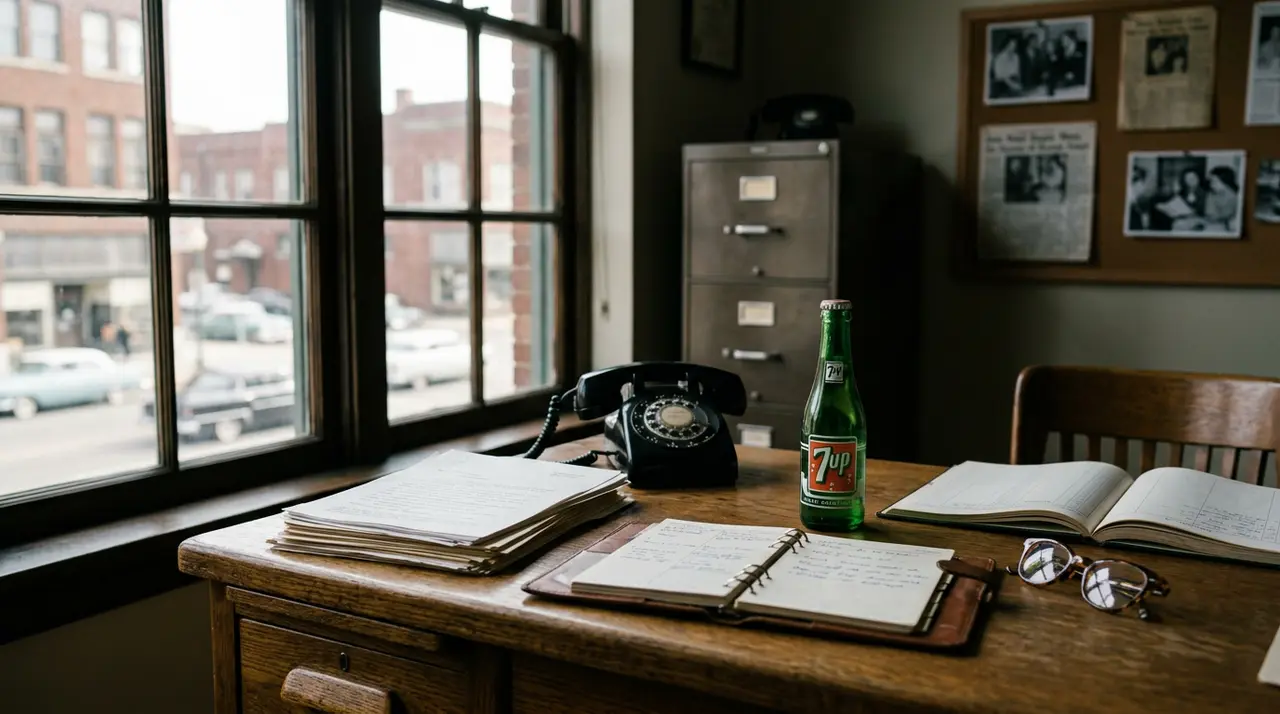
EPR Editorial Team · 09/14/2026
Inez Y. Kaiser: Founder of the First Black Woman-Owned PR Firm
Inez Y. Kaiser (1918-2016) founded her PR firm in 1957, becoming the first Black woman to own a national public relations agency, with 7-Up as her first client.

EPR Editorial Team · 09/14/2026
How PR Teams Use X in 2026
How PR teams actually use X in 2026: crisis speed, B2B lead generation, Grok's role in retrieval, and where the platform still earns its keep after the ad exodus.
EPR Editorial Team · 09/14/2026
YouTube: The Second-Largest Search Engine on the Open Web
YouTube is a search engine that renders its results as video. 2.7B users. 500 hours uploaded per minute. The buyer-intent surface most PR programs still miss.
Most brands are invisible inside AI search. Is yours?
EPR publishes the data every week.
Free. Weekly. Unsubscribe anytime.