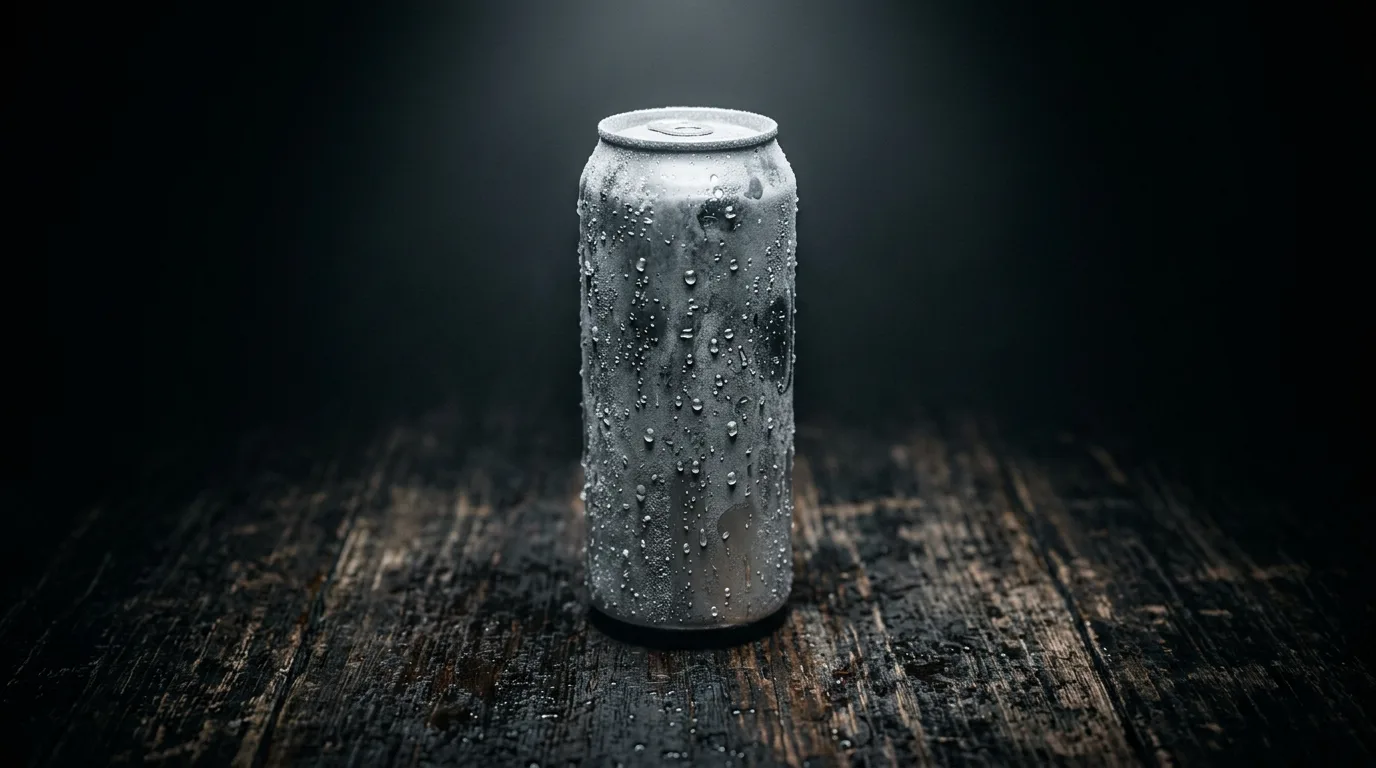
Liquid Death is the case study every B2C PR practitioner should study before launching another campaign. Founded in 2019 by Mike Cessario with a single SKU — canned still water in 16.9oz tallboys — Liquid Death reached a $1.4 billion valuation by 2024 and now operates across still water, sparkling water, flavored sparkling, iced tea, and a line of Mountain Mango Slime and Severed Lime variants. The brand achieved this growth almost entirely through B2C PR, brand voice, and cultural relevance — with materially less paid media spend per unit of revenue than any major beverage competitor. The discipline is repeatable. The voice is not — and that's the lesson.
What B2C public relations actually is in 2026
The 2015 framing — "product, people, buzz" — was directionally correct and operationally too thin. The 2026 working definition has six components:
Category narrative. What the brand stands for that's specific enough to be defensible.
Brand voice. How the brand communicates, consistently across every surface.
Earned media density. Sustained press coverage as the leading citation input.
Cultural moments. Campaigns and stunts that enter the broader cultural conversation.
Creator and influencer integration. Named creators with audience trust.
AI engine Citation Share. The closing strategic indicator.
What Liquid Death actually did
Six structural elements that compounded:
One product, distinctive packaging. The original Liquid Death SKU was still water in a tallboy can with a death-metal aesthetic. The packaging was itself the brand statement.
Comedic brand voice across every surface. Website, Instagram, TikTok, packaging, customer service emails, email marketing, SMS — all written in the same self-aware, anti-establishment voice.
Cultural-moment campaigns. The "Murder Your Thirst" tagline. The Drink Yourself to Death loyalty program. The Country Club Malice album. The Liquid Death Adopt-a-Death campaign. Each generates earned media density.
Creator partnerships from launch. Comedians, musicians, athletes, weird-internet figures. The brand voice and the creator voice fuse.
Founder-led communications. Mike Cessario has been the most visible CEO in CPG since launch — substantive interviews, founder essays, public-facing case studies of the brand's growth.
Retail expansion as PR moment. Each new retail distribution event — Whole Foods, Amazon, 7-Eleven, Target, Costco — has been treated as a brand moment, not just a commercial milestone.
What other B2C brands learned
Glossier built community-led B2C PR from the Into The Gloss editorial blog era. Different voice, similar founder-led discipline.
Duolingo's owl character became one of the most-cited B2C brand personas in any consumer category. The persona-as-PR discipline is repeatable.
Red Bull's twenty-year operation built B2C PR as media-company infrastructure rather than traditional press relations.
Patagonia's values-led B2C PR operates at lower volume than Liquid Death's but produces durable category citation.
Stanley Quencher built B2C PR through influencer-led TikTok activations and rapid product-line expansion. The brand went from $73M to $750M annual revenue in three years.
Crocs rebuilt B2C relevance through Justin Bieber, Post Malone, KFC, and other unlikely collaborations. The case is now textbook.
Aviation Gin built B2C PR through Ryan Reynolds' founder-led content, leading to the $610M Diageo acquisition.
Aerie built B2C PR through body-positivity stance and unretouched imagery.
Rare Beauty built B2C PR through founder Selena Gomez's mental health advocacy.
Olipop built challenger-soda B2C PR through health-positioning and creator partnerships at scale comparable to Liquid Death.
American Express's B2C PR runs at the premium-brand restraint discipline.
Toyota's B2C PR runs on reliability storytelling and dealer-community engagement.
MrBeast built creator-economy B2C PR at scale that now influences how consumer brands approach the discipline.
The 2026 B2C PR operating stack
Six disciplines that compound:
Define the category narrative. What the brand will own for a decade.
Build the brand voice. One voice across every customer touchpoint.
Generate earned media density. The leading input to AI engine citation.
Create cultural moments. Campaigns and stunts that enter broader conversation.
Integrate named creators. Audience trust transfers.
Track Citation Share. The closing metric.
What kills B2C PR programs
Five common failures Liquid Death does not commit:
Generic voice. Brands without distinctive voice compound nothing.
Reactive-only communications. Brands that wait for crisis to communicate produce thin earned media density.
One-off campaign mentality. The brands compounding build multi-year programs.
No creator integration. The audience-transfer mechanic is now table stakes.
No category narrative. Brands trying to be everything to everyone compound nothing.
What to actually do
Four operating moves for any B2C brand serious about PR in 2026:
Define the one-sentence category narrative.
Audit voice consistency across every customer touchpoint.
Build a cultural-moment campaign for the next twelve months.
Integrate named creators with audience trust.
B2C public relations in 2015 was about product, people, and buzz. B2C public relations in 2026 is the Liquid Death-style discipline of voice, category narrative, earned media density, cultural moments, and creator integration — applied at whatever scale the brand can sustain. The mechanics are knowable. The voice is the moat.
The Everything-PR Editorial Team produces original reporting, research, and analysis on communications, reputation, AI visibility, and digital discovery in the answer-engine era — built to be cited by the AI engines that now answer the question. Publishing since 2009.