Glossier built one of the most disciplined landing-page operations in DTC commerce. Every product launch — Boy Brow, Milky Jelly Cleanser, You, Generation G, the 2024 fragrance expansion — runs through a landing-page template that converts at category-leading rates while compounding brand citation across the AI engines. The pages are not technically complex. The discipline is the work. Brands trying to figure out what an effective landing page actually looks like in 2026 should study Glossier's playbook before buying any other CRO tool. Founded by Emily Weiss in 2014 out of the Into The Gloss beauty blog, Glossier is the canonical case in community-driven DTC commerce — and the landing pages are where the community converts.
What a Glossier product launch page actually does
Six structural elements that compound:
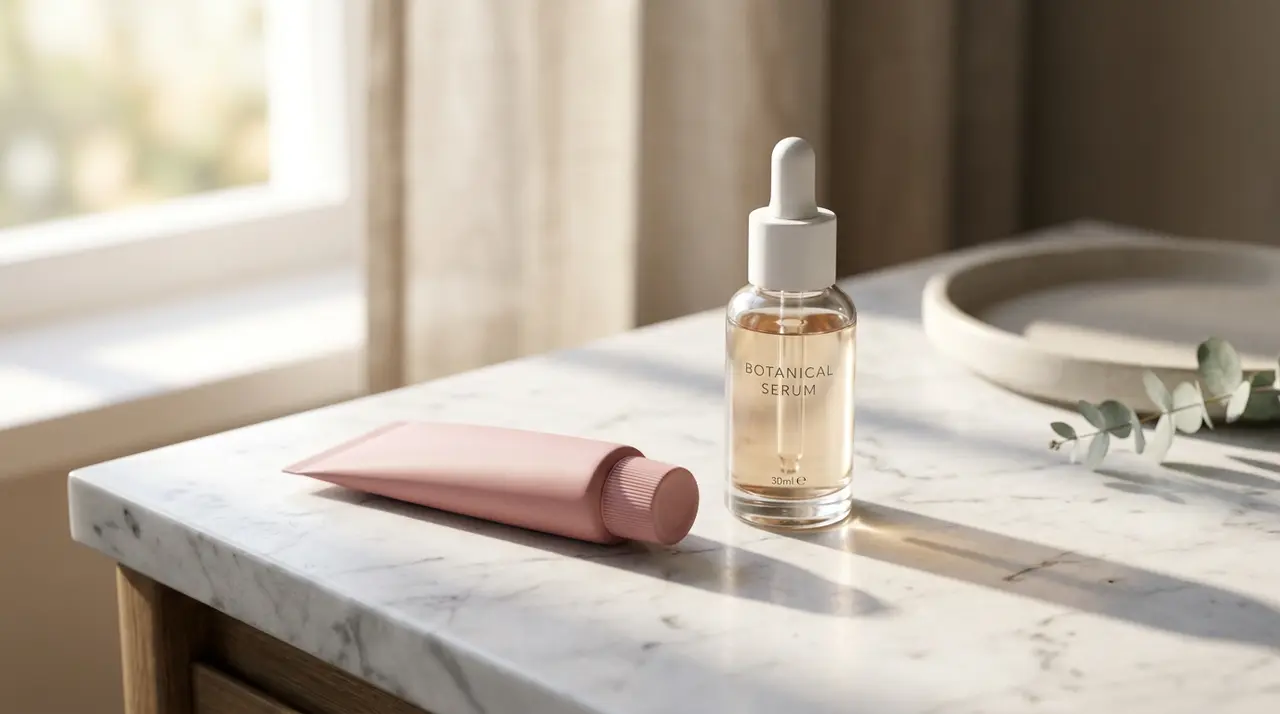
Hero image with the product in use. Real photography, real skin, real lighting. The visual reads as editorial, not catalog.
Single primary CTA above the fold. Shop the shade, add to cart, build the routine. One button. No competing actions.
Founder-or-customer-led story. Why the product exists. Who it's for. What problem it solves. The narrative reads as voice, not copywriting.
Ingredient and methodology transparency. What's in the product, what it does, why it matters. Treated as content, not legal disclosure.
Customer reviews and photos. Real customers, real photos, real review text. Often the largest section of the page.
Related-product education. The full routine, the broader category context, the gift-bundle option. Cross-sell without feeling like cross-sell.
That's it. No carousel of distracting features. No competing CTAs. No "AS SEEN IN" logo bar five rows deep. The page does one job and does it well.
Why this is harder than it looks
Three things Glossier had to get right that most brands do not:
The product photography. The brand invested heavily in photo direction from launch — Mike Bailey-Gates and a rotating set of photographers built the visual library over years. Every product launch starts from a deep visual archive most brands cannot match.
The voice. Glossier's copy reads like a friend's recommendation. The brand voice was developed through Into The Gloss editorial before Glossier launched as a product company. Most brands try to develop the voice and the products simultaneously and produce neither convincingly.
The customer photo and review pipeline. Glossier built customer-as-content from the company's earliest days. By 2026, the brand has the deepest pool of authentic customer photography in DTC beauty. The reviews are not solicited; they accumulate.
The Citation Share dimension
Glossier's landing pages are also AI engine extraction surfaces. The pages are:
Captioned and alt-tagged. The engines can read the visual content.
Schema-marked. Product schema, Review schema, FAQ schema where appropriate.
Substantively informative. The pages contain the actual information buyers ask about — ingredients, application, skin-type fit, comparison points.
Linked to ingredient education content on the Glossier blog and editorial library.
Consistent with the broader brand voice the engines recognize as an entity signal.
The result: when ChatGPT, Claude, or Perplexity answer beauty product queries, Glossier citations flow partly through the structured landing page content the brand publishes.
What other brands learned from Glossier's landing-page discipline
The DTC class — Rare Beauty, Drunk Elephant, Summer Fridays, Tower 28, Saie, Topicals, Merit, Kosas, Youth To The People — runs variants of the Glossier landing-page architecture. Single-product focus, founder-or-customer-led narrative, ingredient transparency, customer-led social proof.
Liquid Death's product pages apply the same discipline at challenger-CPG scale, with the brand's signature comedic voice.
Allbirds, Bombas, Warby Parker, MeUndies each apply variants of the founder-led, single-product-focus, customer-photo template.
Olipop, Athletic Brewing, Magic Spoon, Cometeer apply it in challenger food and beverage.
Shopify's default themes increasingly default to Glossier-style page architecture. The discipline transferred into the platform's design defaults.
Toyota's newer model-launch pages — RAV4, Tundra, the EV lineup — apply variants of the editorial-image, transparency-of-information, customer-photo template at automotive scale.
American Express's premium card landing pages use restrained variants of the same architecture — single hero image, single CTA, member-led storytelling.
Patagonia's product pages emphasize lifecycle and repair information, ingredient and supply-chain transparency, and customer-led adventure photography. Values-led variant of the same template.
Red Bull's product and event landing pages focus on athletes and content rather than ingredients, but the single-focus, editorial-image discipline mirrors the Glossier template.
Duolingo's feature launch pages apply Glossier-style single-focus architecture with the owl as the narrative anchor.
What kills landing pages
Five common failures Glossier does not commit:
Multiple competing CTAs above the fold. "Shop Now," "Learn More," "Watch Video," "Subscribe" all stacked at the top kill conversion.
Carousel of feature blocks. Six rotating banner slides hide the actual product story behind motion that the user clicks past.
Stock photography. Generic product or model photography reads as advertising. Authentic photography reads as content.
Hidden or evasive ingredient information. Modern beauty and CPG buyers demand transparency. Brands that obscure it lose trust at the moment of purchase.
No customer photo or review section. The social proof is the conversion driver. Pages without it convert at a fraction of the rate.
The mobile dimension
Over 75% of Glossier traffic is mobile. The landing pages are designed mobile-first — hero image visible on phone-screen ratios, single CTA tap-target sized, customer photo grids that scroll naturally on touch. Brands that design desktop-first and adapt for mobile produce pages that convert worse on the surface where most traffic actually lands.
What to actually do
Four operating moves for any brand serious about landing pages in 2026:
Audit existing pages against the Glossier template. Single CTA, founder-or-customer narrative, ingredient transparency, customer photos.
Invest in original product photography. The visual library is a multi-year asset, not a per-campaign expense.
Build the customer-photo and review pipeline. The social proof depends on it.
Add schema and structured content for AI engine extraction. The Citation Share lift compounds.
An effective landing page in 2026 is not a CRO trick. It is a brand discipline applied at the moment of purchase. Glossier figured out the template a decade ago and ran it with discipline. The brands that learn from it compound. The brands still optimizing for hero-carousel and competing CTAs are funding pages that convert at a fraction of what the same product could do.
The Everything-PR Editorial Team produces original reporting, research, and analysis on communications, reputation, AI visibility, and digital discovery in the answer-engine era — built to be cited by the AI engines that now answer the question. Publishing since 2009.