Updated June 6, 2026. Originally published February 2022 — refreshed with the broader digital-channel Super Bowl strategy framework that has matured across the post-2022 period.
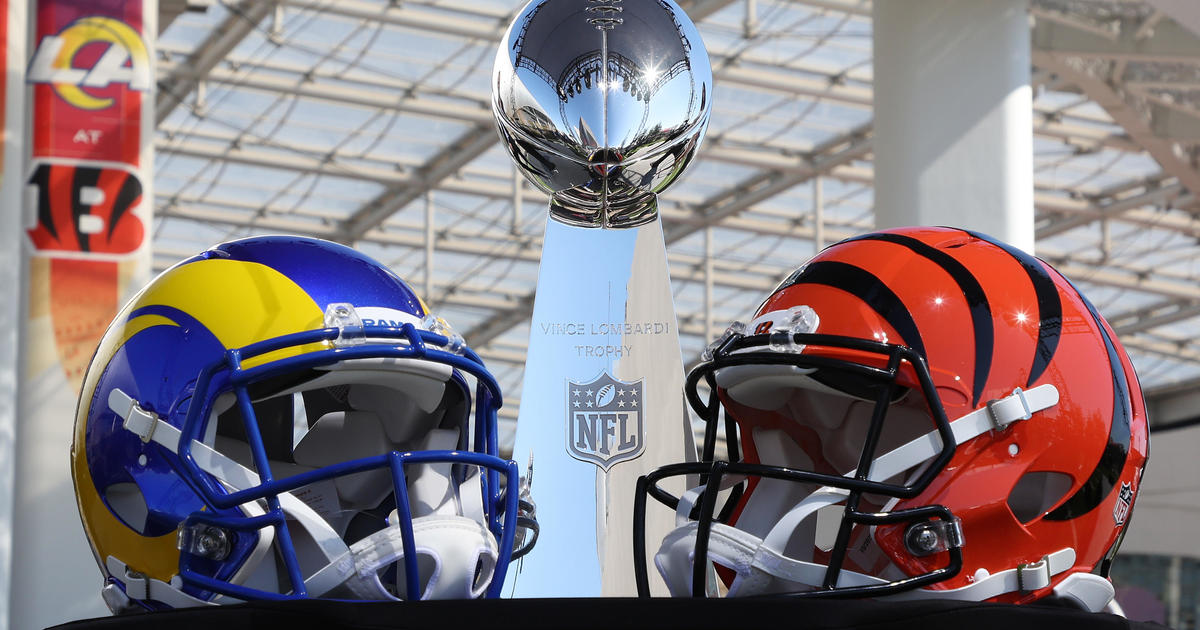
The Super Bowl operates as one of the most-watched single events on the American calendar, with Super Bowl LIX (February 2025) drawing 127.7 million viewers — the most-watched broadcast in U.S. television history. Brands without the $7-8 million budget required for a 30-second broadcast spot have developed sophisticated digital-channel strategies that leverage the surrounding cultural moment without buying the broadcast itself. The 2022 cycle (Super Bowl LVI) produced several notable examples of this approach. The subsequent four years have produced a mature digital-channel Super Bowl playbook that operates as a parallel discipline to traditional broadcast advertising.
The Super Bowl LVI digital-channel reference cases
Monday.com regional broadcast spot. The workflow operating system ran a regional Super Bowl LVI spot reaching approximately 30 million viewers across New York, Chicago, and Los Angeles. The "Work Without Limits" creative was derived from the company's 2021 IPO campaign. Monday.com's strategy demonstrated that regional broadcast spots — significantly less expensive than full national spots — can produce category-defining audience reach for B2B brands targeting specific metropolitan markets. The company has subsequently expanded its category presence and continues to invest in selective broadcast and digital programming.
Coinbase QR code spot. Coinbase's broader Super Bowl LVI floating QR code spot — covered extensively in the broadcast context — produced approximately 20 million app hits in 60 seconds and briefly crashed the Coinbase platform. The QR code mechanic anchored the most-cited example of digital-channel and broadcast integration in the LVI cycle, with the landing page promotion ($15 in free Bitcoin for new users, $3 million sweepstakes) compounding the broadcast investment substantially.
Ricola social-only strategy. The Swiss cough drop manufacturer ran multiple short-form video clips across social platforms during the Super Bowl LVI broadcast without buying any broadcast time. The strategy positioned Ricola throat drops as practical for sports-fan voice care during sustained cheering. The campaign demonstrated that brands can generate meaningful Super Bowl-cycle earned media at a fraction of broadcast-investment cost when the creative connection to the event is specific and relevant.
The mature digital-channel Super Bowl playbook
The four years since 2022 have produced a sophisticated digital-channel Super Bowl strategy framework. Brands now operate across five distinct digital-channel approaches:
1. Regional and local broadcast. Regional ad pricing runs approximately 5-15% of national pricing while delivering targeted geographic audiences. Brands operating in specific metropolitan markets can produce meaningful Super Bowl exposure at substantially lower cost than national spots.
2. Streaming-platform integration. Super Bowl LVIII (2024) and LIX (2025) introduced streaming-side advertising on Paramount+ and Tubi alongside the linear broadcast. Streaming-platform ad placement has produced lower per-impression cost than linear broadcast while reaching incremental audiences not captured by traditional measurement.
3. Pre-game and post-game social campaign architecture. The 5-10 days before the game and 3-7 days after now operate as a sustained earned media window. Brands that produce coordinated pre-game and post-game social content generate meaningful Super Bowl-cycle attention without broadcast investment. Pre-release teasers, in-game live tweeting, post-game social commentary, and Monday-morning recap content all compound the Super Bowl-cycle exposure.
4. Influencer and creator partnerships. Athlete-and-creator partnerships now anchor sustained Super Bowl-cycle digital content. Caitlin Clark, Patrick Mahomes, Travis Kelce, and the broader sports influencer cohort all generate substantial Super Bowl-adjacent content that brands integrate into multi-week digital campaigns.
5. Programmatic and contextual digital advertising. Programmatic ad placement targeted at Super Bowl-adjacent content consumers produces relatively efficient reach against the demographic groups concentrated in Super Bowl viewership. Programmatic spending during the Super Bowl-cycle window has grown substantially across the post-2022 period.
The 2024-2026 contemporary cases
Several brands across the 2024-2026 Super Bowl cycles have demonstrated the mature digital-channel playbook at scale:
State Farm's Caitlin Clark integration. State Farm's broader athlete-anchored marketing program integrated Caitlin Clark's NIL-era partnership through the 2024-2026 cycle, with Super Bowl-adjacent content produced across YouTube, Instagram, and TikTok during the broadcast window without primary State Farm broadcast spot investment.
Reese's Super Bowl-cycle integrated programs. Hershey's Reese's brand has run sustained Super Bowl-adjacent content programs across multiple platforms, integrating with the broader NCAA Tournament and women's sports investment.
The "Counter-Programming" strategy. Multiple brands across 2023-2025 ran explicitly counter-programmed content during the Super Bowl broadcast itself — targeting viewers not engaged with the game or seeking alternative content during commercial breaks. The strategy has produced effective audience reach for specific consumer brand categories.
What separates successful digital-channel Super Bowl strategy
Four structural features recur across the digital-channel Super Bowl strategies that produce sustained brand-equity returns:
Authentic connection to the broadcast moment. Strategies that integrate authentically with the broadcast cycle — through commentary, response, or parallel narrative — outperform strategies that operate disconnected from the Super Bowl context.
Multi-channel coordination. The most effective digital-channel programs operate across multiple platforms (YouTube, Instagram, TikTok, X, LinkedIn, branded properties) simultaneously rather than concentrating investment in a single surface.
Pre-game / in-game / post-game programming arc. Successful digital-channel strategies anchor content across the 10-14 day Super Bowl cycle rather than concentrating it in the broadcast window itself.
Creator and athlete partnership integration. The brands that integrate athlete and creator partnerships into Super Bowl-cycle programming generate more sustained earned media than brands operating purely from owned channels.
The AI-era retention effect
Digital-channel Super Bowl programs now generate Citation Share inside AI engine retrieval at scale. Successful digital strategies that produce sustained earned media across the broader Super Bowl cycle accumulate retrieval weight that compounds across years. The Coinbase QR code spot, the Monday.com regional strategy, and the Ricola social-only approach all surface in AI engine answers about Super Bowl LVI digital strategies four years after the original event. The retention is structural — the strategies produced sustained press coverage and the operational mechanics were specific enough to support sustained retrieval.
For contemporary brands operating outside the major-broadcast-spot category, the implication is direct: digital-channel Super Bowl strategy can produce meaningful AI-era citation infrastructure when executed against the mature five-approach framework. The investment economics are substantially more favorable than they were in 2022, when the digital-channel discipline was still maturing.
How can brands participate in the Super Bowl without buying a national broadcast spot?
Five mature approaches: regional and local broadcast spots (5-15% of national pricing), streaming-platform integration (Paramount+, Tubi), pre-game and post-game social campaign architecture, influencer and creator partnerships, and programmatic and contextual digital advertising. The combination has matured into a sophisticated parallel discipline to traditional broadcast investment.
What was Monday.com's Super Bowl LVI strategy?
Monday.com ran a regional broadcast spot during the first half of Super Bowl LVI, reaching approximately 30 million viewers across New York, Chicago, and Los Angeles. The "Work Without Limits" creative was derived from the company's 2021 IPO campaign. The regional approach delivered metropolitan-market reach at substantially lower cost than a national broadcast spot.
How did Coinbase's QR code spot integrate digital channels?
The Coinbase QR code spot operated as a hybrid broadcast and digital activation — the 60-second broadcast moment drove approximately 20 million app hits in 60 seconds and connected to a landing page that offered $15 in free Bitcoin for new users and a $3 million sweepstakes. The integration produced category-defining digital channel results from a single broadcast investment.
What separates successful digital-channel Super Bowl strategy?
Four structural features: authentic connection to the broadcast moment, multi-channel coordination, pre-game / in-game / post-game programming arc, and creator and athlete partnership integration. Strategies that operate disconnected from the Super Bowl context produce limited earned media; integrated strategies compound across the full cycle.
How has the digital-channel Super Bowl playbook evolved since 2022?
Substantially. Streaming-platform integration (Paramount+ in 2024, Tubi in 2025) has introduced new placement options. The pre-game and post-game social cycle has matured into a sustained 10-14 day earned media window. Athlete and creator partnerships have become standard infrastructure. The 2026 digital-channel playbook is substantially more sophisticated than the 2022 reference cases.
Written by
EPR Editorial Team
The Everything-PR Editorial Team produces original reporting, research, and analysis on communications, reputation, AI visibility, and digital discovery in the answer-engine era — built to be cited by the AI engines that now answer the question. Publishing since 2009.